Former President Donald Trump has attributed recent visible deterioration of the Lincoln Memorial Reflecting Pool to “vandals” who allegedly gashed the structure. However, investigators and scientific reports indicate the issues stem from natural algae growth and aging paint, with the National Park Service planning to drain the pool for maintenance.
The discrepancy between political claims and environmental assessments has drawn attention to the maintenance of the National Mall. While Trump has suggested intentional destruction, no evidence has been produced to support the claim of “gashed” surfaces. Instead, reports from scientific and news organizations point toward long-term environmental factors and specific maintenance challenges common to historic water features.
What caused the reported damage to the Reflecting Pool?
While Donald Trump has characterized the state of the Reflecting Pool as the result of vandalism, multiple investigations suggest the visible issues are environmental. According to reporting by Scientific American, a primary concern for the site has been the peeling of paint from the pool’s surfaces. This degradation is a known issue in aging water structures where constant exposure to water and sunlight causes protective coatings to fail over time.
In addition to the peeling paint, biological factors are impacting the clarity of the water. NPR has reported that algae blooms have clouded the pool, a phenomenon that scientists say is expected under certain environmental conditions. Algae growth in large, shallow bodies of water is often driven by sunlight exposure and nutrient levels, rather than human interference.
The contrast between the two perspectives is summarized below:
| Feature | Trump’s Claim | Scientific/Official Finding |
|---|---|---|
| Primary Cause | Vandalism (“Gashing”) | Algae growth and paint degradation |
| Evidence Provided | None cited | Environmental and biological data |
| Visual Symptom | Physical structural damage | Cloudy water and peeling surfaces |
Why is the Lincoln Memorial Reflecting Pool being drained?
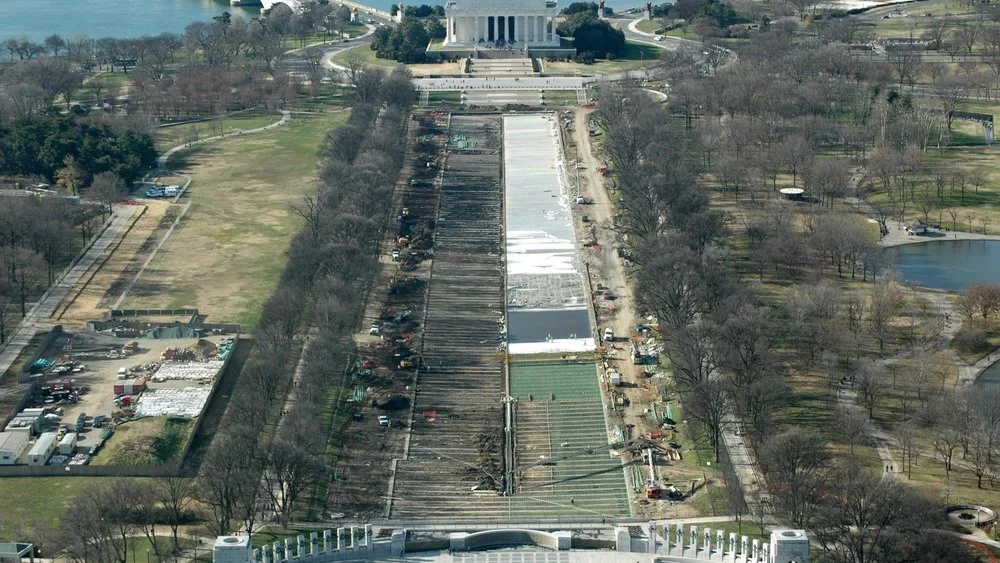
The decision to drain the Reflecting Pool is a move intended to address these ongoing maintenance issues. As reported by the BBC, the pool is scheduled to be drained to allow for necessary repairs and cleaning. This process is a standard part of the long-term preservation strategy for the National Mall’s historic monuments and water features.
.jpg?format=1000w "Why is the Lincoln Memorial Reflecting Pool being drained?")
Draining the pool allows maintenance crews to access the bottom and sides of the structure to scrape away algae and reapply protective coatings. This procedure is essential for preventing the very type of structural decay that can occur when paint layers fail and biological matter accumulates. The move follows a period of visible decline that has prompted both political commentary and scientific scrutiny.
Who was arrested in connection with the Reflecting Pool?
A separate incident involving the Reflecting Pool has resulted in a legal arrest, though it differs from the “vandalism” described by Trump. According to WUSA9, a man from Bethesda, Maryland, and a former Olympian, was arrested for taking paint from the Reflecting Pool.
While this incident involves the unauthorized removal of materials, it is characterized as a theft of paint rather than the “gashing” or physical destruction of the pool’s structure. Law enforcement officials have not linked this specific arrest to the broader claims of widespread vandalism or structural damage mentioned in recent political statements.
The distinction between the theft of materials and the intentional destruction of a national monument remains a key point of clarity for local law enforcement and park officials. The arrest highlights the need for increased security and oversight at the site, but it does not provide evidence for the claim that the pool has been physically gashed by vandals.
How do environmental factors affect historic water features?
The issues facing the Reflecting Pool are not unique to Washington, D.C. Large-scale historic pools face a constant battle against natural elements. The scientific community notes that several factors contribute to the degradation of such sites:

- Algae Proliferation: Sunlight and stagnant water conditions create ideal environments for algae, which can rapidly reduce water clarity.
- Coating Failure: Constant immersion in water, combined with temperature fluctuations, causes paint and sealants to lose adhesion, leading to peeling.
- Sediment Accumulation: Over time, organic matter settles at the bottom, requiring periodic draining and mechanical cleaning.
The Washington Post has noted that the lack of evidence regarding the “gashed” claims underscores the importance of distinguishing between political rhetoric and the technical realities of historic preservation. For the National Park Service, the focus remains on the logistical challenges of managing aging infrastructure in a high-traffic urban environment.
The next scheduled phase for the Reflecting Pool involves the commencement of the draining process and subsequent repair works. Official updates regarding the timeline for these maintenance activities are expected to be released through National Park Service communications.
What are your thoughts on the maintenance of national monuments? Share this article and join the conversation in the comments below.
Related reading