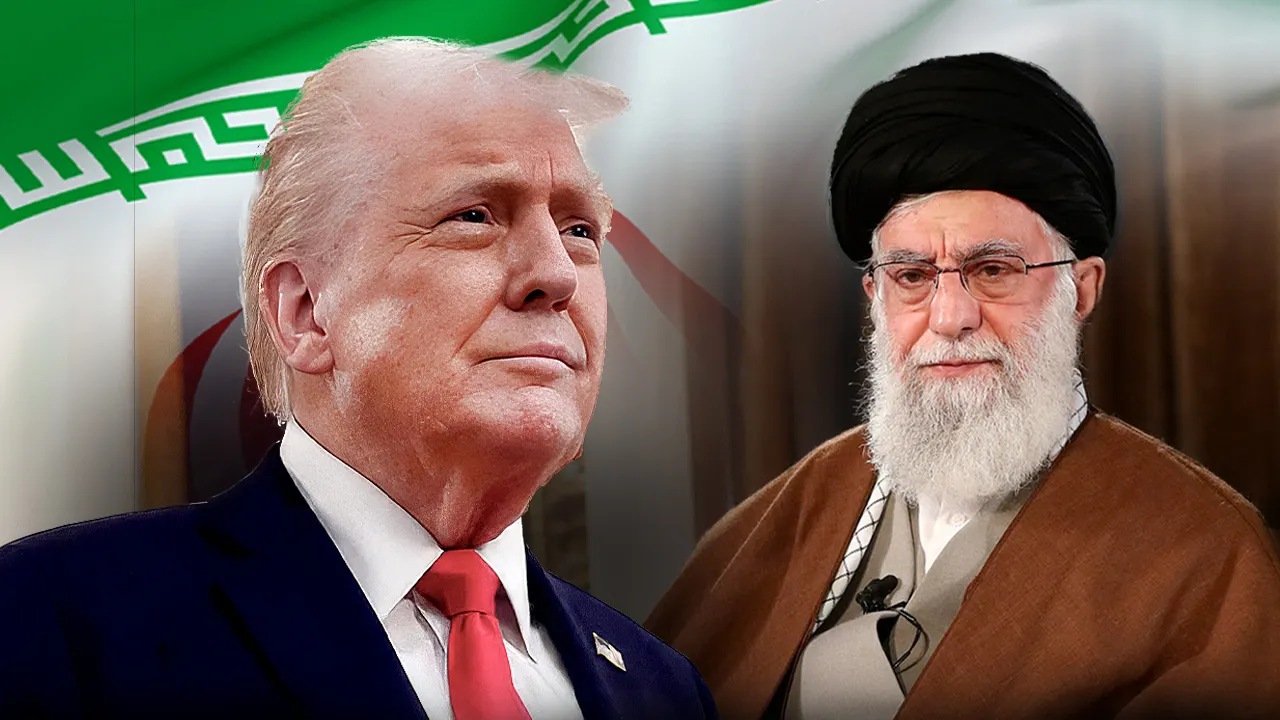
President Donald Trump has moved to bypass the U.S. Congress regarding the ongoing military conflict with Iran, asserting in a formal letter that hostilities have effectively terminated
. The move comes as the administration faces a critical legal deadline under the War Powers Resolution of 1973, which typically requires a president to seek congressional authorization for military operations exceeding 60 days.
The White House argues that a ceasefire, which began in early April, brought an end to active combat and therefore legally reset or ended the clock on the 60-day mandate. This interpretation allows the administration to maintain a significant U.S. Military presence in the region without the formal approval of lawmakers, a strategy that has sparked intense debate over the limits of executive power and the definition of active warfare.
The conflict, which began on February 28, 2026, reached its legal 60-day threshold on Friday, May 1, 2026. By declaring the hostilities finished, the administration effectively skirts the requirement to either withdraw American forces or obtain a legislative mandate to continue operations according to reporting by the Associated Press.
The Legal Pivot: Using the Ceasefire to Avoid Congress
The central tension of this diplomatic maneuver lies in the interpretation of the War Powers Resolution. Under this law, the president must notify Congress within 48 hours of initiating military action. This triggers a 60-day window; if Congress does not declare war or provide a specific authorization, the president is legally required to terminate the use of force.
The Trump administration, supported by Defense Secretary Pete Hegseth, contends that the ceasefire initiated on April 7, 2026, constitutes a termination of hostilities. In a letter sent to Congress, the administration asserted that because the ceasefire is in effect, the legal requirement for congressional approval no longer applies. This allows the U.S. To keep troops and assets deployed in the Middle East while claiming that the “war” phase of the conflict has concluded.
However, this claim is heavily contested by legal experts and opposition lawmakers. Critics argue that the continued presence of U.S. Armed forces and the ongoing nature of the geopolitical struggle indicate that hostilities have not truly ended, but are merely paused. They suggest that using a fragile ceasefire to bypass the constitutional role of Congress in declaring war sets a dangerous precedent for future conflicts.
The Timeline of Escalation and Pause
To understand the current legal standoff, it is necessary to look at the rapid sequence of events that led to this moment:
| Date | Event | Significance |
|---|---|---|
| February 28, 2026 | Conflict Initiation | U.S. Notifies Congress of the start of military operations against Iran. |
| April 7, 2026 | Ceasefire Agreement | A ceasefire begins following diplomatic interventions, including requests from Pakistani leadership. |
| April 30, 2026 | White House Notification | The administration informs Congress that hostilities have terminated. |
| May 1, 2026 | 60-Day Deadline | The legal window for unauthorized military action under the War Powers Resolution expires. |
Diplomatic Friction and the “Fragile” Peace
Despite the legal claim that hostilities are over, the diplomatic situation remains volatile. On Friday, May 1, President Trump stated he was not satisfied
with the latest peace proposal from Tehran, citing disjointed
leadership within the Iranian government as reported by the Associated Press.
The President indicated that while he prefers a negotiated deal over further military action, the U.S. Maintains several options
should the current ceasefire fail. This admission complicates the administration’s legal argument; if the President is still weighing military options and expressing dissatisfaction with peace terms, the claim that the conflict has “terminated” appears more as a legal technicality than a geopolitical reality.
The administration’s approach has seen mixed reactions on Capitol Hill. Many Republican lawmakers have chosen to defer to the President’s judgment, citing the demand for flexibility during a fragile ceasefire. Conversely, Democratic members of Congress have characterized the move as an attempt to govern by decree, ignoring the checks and balances intended to prevent unilateral presidential wars.
What In other words for Global Stability
The decision to bypass Congress has implications that extend beyond the borders of the United States. By redefining “hostilities” to include a ceasefire, the administration creates a loophole that could be used in other theaters of operation. For the international community, specifically in the Middle East, this suggests a U.S. Strategy of “permanent readiness”—where military assets remain deployed indefinitely under the guise of a terminated conflict.
The impact is felt most acutely in the surrounding region. The U.S. Continues to provide military support and hardware to allies, including the delivery of Patriot missiles to Qatar, as part of a broader strategy to contain Iranian influence. The ambiguity of whether the U.S. Is “at war” or “at peace” creates a precarious environment for regional actors who must navigate a ceasefire that the U.S. President describes as unsatisfactory.
Key Takeaways for the Global Audience
- Legal Loophole: The Trump administration is using the April 7 ceasefire to argue that the 60-day War Powers deadline is no longer applicable.
- Executive Power: This move represents a significant shift in how the U.S. Executive branch interprets the War Powers Resolution of 1973.
- Military Presence: Despite the claim that hostilities have ended, U.S. Forces remain deployed in the region.
- Diplomatic Tension: President Trump remains unsatisfied with Iran’s peace proposals, suggesting the ceasefire is a temporary pause rather than a permanent resolution.
Next Steps and Checkpoints
The immediate future of the U.S.-Iran relationship now hinges on the outcome of ongoing phone negotiations and the potential for a fresh, more comprehensive peace deal. The next critical checkpoint will be the formal response from the Senate and House Armed Services Committees regarding the administration’s letter, as well as any potential legal challenges brought by members of Congress to force a formal authorization vote.

As the world watches the fragile balance of power in the Middle East, the question remains: can a ceasefire truly terminate a war if the underlying grievances and military deployments remain unchanged?
World Today Journal encourages readers to share this report and join the conversation in the comments below. How should the balance between executive agility and legislative oversight be managed in modern warfare?
- Italy Considers Suspending Schengen Agreement for Ceuta
- France Expels Former RT France Head Xenia Fedorova Over National Security Threats
- The Congressional Review Act, Explained: How Congress Kills Federal Rules (daybreakwire.com)
- Sheriauna Haase Wins Gold as Canada Claims Six Medals at Commonwealth Games (archyworldys.com)