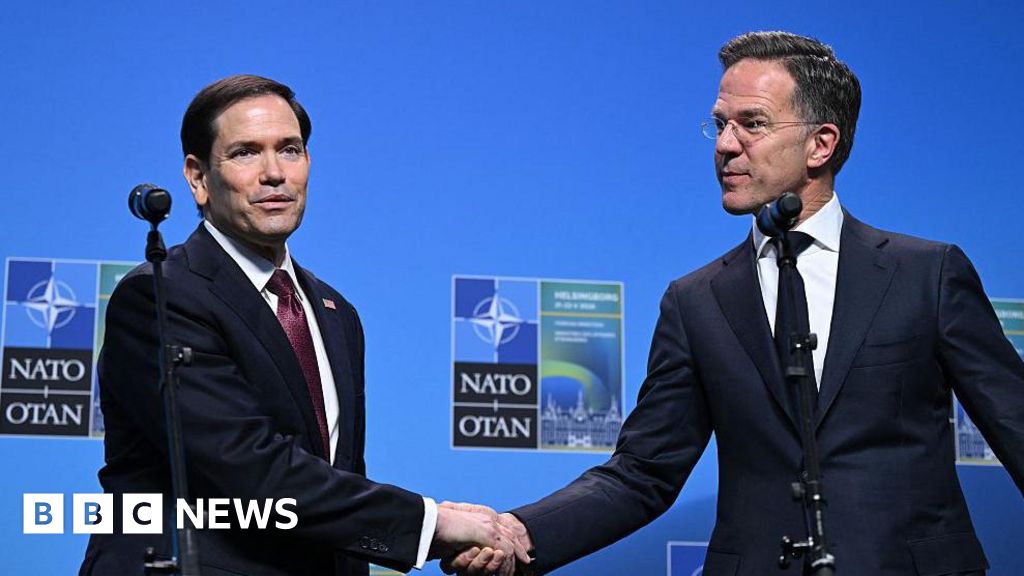
As the geopolitical landscape in Eastern Europe continues to evolve, the administration of President Donald Trump has introduced new ambiguity regarding its military posture in the region. Recent communications from the White House have indicated a desire to increase the number of U.S. Troops stationed in Poland, a move that follows the cancellation of a similar deployment just one week prior. This sequence of events has prompted questions among NATO allies regarding the consistency of American security commitments in the current climate.
The situation highlights the complex diplomatic balancing act currently underway, as the U.S. Seeks to project strength while navigating shifting internal policy priorities. For observers in Brussels and beyond, the primary concern remains how these fluctuating troop deployment plans impact the broader stability of the Atlantic alliance. As an editor, I have spent over 14 years tracking these shifts, and the current dynamic underscores the necessity of clear, stable communication between Washington and its European partners.
Shifting Strategic Priorities in Eastern Europe
The recent reports regarding the potential deployment of 5,000 additional troops to Poland have generated significant discourse within international security circles. While the administration has emphasized its commitment to regional defense, the rapid reversal of previous decisions—specifically the cancellation of a prior, similar deployment—has led to confusion. According to reporting by the Associated Press, this uncertainty has complicated the diplomatic environment, leaving allies to parse the intent behind these contradictory signals.
The strategic importance of Poland as a cornerstone of NATO’s eastern flank cannot be overstated. Since the first Trump administration, the U.S. Has invested heavily in rebuilding military capacity and strengthening ties with regional partners, as outlined in official White House administration records. However, the current hesitation suggests that domestic policy pressures and budgetary considerations may be influencing foreign policy decisions more heavily than in previous cycles.
The Role of Diplomatic Reassurance
For NATO members, the question is not just about the number of troops on the ground, but the reliability of the American security umbrella. During periods of regional tension, the predictability of U.S. Military movements acts as a primary deterrent. When that predictability is compromised by fluctuating orders, it can create a vacuum that other regional actors may attempt to fill or exploit.
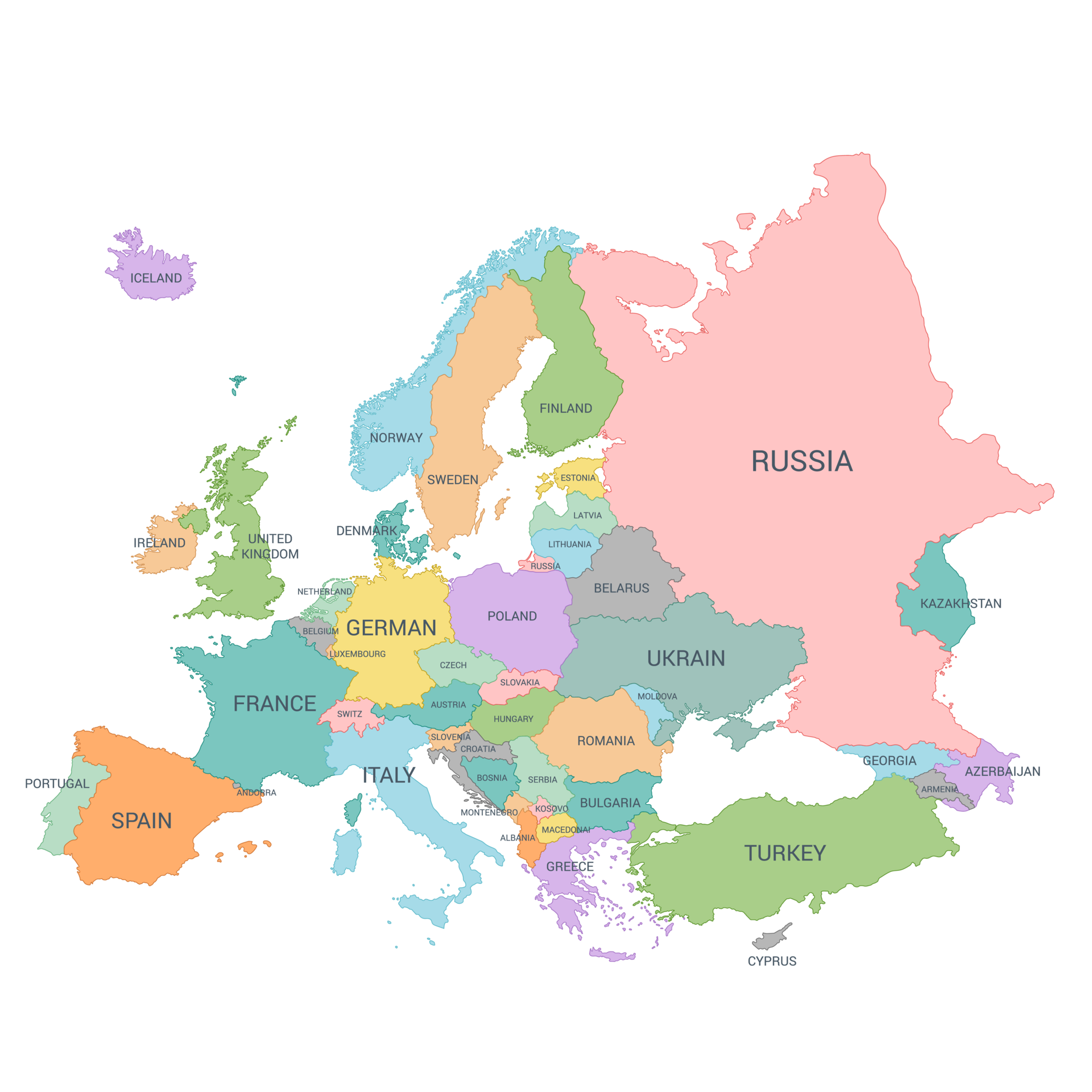
Diplomatic efforts are now focused on clarifying these commitments. Officials are tasked with proving that the U.S. Remains dedicated to the collective defense mandates of the North Atlantic Treaty. The challenge for the current administration is to reconcile its “America First” policy framework with the practical, often demanding, requirements of maintaining a global alliance structure that has defined Western security for decades.
What Lies Ahead for NATO Relations
The coming weeks will be critical for determining the trajectory of these deployments. Observers are looking for concrete, consistent directives from the Pentagon and the White House to replace the current atmosphere of speculation. The ambiguity surrounding the 5,000-troop figure must be addressed through formal military-to-military channels if the administration hopes to restore confidence among its European counterparts.
the broader context of U.S. Foreign policy—including the focus on reducing overseas military commitments—remains a major factor. The administration’s stated goal of “putting a stop to endless wars” continues to serve as a guiding principle, even as it creates tension with traditional allies who view increased U.S. Presence as essential for peace in Europe. Reconciling these two opposing objectives will require a level of diplomatic precision that has yet to be fully demonstrated in this current cycle.
Key Takeaways for Global Observers
- Consistency Concerns: The rapid shift between cancelling and proposing deployments has created a perception of instability regarding U.S. Regional strategy.
- Strategic Importance: Poland remains a pivotal site for NATO operations, making any change in troop levels a matter of significant geopolitical sensitivity.
- Diplomatic Impact: Allies are currently seeking clarity on the long-term intent behind these contradictory announcements to better align their own defense planning.
As we monitor this developing story, we will continue to look for official updates from the Department of Defense and the White House press office. The next major checkpoint for these discussions will likely occur during the upcoming NATO summit meetings, where member states are expected to press for a more definitive roadmap regarding troop rotations and long-term security guarantees. We invite our readers to share their perspectives on how these developments might impact the future of the Atlantic alliance in the comments section below.

Worth a look