Minnesota‘s Vibrant Immigrant Community & the Urgent Need to Counter Anti-Somali Rhetoric
The story of America is,fundamentally,an immigrant story. Beyond the tragic history of forced enslavement of African Americans, nearly every American family traces its roots to somewhere else. This truth is powerfully embodied in states like Minnesota, a place experiencing a remarkable surge in diversity and grappling with the challenges that come with it. Recent inflammatory rhetoric directed towards the Somali-American community, however, demands a response rooted in understanding, empathy, and a firm commitment to justice.
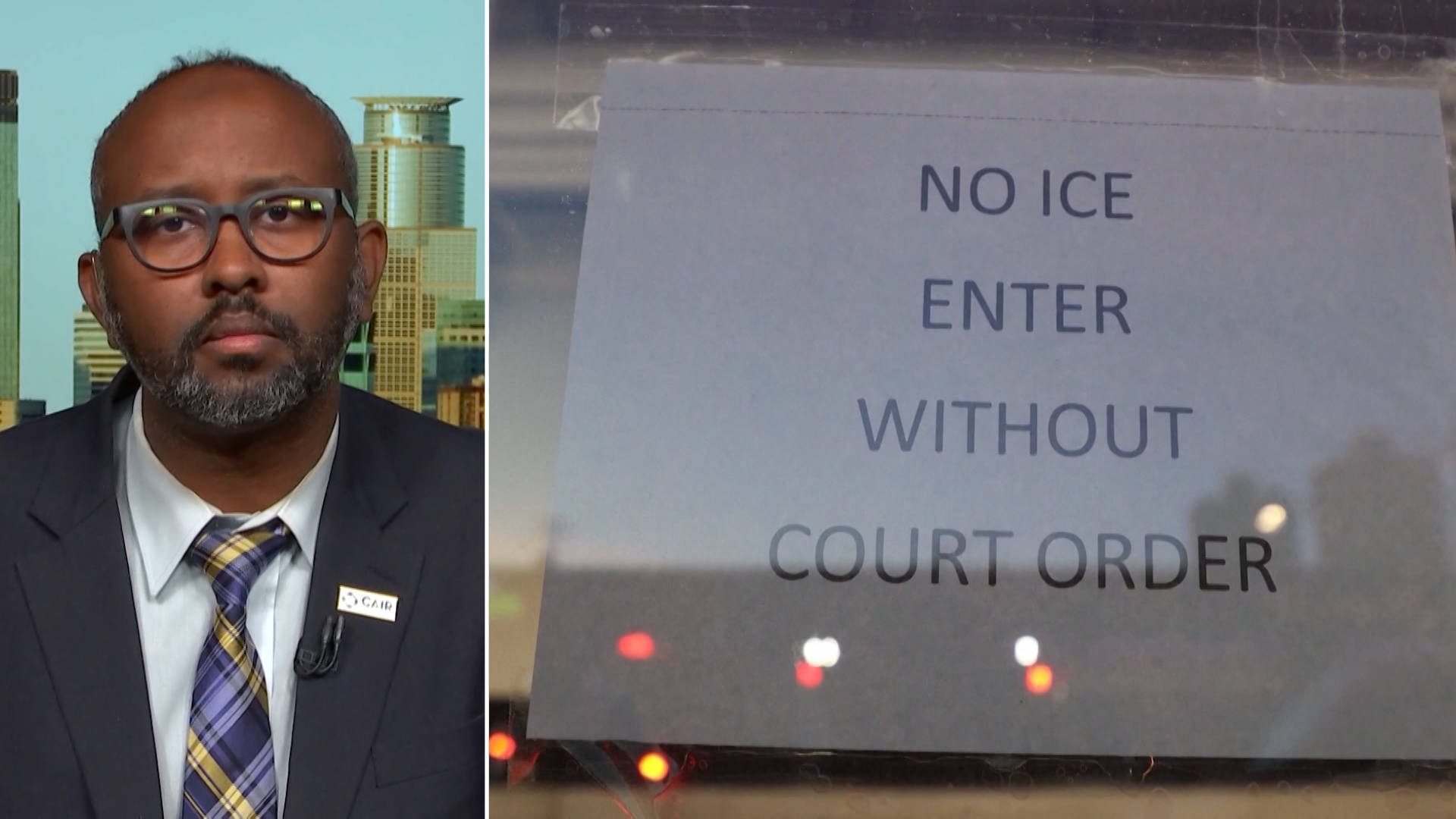
As Jaylani Hussein, executive Director of CAIR-Minnesota (Council on American-Islamic Relations), recently highlighted, Minnesota’s immigrant landscape is exceptionally rich. While the state is well-known for its significant somali population, it’s also home to thriving communities from Laos, the Hmong people, and a growing number of individuals from across Latin America and South America. This influx of cultures is actively shaping Minnesota’s identity, enriching its cuisine, traditions, and overall vibrancy – a reality readily apparent to anyone who has spent time in the twin Cities.
But this positive evolution is currently under threat. The recent statements made by political leaders have sparked understandable fear and outrage. Hussein eloquently points out the inherent wrongness of demonizing an entire community based on the actions of a few.This tactic – using isolated incidents of crime to paint an entire group with a broad brush – is a deeply troubling and historically repeated pattern. It’s a strategy that has demonstrably contributed to the disproportionate mass incarceration of people of color, despite the fact that crime itself doesn’t discriminate based on race or ethnicity.
The current situation demands a multi-faceted response. Hussein rightly calls on all citizens, particularly those in Minnesota and across the nation, to actively speak out against this harmful rhetoric. He notes encouraging signs of support, including statements from Republicans, faith leaders, and community members.A national day of action was called for on December 13th, urging people to stand in solidarity with Somali Americans and all immigrants.
Moreover, Hussein raises a critical and frequently enough overlooked point: the potential for intentional disinformation campaigns. He suggests that some of the online hatred directed towards the Somali community may be fueled by actors working on behalf of foreign governments. This assertion underscores the need for thorough examination and, if substantiated, for these individuals to be held accountable under existing laws requiring registration for foreign agents.
The call for empathy extends even to those in positions of power. Hussein directly appeals to Melania Trump, herself an immigrant, to leverage her personal experience and possibly influence a shift in perspective within the White House. This plea isn’t simply about political maneuvering; it’s about appealing to a shared understanding of the immigrant experience and the challenges of building a new life in a new country.
Ultimately, the situation in Minnesota serves as a microcosm of a larger national struggle.It’s a moment for reflection, for courage, and for a renewed commitment to the principles of inclusivity and justice. It’s a reminder that the strength of the United States lies in its diversity, and that protecting the rights and dignity of all its residents – regardless of their origin – is not just a moral imperative, but a cornerstone of its continued success.
This situation demands action. Here are some ways to get involved:
* Contact your elected officials: Express your concerns about anti-immigrant rhetoric and demand policies that promote inclusivity.
* Support organizations like CAIR-Minnesota: Donate your time or resources to groups working to defend civil rights and advocate for immigrant communities. (https://www.cair-mn.org/)
* Challenge misinformation: Be critical of the facts you consume and share, and actively counter false narratives.
* Engage in dialogue: Seek opportunities to learn from and connect with people from different backgrounds.
This is a pivotal moment. the story of the immigrant community is the story of America, and it’s a story we must continue to tell – a story of hope, resilience, and the ongoing pursuit of a more perfect union.
- Milan Stock Market Today: Piazza Affari Closes Sharply Higher Led by Banking Stocks
- Top 25 Construction Companies: Les Affaires & Portail Constructo
- Trump Slams Iran’s Duplicity and Warns Blockade Will Remain Amid Stalled Talks (world-today-news.com)
- Detroit’s Top Industry and Community Leaders Honored (news-usa.today)