President Donald Trump has signaled a potential shift in U.S.-Iran relations, stating that a peace deal is nearing finalization while simultaneously confirming the cancellation of planned military strikes. The announcement follows a period of heightened geopolitical tension in the Middle East, with the President indicating that formal agreements could be signed in the coming days. According to reports from the White House and official statements regarding foreign policy, the administration is currently prioritizing diplomatic channels over direct kinetic intervention.
This development comes as regional mediators report progress in de-escalation efforts, though the exact terms of any proposed agreement remain subject to final verification. For global observers and markets, the move represents a departure from the recent pattern of tit-for-tat military signaling. The administration maintains that while military options remain available, the current focus is on securing a stable, long-term framework for regional security.
Status of Diplomatic Negotiations
The core of the current diplomatic push involves a series of back-channel communications aimed at stabilizing the Persian Gulf region. While the President has expressed optimism regarding an imminent signing, the U.S. Department of State has emphasized that any deal must address long-standing concerns regarding nuclear proliferation and regional proxy activities. Mediators working in the region, including representatives from Oman and Qatar, have facilitated these discussions, attempting to bridge the gap between Washington’s demands for transparency and Tehran’s calls for the lifting of economic sanctions.
The complexity of these negotiations is compounded by the involvement of multiple stakeholders, each with distinct security interests. Analysts note that the shift from military posturing to direct negotiation is a standard, if volatile, feature of the current administration’s “maximum pressure” strategy. As of this week, officials have not released a draft text, meaning the public remains reliant on statements from the President and his senior advisors to gauge the true progress of the talks.
Military Posture and Strategic Restraint
The decision to cancel planned strikes marks a pause in what had been an escalating cycle of military activity. Throughout the current calendar year, the U.S. military has maintained a significant presence in the region, conducting periodic operations designed to deter what the Department of Defense describes as Iranian-backed aggression. The cancellation of these specific strikes, which had been previously authorized by the President, reflects a strategic calculation that the potential for a diplomatic breakthrough outweighs the immediate tactical benefits of a limited strike.
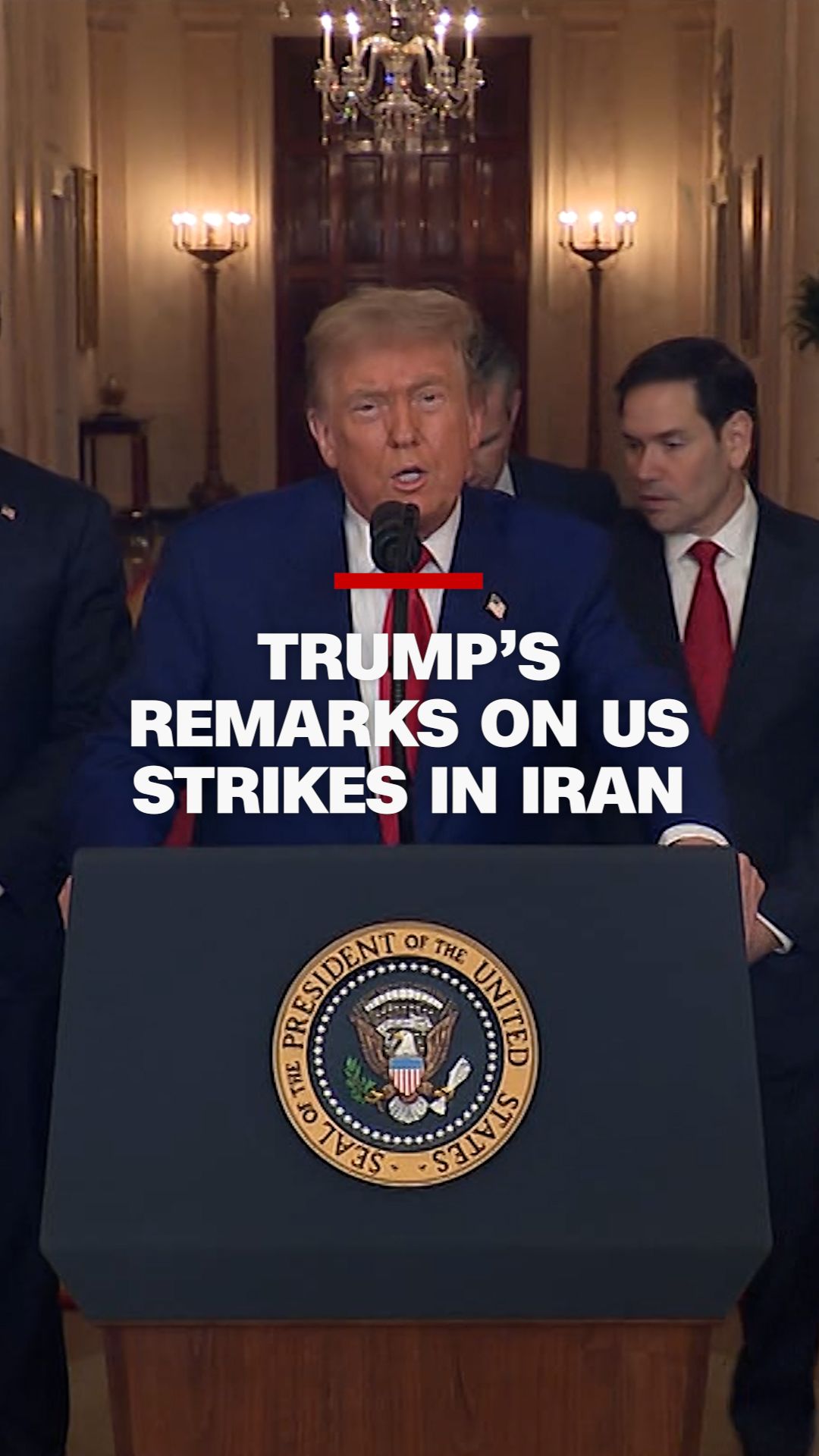
Defense experts caution that such pauses are often temporary. Historically, the U.S. has utilized the threat of force to create leverage at the negotiating table. The current situation remains fluid, and the military remains at a heightened state of readiness to respond to any sudden shifts in Iranian military positioning or regional provocations. Any future military action would likely be coordinated with regional allies to ensure a unified front against potential threats.
What Happens Next in the Region
The immediate focus for international observers is the “finalization” phase mentioned by the President. This process typically involves a review of the proposed terms by legal teams and foreign ministry officials on both sides. Should a deal be reached, it would likely require a series of confidence-building measures, such as the release of detainees or the verified suspension of specific military activities, before any formal signing ceremony takes place. The United Nations Security Council is expected to monitor these developments closely, as any agreement would have significant implications for international non-proliferation treaties.
For the average citizen, the primary indicator of success will be a reduction in regional military rhetoric and a stabilization of oil prices, which have historically fluctuated in response to tensions in the Strait of Hormuz. The next major checkpoint will be a scheduled briefing by the National Security Council, where officials are expected to provide more concrete details regarding the timeline for the anticipated agreement. Readers interested in the latest official updates are encouraged to monitor the White House Briefing Room for real-time announcements.
We invite readers to share their perspectives on these developments in the comments section below. How do you view the shift toward diplomacy in this context? Join the conversation to discuss the broader implications for global stability.
Related reading