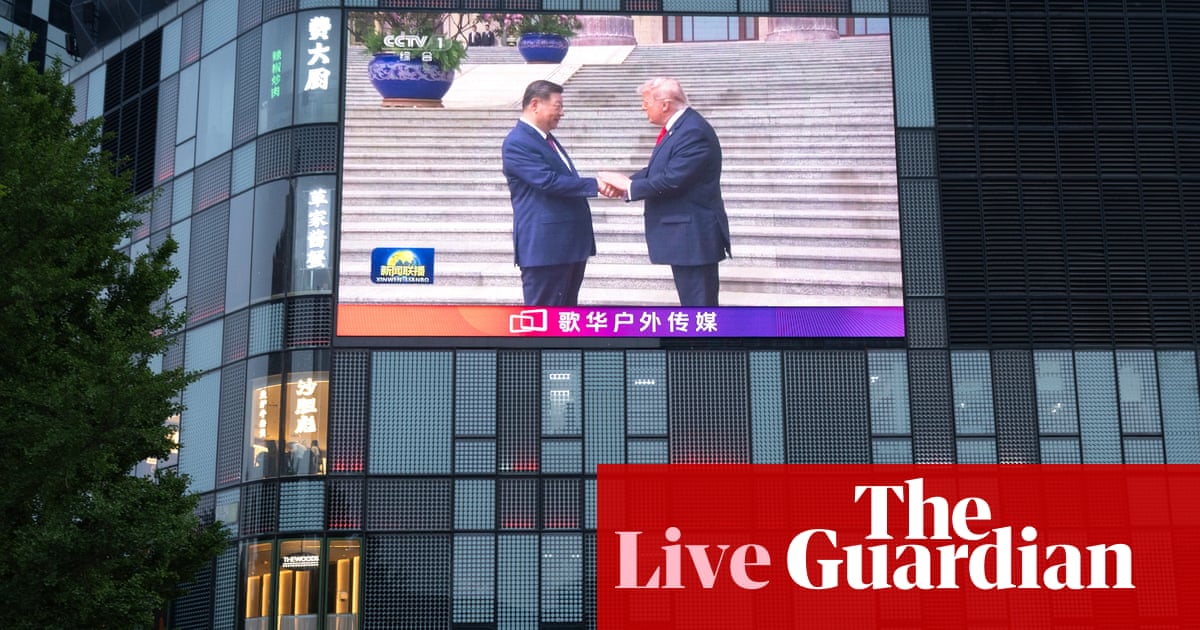
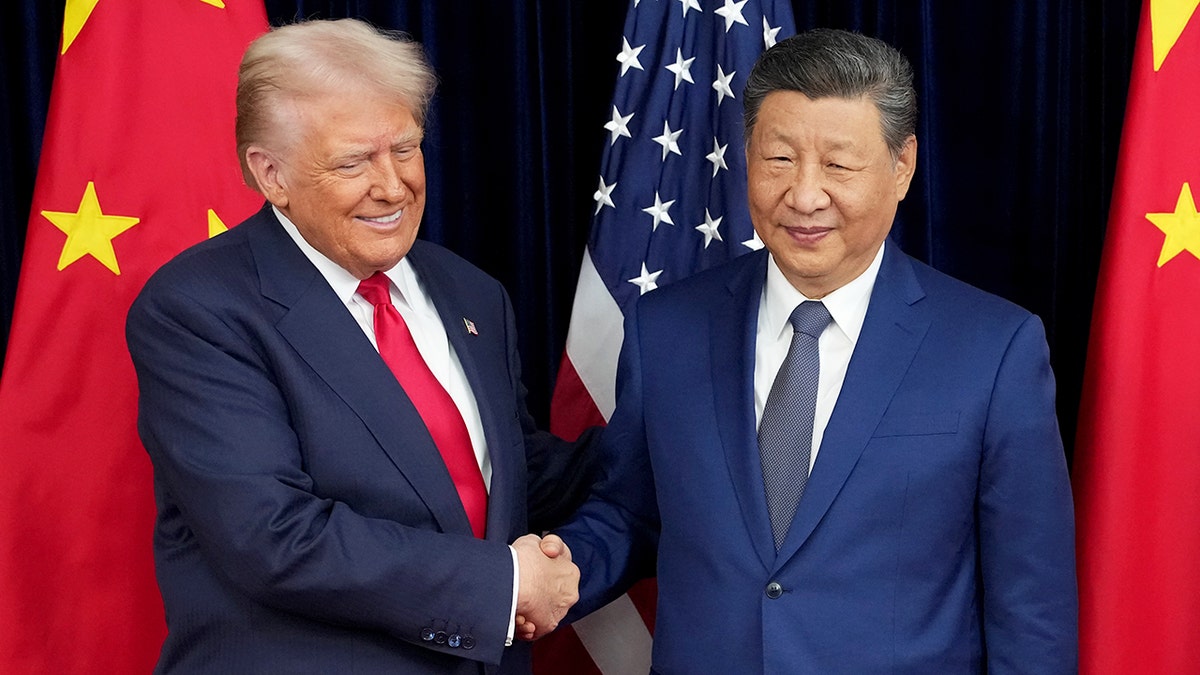
BEIJING — As the high-stakes bilateral summit between U.S. President Donald Trump and Chinese President Xi Jinping enters its final stages, a sense of cautious pragmatism is beginning to emerge from the diplomatic corridors of Beijing. While deep-seated tensions over semiconductor technology and the status of Taiwan continue to shadow the relationship, new indications suggest that both Washington and Beijing may be seeking common ground on critical matters of global energy security and regional stability.
In a significant development following the recent meetings, U.S. Officials have suggested that China is adopting a “very pragmatic” stance regarding the ongoing conflict involving Iran. This shift appears aimed at avoiding entanglement in a broader regional crisis, with both nations signaling a shared interest in maintaining stability in the Middle East—specifically concerning the vital maritime corridors that underpin the global economy.
The discussions have highlighted a rare alignment of interests regarding the Strait of Hormuz. According to U.S. Trade Representative Jamieson Greer, the openness of this critical waterway is a priority for Beijing. The emphasis remains on ensuring the Strait remains free of “tolling” or restrictive “military control,” a stance that aligns with U.S. Interests in maintaining unhindered global trade flows and stable energy markets.
Regional Stability: The Strait of Hormuz and the Iranian Factor
For the Trump administration, the prospect of Chinese cooperation in de-escalating tensions in the Middle East represents a potential diplomatic breakthrough. U.S. Officials have expressed confidence that Beijing will move to limit material support for Iran, driven by a desire to avoid being perceived as being on the “wrong side” of a potentially explosive conflict. This pragmatic approach is seen as a strategic move by President Xi to protect China’s own economic interests, which are heavily tied to global maritime stability.
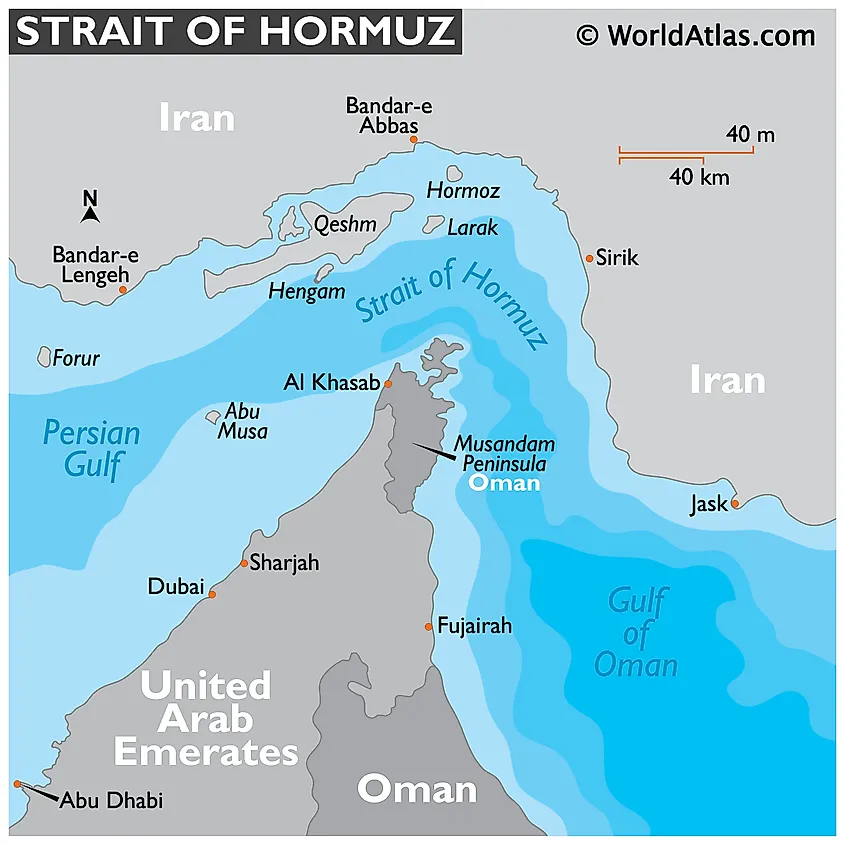
The importance of the Strait of Hormuz cannot be overstated. As a primary artery for the world’s oil supply, any disruption to the flow of tankers through the Strait carries immediate and severe implications for global inflation, energy costs, and market volatility. By advocating for a transparent and militarily neutral passage, China is signaling that its economic imperatives—namely the secure transit of energy resources—outweigh its traditional geopolitical alignments in the region.
While the U.S. Government has noted China’s significant role in the Iranian energy market, the current diplomatic temperature suggests a pivot toward mediation rather than provocation. This “pragmatism” is viewed by Washington as a sign that both superpowers recognize the catastrophic economic costs of a wider war in the Middle East, which would undoubtedly destabilize the fragile recovery of global markets.
The Technology Divide: Semiconductor Controls and Nvidia
Despite the progress in regional security discussions, the “tech war” remains the most significant friction point in the bilateral relationship. A major question hanging over the Beijing summit has been whether the administration would offer concessions regarding U.S. Export controls on advanced semiconductor chips. However, USTR Jamieson Greer has clarified that these controls were not a primary focus of the recent bilateral meetings.
The absence of a breakthrough on high-end AI hardware is particularly notable given the high-profile presence of industry leaders on the presidential delegation. Nvidia CEO Jensen Huang accompanied President Trump on the trip to China, fueling speculation that a deal regarding the sale of advanced chips might be on the horizon. Nevertheless, current reports suggest that a resolution remains elusive.
Specifically, the status of Nvidia’s advanced H200 chips remains a point of contention. While the tech industry has been closely watching for any sign of a relaxation in export restrictions, recent intelligence suggests that a breakthrough on selling these high-performance chips to China remains “far away.” This stalemate underscores the fundamental tension between the U.S. Government’s national security objectives—aimed at limiting China’s access to cutting-edge AI capabilities—and the commercial interests of American technology giants.
For global investors and the tech sector, this lack of progress signifies that the “chip war” is entering a protracted phase. The ongoing restrictions on semiconductor technology will continue to shape the competitive landscape of the artificial intelligence era, forcing Chinese firms to accelerate domestic development while American companies navigate a complex web of regulatory hurdles.
The Taiwan Shadow and Economic Uncertainty
The diplomatic optimism regarding Iran and the Strait of Hormuz stands in stark contrast to the underlying volatility surrounding Taiwan. During the summit, President Xi Jinping reportedly issued warnings regarding the potential for “clashes and even conflicts” between the U.S. And China over the sovereignty of Taiwan. This rhetoric serves as a sobering reminder of the existential risks that continue to define the relationship.
For the markets, the “Taiwan issue” represents the ultimate “black swan” event. Any escalation in the Taiwan Strait would not only disrupt the global supply chain—given Taiwan’s dominance in high-end chip manufacturing—but would also likely trigger a massive decoupling of the world’s two largest economies. While the current summit has focused on pragmatic de-escalation in other sectors, the fundamental disagreement over Taiwan remains unresolved and highly combustible.
The administration’s approach to Taiwan has been characterized by a delicate balance of deterrence and communication. Analysts note that while the leadership in Beijing is pushing for clarity on its red lines, the Trump administration is attempting to manage these tensions without committing to a level of confrontation that would jeopardize global economic stability.
Key Takeaways from the Beijing Summit
- Middle East Pragmatism: China is signaling a desire for stability in the Middle East, specifically supporting the open, unhindered passage of the Strait of Hormuz.
- Iran De-escalation: U.S. Officials express confidence that China will act to limit material support for Iran to avoid regional conflict.
- Tech Standoff Continues: Despite the presence of Nvidia leadership, no breakthroughs were reached regarding semiconductor export controls or the sale of H200 chips.
- Taiwan Tensions: Geopolitical risks remain high, with warnings from Beijing regarding potential conflicts over Taiwan sovereignty.
As the summit concludes, the global business community is left to parse whether this “pragmatism” is a lasting strategic shift or merely a tactical pause. While the alignment on maritime security offers a glimmer of hope for energy market stability, the unresolved battles over AI technology and regional sovereignty ensure that the U.S.-China relationship will remain the most watched and volatile dynamic in the global economy.
For further updates on the developing trade and technology policies following this summit, please monitor our official briefings.
Next Scheduled Update: Official White House briefing on the summary of bilateral agreements, expected within the next 48 hours.
What do you think about the potential for a “pragmatic” shift in U.S.-China relations? Share your thoughts in the comments below and share this article with your network.
Keep reading
- Palantir Stock Surges After Beating Earnings Expectations and Boosting Revenue
- World Bank Suspends Loans to Caribbean Country After Caracas Default
- China’s AI Sector Challenges US Rivals With High-Performance Models (archyworldys.com)
- BP Q2 Profit Hits $5.7 Billion Amid Trump Criticism of Big Oil Windfalls (time.news)