
Donald Trump has reportedly asserted that high-profile technology executives, including Meta’s Mark Zuckerberg and Amazon’s Jeff Bezos, sent him private messages expressing admiration or seeking favor during his political career. According to accounts detailed in the book Apprentice in Chief, written by journalists Maggie Haberman and Jonathan Swan, the former president has shared these claims with associates to illustrate his influence over the leaders of major digital platforms.
The reporting highlights a recurring theme in Trump’s political rhetoric: the assertion that powerful corporate figures, who have often been the subject of his public criticism, privately court his approval. These claims arrive as the relationship between the technology sector and federal regulators remains a central focus of U.S. political discourse, with ongoing debates regarding antitrust enforcement, platform moderation, and the influence of Big Tech on democratic processes.
The Context of Tech Industry Relations
The tech industry’s interaction with the federal government has been marked by a complex mix of lobbying and public tension. Both Mark Zuckerberg and Jeff Bezos have faced significant scrutiny from lawmakers on both sides of the aisle. According to the House Judiciary Committee’s 2020 report on competition in digital markets, major tech companies have been accused of exercising monopoly power, a claim that has led to multiple legal challenges, including antitrust lawsuits filed by the Department of Justice against industry giants.
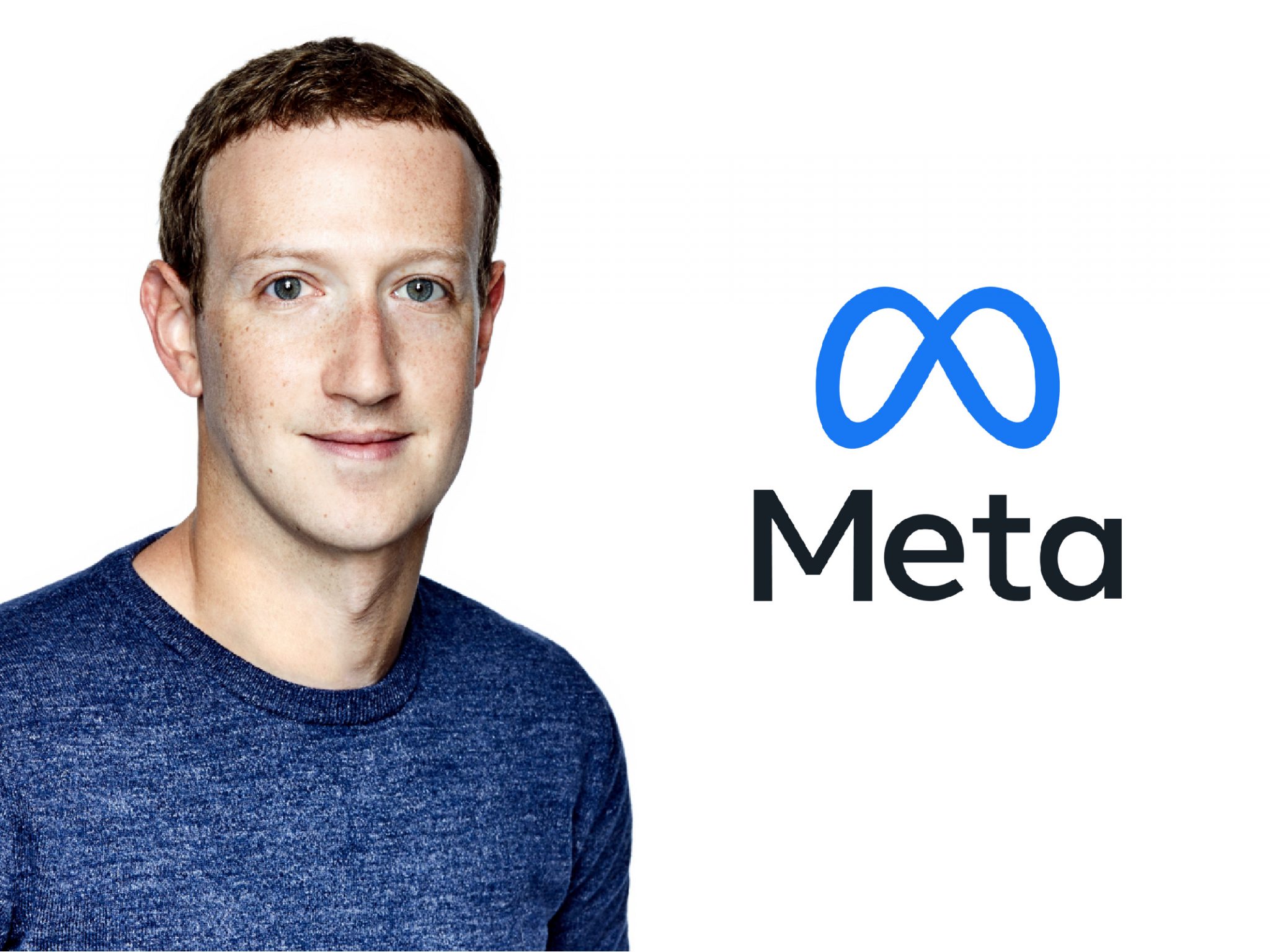
Trump’s reported comments regarding these executives serve to frame his personal authority as a counterweight to the institutional power of Silicon Valley. By suggesting that these leaders have sought his favor via text messaging, the former president aims to project a narrative of dominance over entities that are frequently viewed as hostile to his political movement. There has been no official comment from the offices of Mark Zuckerberg or Jeff Bezos regarding the specific claims made in the book.
Public Criticism Versus Private Communication
The dynamic between Trump and the leaders of companies like Meta and Amazon has historically been volatile. Trump has frequently used social media and rally stages to criticize Meta for its handling of political content and to attack Amazon, specifically targeting Bezos’s ownership of The Washington Post, which the former president has repeatedly labeled as biased. Despite this, records of private correspondence, if they exist, suggest a layered reality where public posturing does not always align with behind-the-scenes communication.

This dissonance is not uncommon in high-stakes political and corporate maneuvering. As noted by the Pew Research Center, public trust in technology companies remains a significant variable in American politics, with voters consistently expressing concerns about how these platforms influence public opinion and economic competition. The reliance on private digital communication to navigate these tensions highlights the informal nature of influence in Washington, often occurring outside the view of formal lobbying disclosures.
Regulatory Implications and Future Oversight
While the claims regarding private texts remain anecdotal, they underscore the broader issue of how corporate leaders attempt to insulate their businesses from potential regulatory blowback. Federal agencies, including the Federal Trade Commission (FTC), have intensified their oversight of large-scale technology firms, citing concerns over market dominance and consumer protection. For many observers, the question is not whether these executives communicate with political leaders, but how such communication impacts the legislative and regulatory environment.
The intersection of political power and corporate interest will likely remain a focal point as the U.S. approaches future election cycles. With ongoing litigation and the possibility of new legislative frameworks governing data privacy and artificial intelligence, the stakes for both the tech industry and the political establishment are substantial. Observers are now looking toward upcoming congressional hearings and potential judicial rulings in ongoing antitrust cases to gauge the extent to which the current regulatory climate may shift.

As the political landscape continues to evolve, the veracity of claims regarding private interactions between political figures and corporate titans will likely continue to be a subject of intense scrutiny. Readers interested in the official status of ongoing antitrust investigations can monitor updates through the Department of Justice Antitrust Division website.
Jonathan Reed is an editor covering international affairs and political developments for World Today Journal. Based in London, he focuses on the intersection of policy, corporate influence, and global governance.
Worth a look
- Colombia Comptroller Election 2024: Candidates, Political Battles, and Disinformation Scandals
- West Florida Argonauts vs. North Alabama Lions: Sofascore Community Predictions
- Sam Newman Criticized Over Carr Rape Claims (archyde.com)
- Google Pixel Watch 5 Leaks Reveal 64 GB Storage and August Launch (archyworldys.com)