
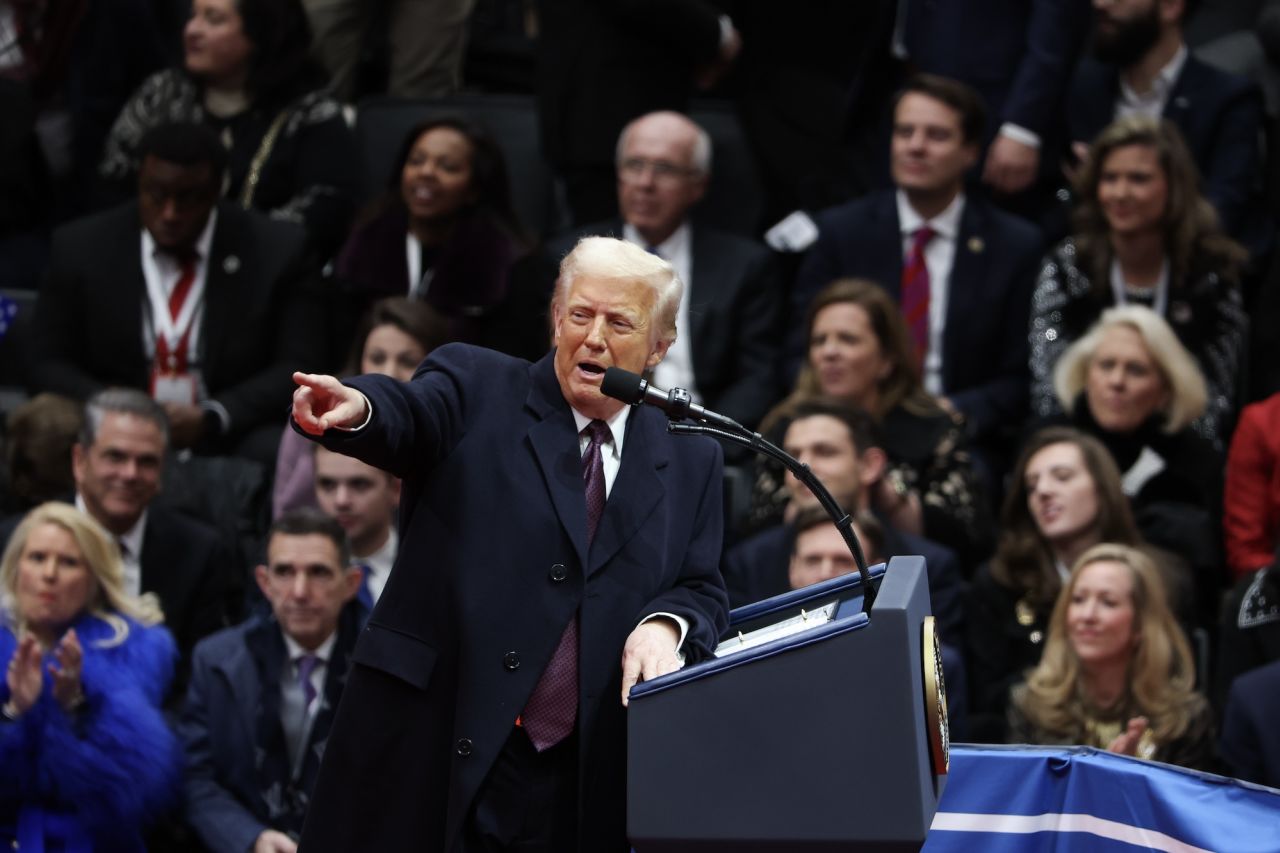
As the international community monitors the evolving security landscape in the Middle East, the diplomatic situation remains fluid. Recent statements from President Donald Trump have signaled a shift in the status of regional tensions, with the administration suggesting that progress is being made toward a potential agreement, even as the situation on the ground remains complex.
The geopolitical significance of the region, particularly concerning the transit of energy resources and the stability of maritime routes, continues to be a central focus for global markets and policymakers. Following reports of ongoing discussions, the administration has characterized the current state of engagement with Iran as being in a advanced phase of negotiation, though the path to a formal resolution remains subject to the volatile nature of regional alliances and military postures.
Diplomatic Efforts and Regional Stability
The current administration has emphasized a strategy of balancing economic pressure with targeted diplomatic outreach. Central to these efforts is the management of the Strait of Hormuz, a critical maritime chokepoint. While the White House has expressed optimism regarding the potential for normalized transit, regional actors and international observers continue to assess the feasibility of these claims against the backdrop of ongoing military maneuvers and shifting strategic objectives.
For those following the situation, it is essential to distinguish between official administrative statements and the reports emerging from the ground. The administration’s public posture—suggesting that a ceasefire or preliminary agreement is nearing completion—stands in contrast to the persistent reports of skirmishes and the hardening of positions by various regional proxies. According to recent updates from the White House, the president has maintained that negotiations are moving forward, yet the volatility of the region often complicates the implementation of such high-level understandings.
The Impact of U.S. Policy on Global Markets
The focus on the Middle East is not merely a matter of regional security but a primary driver of global economic stability. The price of energy and the security of supply chains are directly tied to the ability of the U.S. To manage its influence in the region. As the administration navigates these challenges, the reliance on traditional alliances, such as those with Saudi Arabia, remains a point of intense scrutiny. The internal pressures facing the administration, including the ongoing debates over domestic policies and the management of executive-level appointments, such as the recent transition at the Federal Reserve, add a layer of complexity to the government’s ability to project consistent international policy.
As reported by the Associated Press, the administration is currently balancing a series of contentious domestic issues, including the management of a significant compensation fund and internal party friction. These domestic distractions can often influence the speed and effectiveness of foreign policy execution. Observers should note that while the president’s rhetoric remains focused on achieving broad objectives, the operational reality is frequently constrained by these parallel political battles.
What Happens Next: Monitoring the Situation
For international observers and stakeholders, the next major checkpoint will involve the potential formalization of the reported peace framework. The administration has yet to release a detailed timeline for the next phase of negotiations, and officials have cautioned that the situation remains subject to rapid change.

Key areas to monitor include:
- Official statements regarding the status of the Strait of Hormuz transit protocols.
- Future diplomatic briefings from the State Department regarding the progress of the ceasefire negotiations.
- Any formal communication from the administration regarding the role of regional partners in overseeing the proposed agreement.
As we continue to cover this developing story, we encourage our readers to rely on official government transcripts and verified international reporting for the most accurate updates. The complexity of this conflict requires a careful assessment of every statement, and we will continue to provide balanced analysis as the situation unfolds. We welcome your insights and perspectives in the comments section below as we engage in this vital discussion on global security.