The United States government has maintained a firm stance that no frozen funds will be released to Iran until the country fulfills its specific international obligations. This policy, articulated by senior American officials, underscores the ongoing diplomatic tension between Washington and Tehran regarding nuclear compliance and regional stability, according to reporting by Reuters.
The core of the current impasse centers on the conditions for economic relief versus Iran’s adherence to non-proliferation commitments. While international discussions often touch upon the potential for financial concessions, the U.S. administration continues to prioritize concrete, verifiable actions from the Iranian government before considering any shift in its sanctions policy. This approach highlights the reliance on a “compliance-first” framework, a strategy that has defined U.S. foreign policy toward the Islamic Republic for several years, as documented by the U.S. Department of State.
The Link Between Sanctions and Nuclear Compliance
The restriction on frozen assets remains a primary leverage point for the United States. According to official briefings, the release of these funds is tied directly to Iran’s transparency regarding its nuclear program and its conduct in critical maritime corridors. Specifically, U.S. officials have emphasized that any movement on financial assets is contingent upon verifiable steps, such as the management of enriched materials and the assurance of free navigation through the Strait of Hormuz, as noted by International Atomic Energy Agency (IAEA) monitoring reports.

The Iranian leadership has historically argued that the return of these funds is a matter of sovereign right, particularly following the 2015 Joint Comprehensive Plan of Action (JCPOA). However, the U.S. position remains that the current regional security environment and Iran’s recent nuclear escalations necessitate the continued freezing of these assets. This diplomatic standoff is further complicated by shifting rhetoric from Washington, where officials have balanced the possibility of de-escalation with the reality of strict enforcement of existing executive orders.
Shifting Rhetoric and Diplomatic Maneuvering
Recent public statements from high-ranking officials in both nations have introduced a layer of complexity to the negotiation process. While there have been reports of back-channel communications, the U.S. government has been clear that these exchanges do not constitute a relaxation of pressure. Analysts point to the importance of the U.S. Department of the Treasury in overseeing the enforcement of these sanctions, which remain a cornerstone of American policy to limit Iran’s ability to project power in the Middle East.
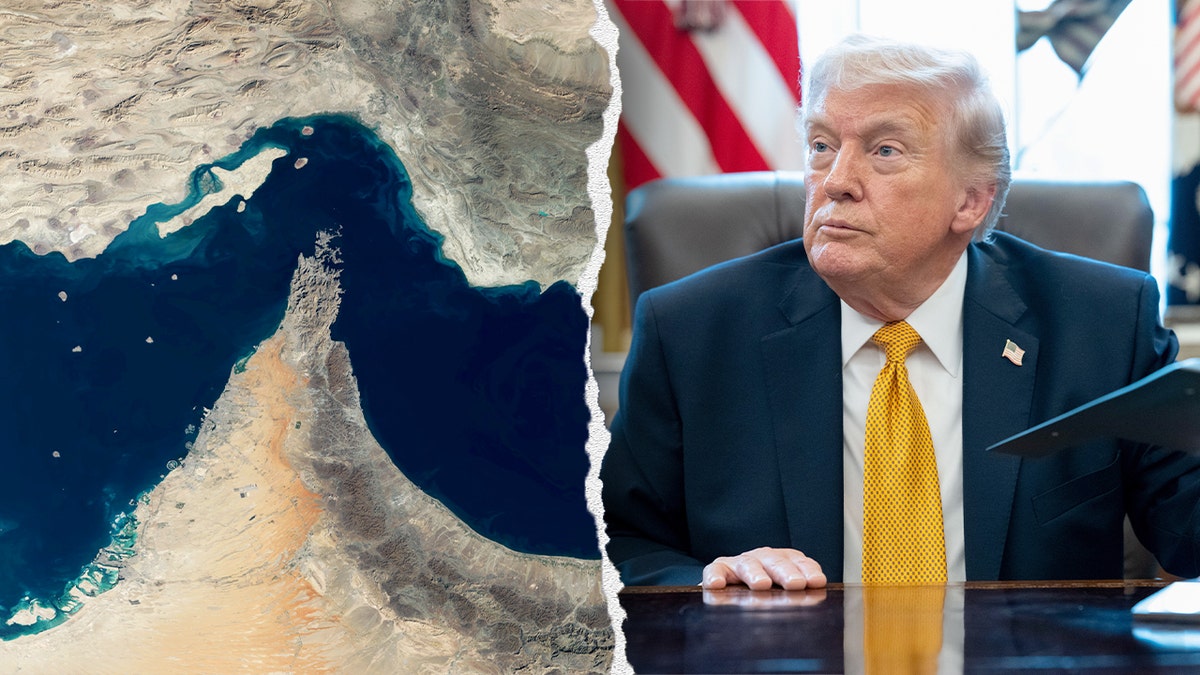
The discourse often shifts between the public posturing of leaders and the private reality of diplomatic negotiations. For instance, while some reports suggest that messages of potential de-escalation have been relayed, the administration has consistently downplayed the likelihood of immediate financial windfalls for Tehran. This reflects a broader geopolitical strategy aimed at containment, ensuring that any potential breakthrough is rooted in measurable, irreversible actions rather than temporary political gestures.
Regional Implications and Strategic Stability
The broader impact of this policy extends beyond U.S.-Iran relations, affecting regional stability across the Persian Gulf. The security of energy shipments through the Strait of Hormuz is a frequent topic of concern for global markets and neighboring states. By conditioning financial access on the maintenance of these maritime lanes, the U.S. seeks to minimize the risk of conflict while maintaining a presence that deters aggressive posturing.
Furthermore, the status of Iran’s enriched uranium stockpile remains the most significant technical hurdle. Under the terms of non-proliferation agreements, the reduction of these materials is a prerequisite for a return to broader economic engagement. As of the most recent quarterly updates from the IAEA, the monitoring of these sites remains a contentious issue, with Iran periodically restricting access to inspectors, which the U.S. views as a direct violation of international norms.
What Happens Next
The situation remains fluid as both nations navigate their respective internal pressures and international obligations. The next phase of this diplomatic process is expected to center on upcoming sessions of the United Nations General Assembly and further IAEA Board of Governors meetings, where member states will assess the status of Iran’s nuclear program. These forums provide the standard venue for reviewing compliance and determining whether existing sanctions frameworks require adjustment.

Observers are closely watching for any signs of a formal breakthrough, though current indicators suggest a continued period of high-stakes stalemate. For citizens and businesses tracking these developments, the U.S. Department of State website remains the primary source for the latest updates on sanctions designations and formal diplomatic statements. We invite our readers to share their perspectives on these developments in the comments section below.
Keep reading
- How Donald Trump Remade the Republican Party and American Politics
- Ukraine Launches Massive Drone Offensive: Second Largest Attack of the War Hits Russian Regions
- Sam Newman Criticized Over Carr Rape Claims (archyde.com)
- Trump Denies US Munitions Shortages Amid Reports of Tense Cabinet Meeting (time.news)