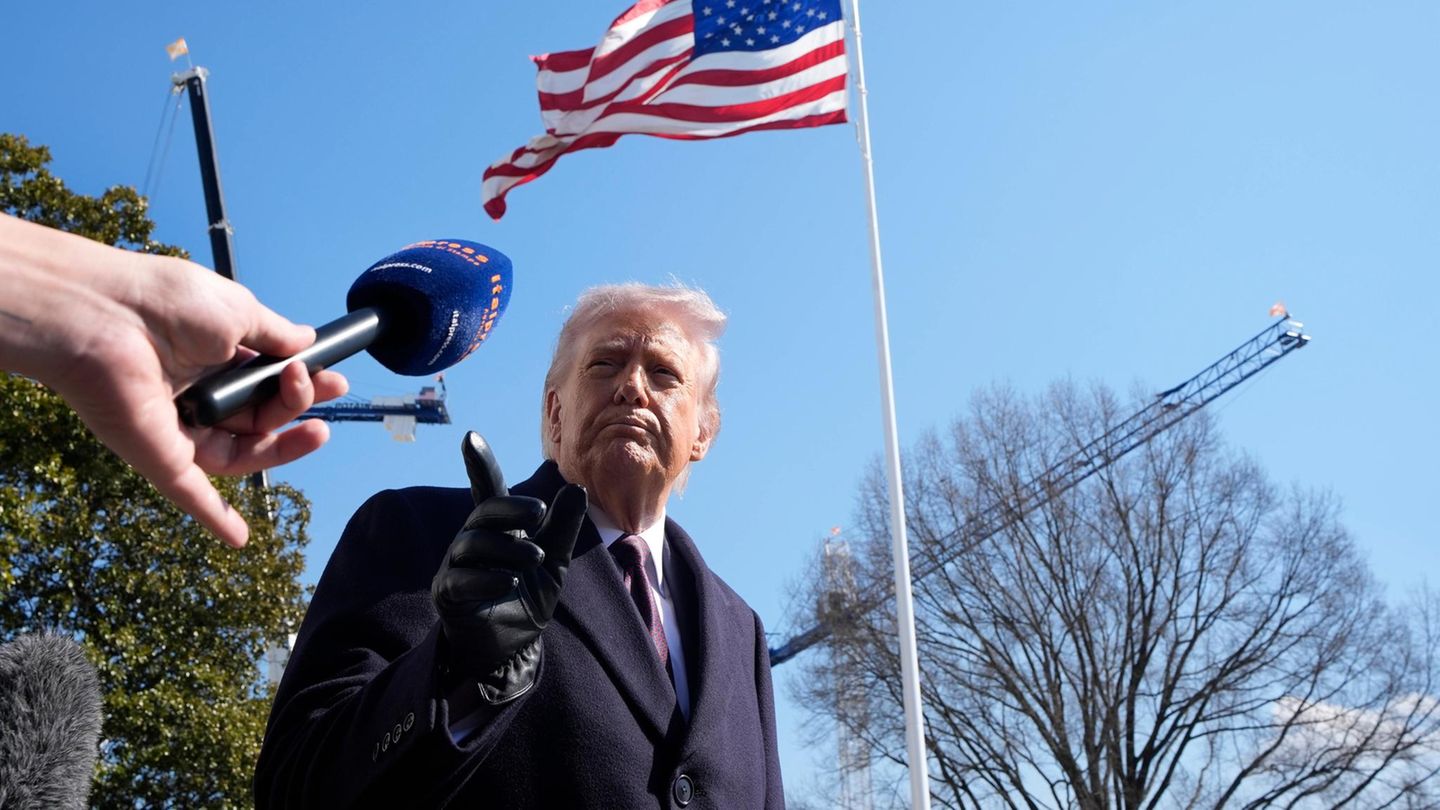
Washington D.C. – A major military operation conducted by the United States and Israel has resulted in the death of Iran’s Supreme Leader, Ayatollah Ali Khamenei, according to an announcement made by former President Donald Trump on Saturday. The confirmation of Khamenei’s assassination marks a significant escalation in tensions between Iran and the U.S.-Israel alliance, raising concerns about potential retaliatory actions and further instability in the Middle East. This development, while confirmed by Trump, has not yet been independently verified by all international sources.
The announcement, delivered via Trump’s Truth Social platform, described Khamenei as “one of the most evil people in History” and framed his death as a victory for both Americans and Iranians seeking change. He further claimed that Iranian security forces are considering seeking immunity from prosecution, suggesting a potential fracturing within the Iranian government. The situation remains fluid, and the veracity of these claims requires further investigation. The timing of this action, and the former president’s direct involvement in announcing it, are raising questions about the current administration’s foreign policy direction and the role of previous administrations in shaping events.
The coordinated strikes involved approximately 200 Israeli warplanes, according to initial reports. The attacks targeted multiple locations across Iran, including a compound reportedly housing Khamenei, which was said to have been “flattened.” Tragically, reports indicate significant civilian casualties, including at least 108 people killed in a strike on a girls’ primary school in southern Iran. The Iranian Red Crescent has reported a total of at least 201 deaths across the country as a result of the U.S.-Israeli strikes, according to Iranian media outlets. These figures are subject to change as more information becomes available and independent verification is conducted.
Immediate Aftermath and Iranian Response
Following the attacks, Iranian forces reportedly retaliated with strikes on U.S. And Israeli military bases throughout the Middle East. Cities, including Tehran, were also targeted. Two world-renowned hotels in Dubai were struck by Iranian projectiles and debris, indicating the broad reach of the retaliatory measures. This reciprocal action underscores the volatile nature of the situation and the potential for a wider regional conflict. The extent of the damage and any further casualties resulting from these retaliatory strikes are currently being assessed.
The attacks have prompted a range of reactions from international leaders and policymakers. Senator Tim Kaine, a Democrat from Virginia, expressed skepticism regarding Trump’s claims of an “imminent threat” from Iran, stating that he had not seen evidence to support such assertions based on classified briefings. Kaine emphasized his commitment to preventing further escalation and opposing military intervention in the Middle East. This highlights a division within the U.S. Political landscape regarding the justification and potential consequences of the recent actions.
Who Was Ayatollah Ali Khamenei?
Ayatollah Ali Khamenei served as Iran’s Supreme Leader since 1989, succeeding Ayatollah Ruhollah Khomeini. As the highest political and religious authority in Iran, Khamenei wielded significant influence over the country’s domestic and foreign policies. He oversaw Iran’s development into a major regional power, navigating complex geopolitical challenges and overseeing the country’s nuclear program. His death creates a power vacuum within Iran, raising questions about the future leadership and direction of the nation. Understanding Khamenei’s role is crucial to understanding the current crisis.
Potential Successors and the Future of Iranian Leadership
With Khamenei’s death, the question of succession looms large. While no clear successor has been officially designated, several potential candidates have been identified. These include figures within the Iranian clergy and political establishment who possess the necessary qualifications and influence to assume the role of Supreme Leader. The selection process will likely involve deliberations among the Assembly of Experts, a body of clerics responsible for choosing the Supreme Leader. The outcome of this process will significantly shape Iran’s future trajectory and its relationship with the international community. The potential for internal power struggles and competing factions adds another layer of complexity to the situation.
International Reactions and Concerns
The U.S.-Israeli strikes have drawn condemnation from some international actors and concern from others. Many nations are calling for de-escalation and a return to diplomatic solutions. The United Nations has urged restraint and emphasized the importance of upholding international law. The European Union has expressed its concern over the escalating violence and called for a ceasefire. The international community is grappling with the potential consequences of the conflict, including the risk of a wider regional war and a humanitarian crisis. The situation demands a coordinated and diplomatic response to prevent further escalation and protect civilian lives.
Impact on Regional Stability and Global Security
The death of Ayatollah Khamenei and the subsequent military actions have significantly destabilized the Middle East. The region is already grappling with numerous conflicts and tensions, and this latest development threatens to exacerbate existing challenges. The potential for retaliatory attacks, proxy conflicts, and increased terrorist activity is high. The situation could have broader implications for global security, including disruptions to oil supplies and increased geopolitical competition. The long-term consequences of these events remain uncertain, but the immediate impact is a heightened sense of risk and instability.
What Happens Next?
The immediate future remains highly uncertain. Further retaliatory strikes from Iran are anticipated, and the potential for miscalculation and escalation is significant. The U.S. And Israel are likely to maintain a heightened state of alert and prepare for potential attacks on their assets in the region. Diplomatic efforts to de-escalate the situation are ongoing, but the prospects for a swift resolution appear limited. The coming days and weeks will be critical in determining whether the conflict can be contained or whether it will spiral into a wider regional war. The international community will be closely monitoring the situation and seeking ways to promote stability and prevent further bloodshed.
As of this reporting, Iran has not officially confirmed Khamenei’s death. The situation is rapidly evolving, and further updates will be provided as they become available. The world watches with bated breath as the Middle East teeters on the brink of further conflict. The implications of these events will be felt for years to arrive, shaping the geopolitical landscape and impacting the lives of millions.
Key Takeaways:
- Ayatollah Ali Khamenei, Iran’s Supreme Leader, has been reported dead following a U.S.-Israeli military operation.
- The attacks have triggered retaliatory strikes from Iran, escalating tensions in the Middle East.
- The death of Khamenei creates a power vacuum within Iran, raising questions about the future leadership of the country.
- International reactions have been mixed, with calls for de-escalation and a return to diplomatic solutions.
Stay tuned to World Today Journal for continuing coverage of this developing story. We encourage readers to share their thoughts and perspectives in the comments section below.
- iPhone 18 release: Everything rumored for Apple’s September event
- Samsung Galaxy Buds On Leak: New Sporty Design with Ear Hooks Revealed
- US Treasury Secretary Bessent Signals Potential Joint Intervention to Support Yen (archynewsy.com)
- Israel Raises Security Concerns Over Trump-Brokered Hamas Disarmament Deal (time.news)