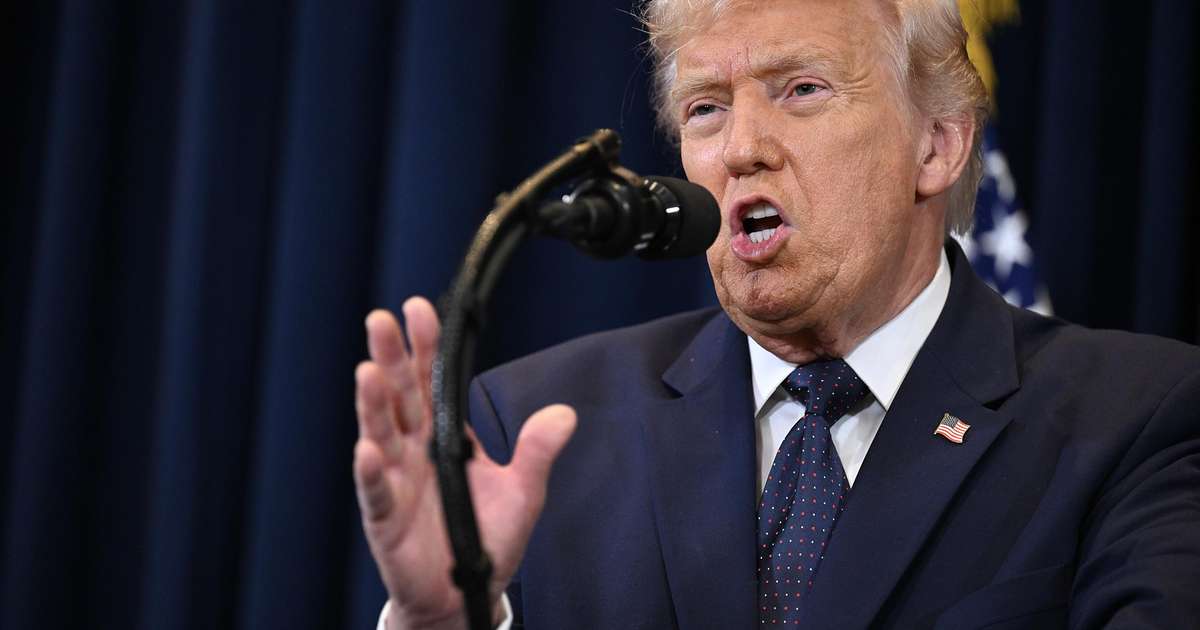
Hebron, Kentucky – Amidst ongoing military operations in the Middle East, former U.S. President Donald Trump asserted Wednesday that the United States had “won” the conflict with Iran, despite acknowledging the need for continued military presence in the region to “finish the job.” The declaration came during a rally in Hebron, Kentucky, a visit strategically timed to challenge Republican Congressman Thomas Massie, a vocal critic of the ongoing military engagement. This assertion, made just over a week into the conflict, raises questions about the administration’s definition of “victory” and the projected timeline for de-escalation.
Trump’s comments, delivered before a crowd of supporters, were characteristically assertive. He claimed a swift and decisive victory, stating, “We won. We won in the first hour, it was all over with, but we won.” But, he immediately qualified this statement, emphasizing the necessity of maintaining a military foothold in the region. “We have to finish the job, right? We don’t want to have to head back there every two years,” he said, signaling a potentially prolonged commitment to the region despite his claim of initial success. The remarks come as the Pentagon estimates the first six days of the war have already cost over $11.3 billion, according to sources familiar with a closed-door briefing to senators. Senator Chris Coons (D-Del.) suggested the actual cost may be even higher, not fully accounting for all aspects of the operation.
Escalating Tensions and Congressional Dissent
The backdrop to Trump’s Kentucky rally is a growing divide within the Republican party regarding the scope and duration of the conflict with Iran. Congressman Thomas Massie has emerged as a prominent voice of dissent, raising concerns about the escalating costs – both financial and geopolitical – of the military intervention. Trump directly attacked Massie during the rally, labeling him a “loser” and “disloyal” to the Republican Party, the people of Kentucky, and the United States. He endorsed Massie’s primary opponent in a clear attempt to unseat the congressman in the upcoming elections. This public rebuke underscores the increasing pressure on Republican lawmakers to align with the former president’s hawkish stance on foreign policy.
Massie, speaking to ABC News prior to Trump’s visit, stated that his constituents were increasingly worried about the war’s impact on the economy, particularly rising gasoline prices. He noted a shift in public sentiment as the conflict continued, with Republicans beginning to question the long-term goals and sustainability of the military operation. This sentiment reflects a broader national concern, as inflation held steady in February before surging in response to the war, impacting the cost of living for many Americans. The timing of Massie’s concerns, and Trump’s subsequent attack, highlights the political sensitivity surrounding the conflict and the potential for domestic backlash.
Defining “Victory” and the Path Forward
Trump’s claim of “victory” raises fundamental questions about the objectives of the military intervention in Iran. While the specifics of the operation remain largely undisclosed, the administration has previously indicated a focus on dismantling Iran’s nuclear capabilities and curbing its regional influence. However, the definition of “success” in these areas remains ambiguous. The initial claim of a swift victory contrasts with the stated intention to maintain a long-term military presence, suggesting that the administration’s goals may extend beyond the immediate military objectives. The ongoing presence of U.S. Forces implies a broader strategy aimed at stabilizing the region and preventing Iran from re-establishing its military capabilities.
Earlier in the day, Trump asserted that U.S. Forces had “taken out” Iranian leadership on two occasions, adding, “Now there’s a new group taking over. We’ll witness what happens with them.” This statement, while lacking specific details, suggests a targeted campaign against key figures within the Iranian government, and military. The implications of these actions, and the potential for further escalation, remain unclear. The administration has previously warned Iran against any further aggression, signaling a willingness to respond forcefully to any perceived threats. The situation remains fluid and unpredictable, with the potential for further escalation depending on Iran’s response to U.S. Actions.
Economic Impact and Domestic Concerns
The economic consequences of the conflict are already being felt in the United States, with gasoline prices surging in response to disruptions in global oil supplies. The Pentagon estimates the first six days of the war cost over $11.3 billion, a figure that is likely to increase as the conflict continues. This financial burden is raising concerns among lawmakers and the public alike, particularly as the U.S. Economy faces other challenges, including inflation and rising interest rates. The long-term economic impact of the war remains uncertain, but it is likely to be significant, potentially impacting everything from consumer prices to government spending.
Beyond the economic impact, the conflict is also fueling a debate about the appropriate role of the United States in global affairs. Critics argue that the intervention in Iran is a costly and unnecessary distraction from domestic priorities, while supporters maintain that it is essential to protect U.S. Interests and prevent Iran from acquiring nuclear weapons. This debate is playing out within both the Republican and Democratic parties, highlighting the deep divisions within American society regarding foreign policy. The outcome of the conflict, and the subsequent debate over its merits, will likely have a significant impact on the future of U.S. Foreign policy.
Political Fallout in Kentucky and Beyond
Trump’s visit to Kentucky was not solely focused on foreign policy. It was also a deliberate attempt to undermine Congressman Thomas Massie, a frequent critic of the former president. By directly attacking Massie in his home district, Trump is seeking to demonstrate his continued influence within the Republican party and to punish those who have dared to challenge his authority. The primary challenge to Massie is expected to be a closely contested race, with the outcome potentially shaping the future of the Republican party in Kentucky. The situation highlights the ongoing power struggle between Trump and more moderate Republicans, and the potential for further purges within the party.
The broader political implications of the conflict extend beyond Kentucky. The war is likely to be a major issue in the upcoming midterm elections, with voters weighing in on the administration’s handling of the crisis. The outcome of these elections could have a significant impact on the balance of power in Congress, potentially leading to a shift in foreign policy priorities. The conflict is also likely to influence the debate over defense spending, with calls for increased military funding expected to grow in the wake of the intervention. The long-term political consequences of the war remain uncertain, but it will have a lasting impact on American politics.
As the conflict in Iran continues, the United States faces a complex and challenging situation. Trump’s claim of “victory,” while intended to project strength and resolve, is belied by the ongoing military presence and the escalating economic costs. The path forward remains uncertain, with the potential for further escalation and a prolonged commitment to the region. The coming weeks and months will be critical in determining the ultimate outcome of the conflict and its impact on the United States and the world.
The next key development to watch will be the release of a comprehensive report from the Department of Defense detailing the full financial cost of the first month of military operations in Iran, expected by the end of April. Readers are encouraged to share their perspectives and engage in constructive dialogue in the comments section below.
Related reading