
As the G7 summit in Italy concludes, President Donald Trump faces intense scrutiny from global leaders regarding the future of U.S. foreign policy, specifically concerning ongoing tensions with Iran and the continued provision of military and financial aid to Ukraine. The summit, which brings together the leaders of the world’s largest advanced economies, serves as a critical venue for the administration to address mounting pressure from European allies who remain concerned about potential shifts in U.S. commitments to international security agreements.
The final press conference is expected to be a focal point for reporters seeking clarity on whether the administration intends to maintain current support levels for Kyiv as the conflict with Russia persists into its third year. Simultaneously, the uncertainty surrounding a potential diplomatic framework to prevent further escalation with Tehran remains a primary point of discussion among G7 representatives, according to reporting from the Reuters international news desk.
Evaluating the Future of U.S. Support for Ukraine
The question of sustained support for Ukraine remains a top priority for G7 members. Since the full-scale invasion began in February 2022, the U.S. has provided over $175 billion in total assistance, including humanitarian, financial, and military aid, as documented in the U.S. Department of State official records. During the summit, leaders have sought reassurances that the U.S. will remain a steadfast partner in the coalition supporting President Volodymyr Zelenskyy’s government.
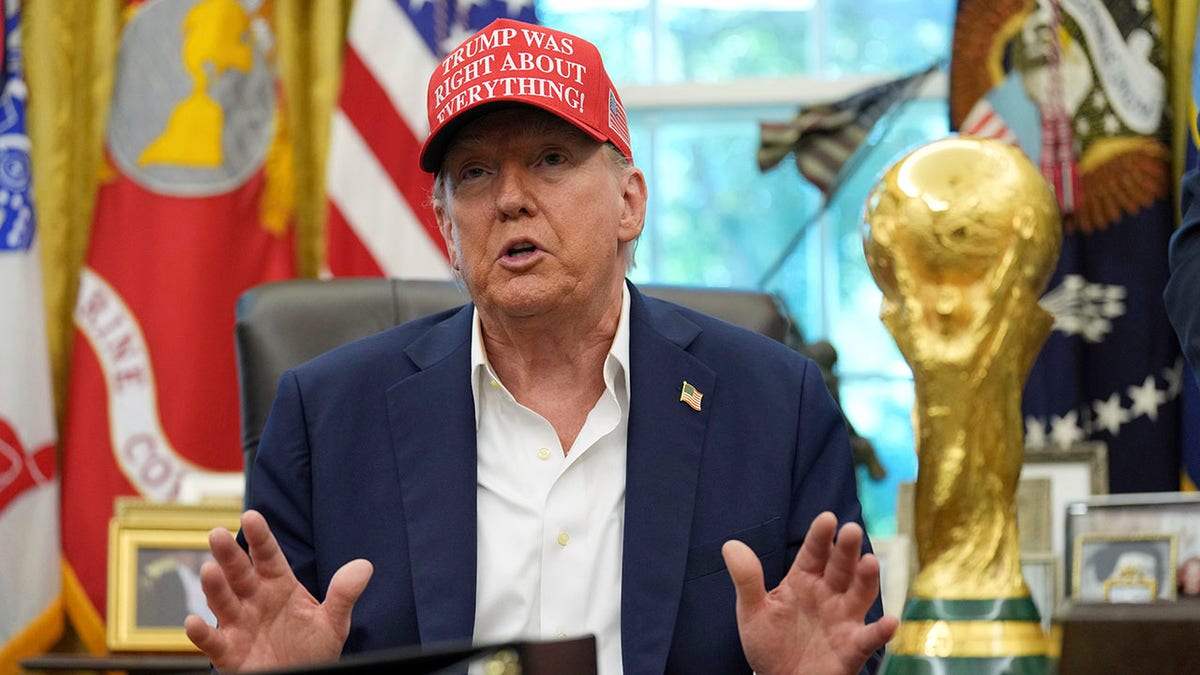
Observers note that the discourse at the summit reflects a broader apprehension regarding the durability of Western unity. While the administration has emphasized the importance of collective defense, the debate over budgetary constraints and the long-term strategic necessity of the conflict has surfaced in private meetings. The White House has consistently maintained that its policy is to provide Ukraine with the capabilities necessary to defend its sovereignty, though specific long-term commitments often remain subject to domestic legislative approval.
Diplomatic Uncertainties Regarding Iran
Parallel to the discussions on Ukraine, the G7 leaders are navigating a complex landscape regarding Iran’s nuclear program and regional activities. Following years of fluctuating diplomatic efforts, the current status of any agreement to curb Tehran’s nuclear ambitions is viewed as fragile. European leaders, particularly those from France, Germany, and the United Kingdom, have urged the U.S. to pursue a cohesive strategy that balances pressure with diplomatic openings, as noted by the Financial Times.
The administration faces a delicate balancing act. There is a stated preference for preventing a broader regional war, yet the lack of a formal, binding agreement creates a vacuum that critics argue emboldens Iranian regional proxies. Whether the President will use the final news conference to outline a new framework or reaffirm existing sanctions policy is a matter of significant interest to international policy analysts.
What Happens Next: Monitoring Global Commitments
The conclusion of the G7 summit acts as a waypoint rather than a resolution for these geopolitical challenges. The next major checkpoint for international security policy will likely occur during the upcoming NATO summit, where member states are expected to review their defense spending targets and military support strategies for the remainder of the year. Official updates regarding these commitments are typically released through the NATO press office following ministerial-level meetings.
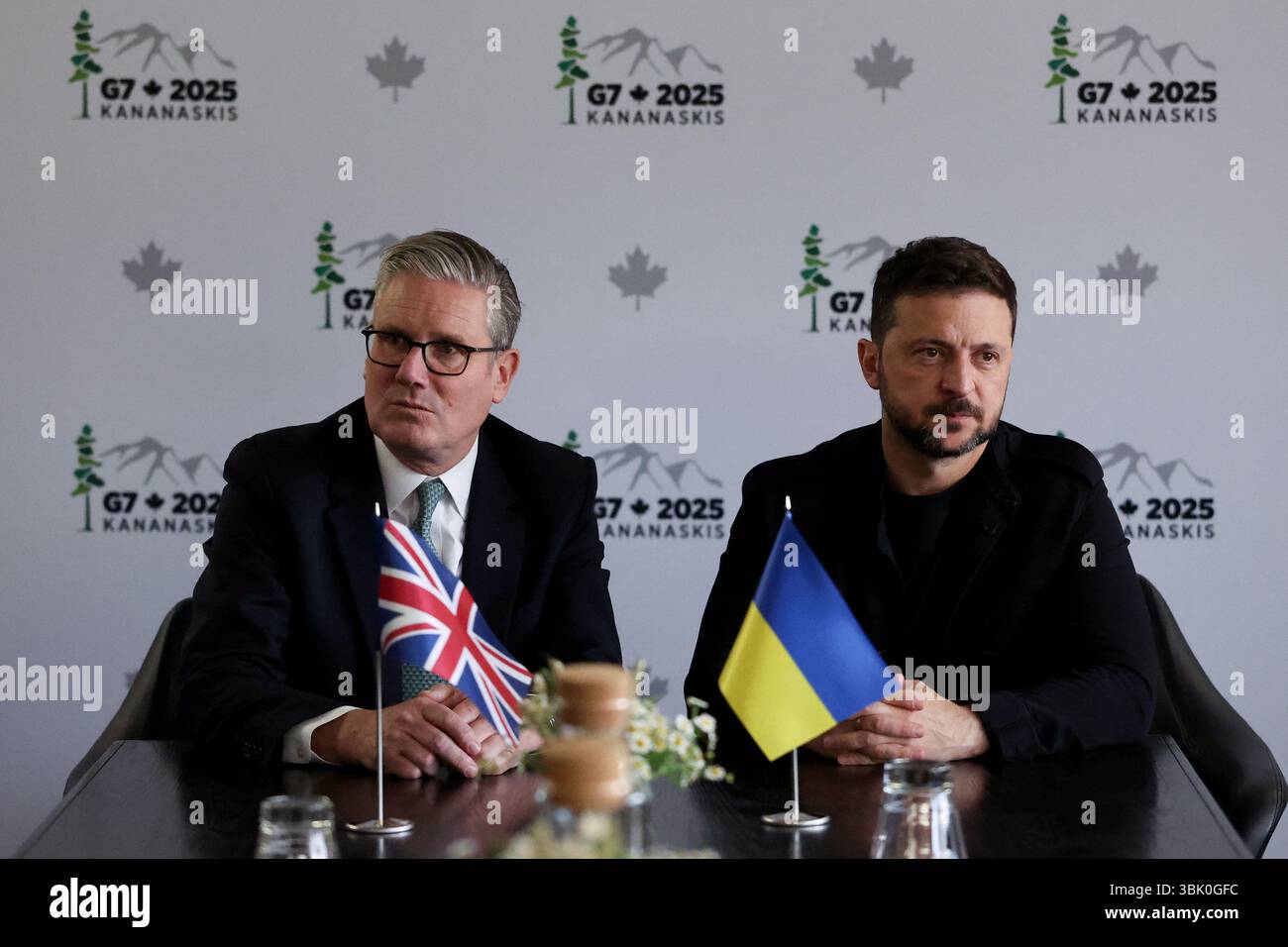
For readers tracking these developments, the most reliable information regarding U.S. policy shifts can be found in the transcripts of the daily briefings provided by the Department of State. As the G7 process transitions from the summit floor to implementation, the international community will be watching to see how the rhetoric delivered in Italy translates into concrete policy actions in Washington and across European capitals.
The global security environment remains dynamic, with shifting alliances and economic pressures influencing every decision made at this level. Understanding the nuance of these negotiations is essential to grasping the direction of modern international relations. We invite our readers to share their perspectives on these developments in the comments section below or join the conversation on our social media channels to stay informed as these stories continue to unfold.