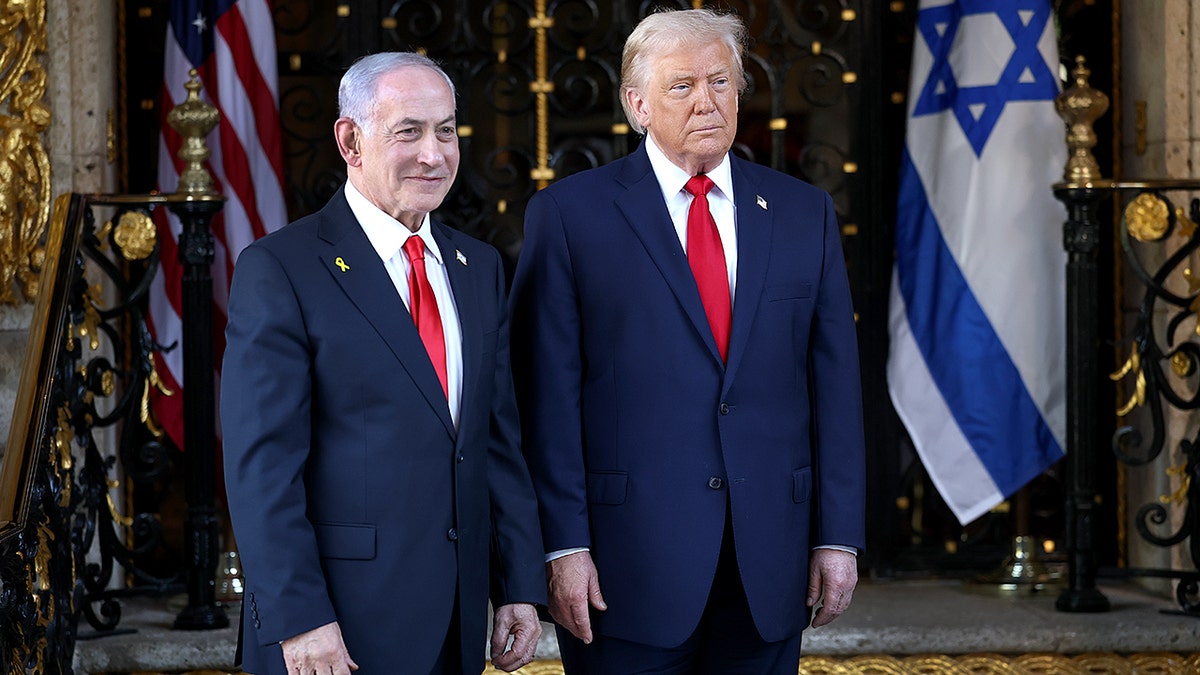
The complex and often volatile relationship between Donald Trump and Israeli Prime Minister Benjamin Netanyahu has entered a new phase of public scrutiny. Recent reports have brought to light candid exchanges between the two leaders, with the former U.S. President confirming that he has, at times, used disparaging language—specifically the term “crazy”—when discussing the Israeli premier in private conversations. These revelations come as the two figures navigate significant policy differences regarding the ongoing regional conflicts in the Middle East.
As the international community watches these developments, the core issue remains whether personal friction between global leaders translates into substantive shifts in foreign policy. Trump has openly suggested that Israel’s military actions in Lebanon and its posture toward Iran are complicating potential diplomatic avenues for peace. This tension underscores a broader debate about the alignment of U.S. And Israeli strategic interests as the region faces heightened volatility, with ongoing military engagements continuing to impact civilian populations across the border.
Diplomatic Friction and Strategic Divergence
The confirmation of these behind-the-scenes tensions highlights a marked shift from the period of the Trump presidency, which was often characterized by a close alignment between the White House and the office of the Israeli Prime Minister. During his term, Trump facilitated the Abraham Accords, a series of normalization agreements between Israel and several Arab nations, which were hailed by his administration as a major breakthrough for regional stability. However, the current discourse suggests a more fragmented approach to handling the escalating crisis involving Iran and its regional proxies.
Trump’s assertions that Israel is complicating peace talks appear to stem from a perceived lack of coordination regarding the scale and intensity of military operations in Beirut and across the Lebanese frontier. While Prime Minister Netanyahu has publicly acknowledged that he and the former president have “tactical disagreements,” he has emphasized that the two remain fundamentally aligned on the broader objective of countering Iranian influence in the region. This distinction between tactical methodology and strategic goals is a common feature in high-stakes international diplomacy, yet it leaves observers questioning the efficacy of current U.S.-Israel communication channels.
The Impact on Iran Policy
Central to this dispute is the approach toward Iran. For years, the “maximum pressure” campaign—a hallmark of Trump’s Iran policy—sought to isolate the Iranian regime through severe economic sanctions and diplomatic withdrawal from the 2015 Joint Comprehensive Plan of Action (JCPOA). The current administration and various international stakeholders continue to manage the fallout from the collapse of that agreement, with the International Atomic Energy Agency (IAEA) recently reporting on the continued expansion of Iran’s nuclear enrichment capabilities.
The friction between Trump and Netanyahu regarding these talks suggests a disagreement over whether aggressive military posture facilitates or hinders long-term stability. While Netanyahu has argued that a decisive military stance is necessary to deter aggression, critics and some U.S. Observers fear that such actions may inadvertently unite regional opposition and solidify Iran’s resolve. The geopolitical landscape is further complicated by the United Nations Security Council’s ongoing monitoring of the Blue Line, where peacekeeping forces continue to report violations that threaten to escalate into a broader conflict.
Understanding the Leadership Dynamic
The use of inflammatory language in private, now acknowledged publicly, serves as a window into the transactional nature of the Trump-Netanyahu relationship. Observers of international affairs note that such rhetoric does not necessarily preclude future cooperation, as both leaders have historically demonstrated a willingness to prioritize political pragmatism over personal rapport. The challenge, however, is whether this pattern of communication erodes the trust required for sensitive, high-level intelligence sharing and joint military planning.
For the public and policymakers alike, these events highlight the importance of official, transparent communication. As the situation in the Middle East remains fluid, the focus will likely shift to how these personal disagreements manifest in future policy frameworks. The following table provides a brief overview of the key areas of current divergence:
| Topic | Netanyahu’s Stance | Trump’s Stance |
|---|---|---|
| Iran Strategy | Direct military pressure | Transactional/Maximum pressure |
| Lebanon Conflict | Operational necessity | Complicating peace efforts |
| Alliance Status | Tactical disagreement | Candid/Critical |
What Happens Next
As the international community moves toward the next cycle of diplomatic engagement, all eyes are on the upcoming U.S. State Department briefings and potential UN Security Council resolutions regarding the Lebanon-Israel border. These platforms will serve as the primary venues for official updates on how the U.S. And Israel intend to reconcile their tactical differences moving forward.
For those tracking these developments, it is essential to rely on verified transcripts and official government statements rather than speculative commentary. The situation remains highly dynamic, and the rhetoric used by key stakeholders is subject to change as the geopolitical environment evolves. We will continue to monitor these developments and provide updates as verified information becomes available.
What are your thoughts on how these diplomatic tensions might affect the future of Middle Eastern stability? Join the conversation by sharing your perspective in the comments section below or by sharing this report with your network.