
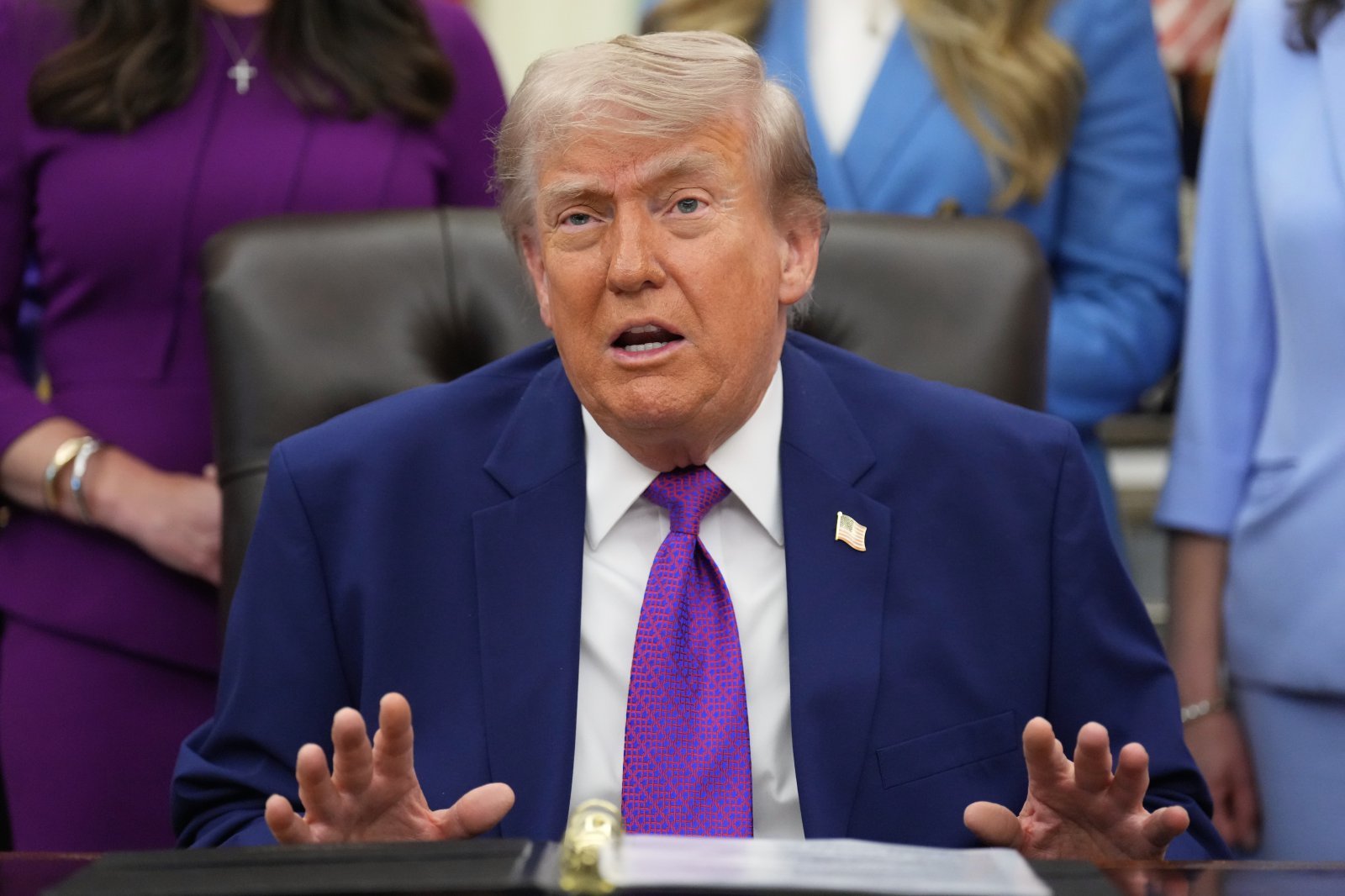
The geopolitical volatility surrounding the Strait of Hormuz has reached a critical inflection point as the United States weighs a significant escalation in its maritime strategy. President Donald Trump is reportedly considering the resumption of a proactive initiative to “liberate” the strategic waterway, signaling a shift from defensive posture to a more assertive military stance intended to neutralize Iranian influence over the world’s most vital oil choke point.
This potential pivot comes amid an ongoing conflict with Iran that has already sent shockwaves through global energy markets. For the administration, the goal is no longer merely the protection of individual commercial vessels, but the comprehensive restoration of unrestricted navigation in a region where Iran has historically used its geography as a geopolitical lever.
As an editor who has spent over 14 years analyzing the intersection of geopolitics and human rights, I have observed that shifts in naval doctrine in the Persian Gulf rarely occur in a vacuum. The transition from “escorting” to “liberating” suggests a fundamental change in the rules of engagement, moving the U.S. Closer to a direct confrontation with Iranian naval assets to ensure that global energy flows remain uninterrupted.
Beyond Escorts: The Strategy of ‘Liberation’
For months, the U.S. Military presence in the Gulf has focused primarily on the escort of commercial tankers—a reactive strategy designed to deter harassment and seizures. However, reports now indicate that the White House is reviewing a more aggressive framework, referred to in some circles as a “liberation project.” This approach would move beyond the passive shielding of ships toward active operations aimed at clearing the strait of Iranian threats.
The strategic objective is to eliminate the “veto power” Iran holds over the Strait of Hormuz, through which approximately 20% of the world’s total oil consumption passes daily. By shifting to a “liberation” model, the U.S. Would likely increase its offensive capabilities in the region, potentially utilizing advanced strike groups to preemptively neutralize Iranian mine-laying capabilities and fast-attack craft.
This escalation is not merely tactical but economic. The “Iran war” has already triggered surging fuel prices, leading President Trump to move toward suspending the federal gasoline tax to alleviate the financial burden on American consumers. The administration views the liberation of the strait as the only long-term solution to stabilize global oil prices and break the cycle of energy volatility caused by Iranian brinkmanship.
Iran’s Response: The Submarine Threat
Tehran has not remained idle in the face of these American maneuvers. In response to the increased U.S. Naval footprint, Iran has announced a strategic augmentation of its submarine fleet within the Strait of Hormuz. By deploying more quiet, diesel-electric submarines, Iran aims to create an “asymmetric deterrent” that can challenge the dominance of U.S. Carrier strike groups in the narrow confines of the waterway.

The deployment of submarines transforms the conflict from a surface-level skirmish into a complex underwater chess match. Submarines allow Iran to threaten shipping lanes with less visibility, complicating the U.S. Navy’s ability to provide effective escorts and increasing the risk of miscalculation. The U.S. Government has indicated it is currently awaiting a formal response from Tehran regarding specific maritime boundaries and safety protocols, though diplomatic channels remain strained.
This naval arms race in the Gulf is a classic example of the security dilemma: as the U.S. Increases its presence to ensure “freedom of navigation,” Iran views those actions as an existential threat, prompting further militarization. This cycle increases the probability of a kinetic encounter that could instantaneously shut down the strait, triggering a global economic crisis.
Global Energy Security and the ‘Hormuz Swamp’
The international community is watching the developments with a mixture of anxiety and urgency. The Strait of Hormuz is not just a regional flashpoint; it is the jugular vein of the global economy. Any prolonged closure or high-intensity conflict in the region would likely lead to an unprecedented spike in Brent crude prices, impacting everything from industrial production in Europe to transportation costs in Asia.
Critics of the current U.S. Approach argue that the administration may be entering a “maritime swamp”—a situation where the U.S. Is committed to a high-risk military operation that is difficult to sustain and nearly impossible to exit without a total Iranian surrender. This perspective suggests that the pursuit of “liberation” could inadvertently lock the U.S. Into a protracted naval war of attrition that exhausts resources without achieving a definitive political settlement.
the conflict is complicating other U.S. Diplomatic priorities. For instance, the ongoing tension in the Gulf is expected to cast a shadow over President Trump’s upcoming diplomatic engagements, including potential visits to China, where energy stability is a primary concern for Beijing.
Key Implications of the Escalation
- Energy Markets: Continued instability is likely to keep oil prices volatile, necessitating further domestic economic interventions such as tax suspensions.
- Naval Doctrine: A shift toward “liberation” marks a return to assertive power projection, moving away from the multilateral coalition-building seen in previous decades.
- Regional Alliances: GCC nations are caught between their reliance on U.S. Security guarantees and their desire to avoid a full-scale war on their doorstep.
- Asymmetric Warfare: The increase in Iranian submarine activity signals a move toward stealth and sabotage rather than open naval engagement.
What Happens Next?
The immediate future of the Strait of Hormuz depends on whether the U.S. Formally transitions its operational orders from “protection” to “liberation.” If the administration proceeds with the more aggressive plan, we can expect a surge in U.S. Navy deployments and a likely increase in “freedom of navigation” operations (FONOPs) designed to challenge Iranian claims of sovereignty over parts of the strait.

The critical checkpoint to watch will be the next official briefing from the U.S. Central Command (CENTCOM), which will clarify the current rules of engagement for naval forces in the region. Any formal statement from the Iranian Ministry of Foreign Affairs regarding their submarine deployments will provide a clue as to whether Tehran is seeking a way to de-escalate or is preparing for a direct clash.
As we monitor these developments, the central question remains: can the U.S. “liberate” a waterway without triggering a wider regional war, or is the risk of escalation simply too high for the global economy to bear?
We invite our readers to share their perspectives on this developing crisis in the comments below. How should the international community balance energy security with the risk of military escalation?