
Immigration and Customs Enforcement (ICE) operations have come under intense scrutiny following reports of three deaths involving individuals encountered by agents over the past week, including at least one person with documented legal status. These incidents have sparked urgent questions regarding operational protocols during intensified interior enforcement efforts, even as federal leadership continues to emphasize a strategy of robust interior removals.
The recent surge in enforcement activity aligns with a broader federal mandate to prioritize the apprehension of individuals deemed to be in violation of immigration statutes. This directive, often characterized as a core component of the administration's broader border and interior security framework, remains a focal point of ongoing policy debates regarding the balance between enforcement efficacy and individual civil protections.
Operational Mandates and Enforcement Trends
The current enforcement environment is defined by a directive from federal leadership to expand the scope and frequency of ICE operations. Official agency communications have consistently maintained that these actions are essential for maintaining public safety and ensuring the integrity of the immigration system. As reported by the U.S. Immigration and Customs Enforcement official portal, the agency utilizes a risk-based approach to enforcement, though field offices have been encouraged to maximize resources to address backlogs and respond to specific regional mandates.

The recent instruction to resume and expand vehicle-based enforcement—often referred to as mobile interdiction—represents a shift in tactical deployment. This strategy, which involves increased patrols and stops in proximity to known transit corridors or workplaces, has been defended by administration officials as a necessary tool to deter unauthorized migration. Critics, however, point to the potential for increased interactions with the public, including U.S. citizens and lawful permanent residents, as a significant risk factor in these high-pressure environments.
Accountability and Agency Oversight
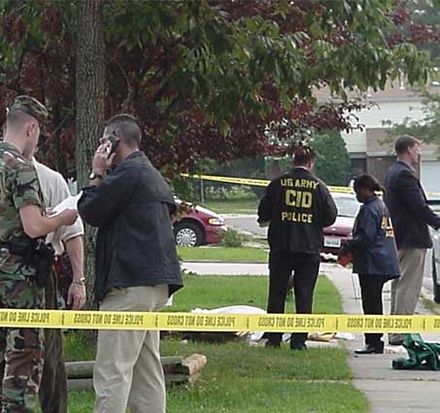
The circumstances surrounding the three recent fatalities remain under active review. When an individual dies while in the custody of, or during an interaction with, federal law enforcement, the agency is required to initiate an internal review process. This typically involves an investigation by the Office of Professional Responsibility (OPR) to determine whether agents adhered to established use-of-force and engagement policies.
The inclusion of a legally documented individual among those who died has intensified calls for increased transparency. Legal advocates have argued that the current enforcement climate creates a “chilling effect” that can lead to tragic outcomes, particularly when enforcement actions are conducted with limited oversight or in high-traffic public areas. The agency has not released specific details regarding the identities of the deceased or the exact nature of the encounters, citing ongoing investigations and privacy regulations.
Policy Implications and Future Developments
The administration’s commitment to its current immigration strategy suggests that enforcement levels are unlikely to diminish in the near term. With significant political milestones approaching, including upcoming legislative cycles, the focus remains on demonstrating tangible results in terms of apprehensions and deportations. This strategy is frequently framed by supporters as a fulfillment of campaign promises to restore the rule of law at the border and within the interior.
For those residing in the United States, understanding the scope of current enforcement powers is increasingly relevant. Legal experts note that while ICE agents possess specific authorities under federal law, individuals maintain certain rights during encounters. The American Civil Liberties Union provides guidance on interacting with law enforcement, noting that individuals have the right to remain silent and to request legal counsel if detained. As the agency continues its current trajectory, the tension between federal enforcement mandates and the rights of the public remains a critical area of concern for civil rights organizations and policymakers alike.
Interested parties are encouraged to monitor the ICE Newsroom for formal statements and subsequent policy adjustments as the investigations conclude.
Related reading