
Trump Administration Bolsters Glyphosate and Phosphorus Production Citing National Security
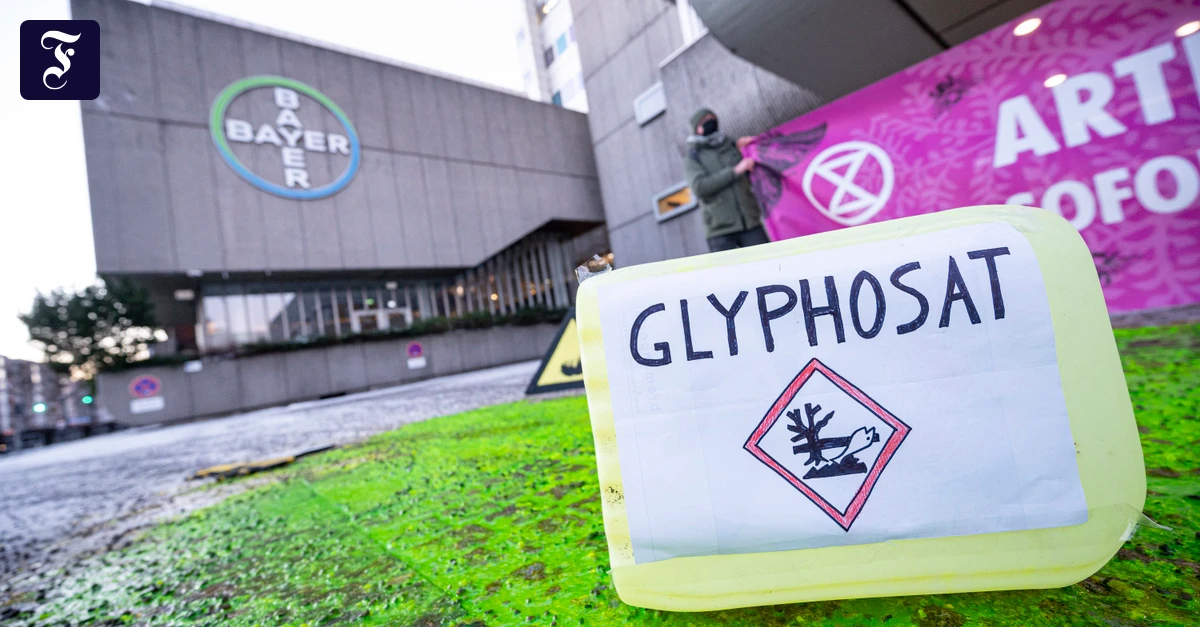
Washington D.C. – In a move drawing both support and scrutiny, President Donald Trump has invoked the Defense Production Act (DPA) to prioritize domestic production of elemental phosphorus and glyphosate-based herbicides. The executive order, signed on February 18, 2026, designates these materials as critical to both national defense and the stability of the U.S. Agricultural sector. This decision comes as Bayer, the sole domestic producer of glyphosate-based herbicides, faces ongoing legal challenges related to the safety of its Roundup product, and as concerns grow about supply chain vulnerabilities impacting essential industries.
The move effectively directs the Secretary of Agriculture, in consultation with the Secretary of War, to ensure a continued and adequate supply of these materials, potentially requiring companies to prioritize contracts and allocate resources to meet national needs. The order grants legal immunity to domestic producers complying with federal directives and empowers the USDA to direct production and control distribution if necessary. This intervention highlights the Trump administration’s continued focus on securing critical supply chains, a policy initiative gaining momentum in recent years amid geopolitical uncertainties and disruptions caused by events like the COVID-19 pandemic.
The decision to classify glyphosate and phosphorus as vital to national security stems from their dual-use nature. Although glyphosate is a widely used herbicide essential for modern agricultural practices, elemental phosphorus plays a crucial role in various defense applications, including smoke screens, illumination flares, incendiary devices, semiconductors used in radar and solar cells, and advanced battery technologies for military equipment. According to the White House fact sheet, any interruption in the supply of either material could leave the U.S. Vulnerable to hostile foreign actors. The White House emphasized the require to safeguard these inputs for both military readiness and America’s agricultural strength.
Glyphosate and the Ongoing Legal Battles
The timing of this executive order is particularly noteworthy given the protracted legal battles surrounding glyphosate, the active ingredient in Roundup. Bayer, which acquired Monsanto in 2018, has faced thousands of lawsuits alleging that Roundup causes cancer. These claims center on the argument that Bayer failed to adequately warn consumers about the potential health risks associated with the herbicide. As of February 19, 2026, Bayer has committed to paying over $7 billion over 21 years to settle a significant portion of these claims, as reported by Farm Policy News.
The Supreme Court is currently considering a case that could significantly impact the future of these lawsuits. In January 2026, the Court agreed to hear Bayer’s appeal to block thousands of state-level claims, arguing that the Environmental Protection Agency’s (EPA) approval of Roundup without a cancer warning label preempts those claims. The Trump administration previously sided with Bayer in this dispute, reversing the position taken by the Biden administration. Attorney General John Sauer recommended that the Court accept the appeal, signaling a potential favorable outcome for the company. The outcome of this case could have far-reaching consequences for Bayer and the future of glyphosate use in the United States.
Defense Production Act and its Implications
The Defense Production Act (DPA), originally enacted in 1950 during the Korean War, grants the President broad authority to mobilize domestic industries to support national defense efforts. The Act allows the President to prioritize contracts, allocate materials, and even compel companies to produce goods deemed essential for national security. While historically used to support military production during times of conflict, the DPA has been increasingly invoked in recent years to address supply chain vulnerabilities in areas such as pharmaceuticals, semiconductors, and now, agricultural inputs.
In this instance, the invocation of the DPA allows Agriculture Secretary Brooke Rollins, in consultation with Defense Secretary Pete Hegseth, to direct Bayer to prioritize production for national stockpiles and potentially secure the company against financial pressures that could lead to reduced output. The order too aims to protect domestic suppliers from going out of business, ensuring a stable supply of these critical materials. This intervention reflects a growing concern about the reliance on foreign sources for essential goods and a desire to bolster domestic manufacturing capabilities.
Political Considerations and Agricultural Support
The decision to invoke the DPA for glyphosate and phosphorus also carries significant political weight. Farmers represent a key constituency for President Trump, and securing their access to essential agricultural inputs is seen as crucial for maintaining their support. Farmers have been particularly vulnerable to the economic fallout from trade disputes, such as the trade war with China, which disrupted agricultural exports. CNBC reports that representatives of the agricultural sector have been actively lobbying for measures to ensure the continued production of glyphosate in the U.S.
Bayer had previously threatened to curtail production if it faced insurmountable legal and financial risks. The company’s willingness to provide billions in settlements to cancer claimants underscores the financial strain it has been under. The DPA intervention provides a degree of certainty for Bayer, potentially shielding it from further legal challenges and ensuring a stable market for its products. This move is likely to be viewed favorably by the agricultural community, which relies heavily on glyphosate for weed control and crop production.
Key Takeaways
- President Trump has invoked the Defense Production Act to secure domestic supplies of elemental phosphorus and glyphosate-based herbicides.
- The decision is driven by concerns about national security and the importance of these materials for both defense, and agriculture.
- Bayer, the sole domestic producer of glyphosate, is currently facing significant legal challenges related to the safety of Roundup.
- The Supreme Court is considering a case that could determine the future of Roundup lawsuits.
- The move is likely to be welcomed by the agricultural community, which relies heavily on glyphosate for crop production.
The Supreme Court is expected to issue a ruling on Bayer’s appeal in the coming months, which will likely shape the future of glyphosate litigation. The Agriculture Department, under Secretary Rollins, is now tasked with implementing the executive order and ensuring a stable supply of these critical materials. The long-term impact of this decision on the agricultural industry, the legal landscape surrounding glyphosate, and the broader effort to secure U.S. Supply chains remains to be seen.
What are your thoughts on the President’s decision? Share your comments below and let us know how this impacts you. Don’t forget to share this article with your network!


