Geneva – As the war in Ukraine approaches its four-year mark, prospects for a swift resolution appear increasingly dim, despite ongoing diplomatic efforts led by the United States. While President Donald Trump has publicly expressed optimism about potential breakthroughs in US-brokered peace talks, a growing chorus of European intelligence officials are voicing skepticism, suggesting Moscow is not genuinely committed to a rapid complete to the conflict. This divergence in perspectives underscores a complex geopolitical landscape, where negotiations may be viewed as a strategic tool rather than a sincere pursuit of peace.
The latest round of discussions, held this week in Geneva, involved envoys from the US, Russia, and Ukraine. Steve Witkoff, a Trump envoy, and Jared Kushner, the president’s son-in-law, represented the US delegation, while Vladimir Medinsky, a former Russian culture minister, led the Russian team. These talks follow earlier rounds in Abu Dhabi, which yielded no significant progress. According to reports, Moscow continues to demand substantial territorial and political concessions from Ukraine – demands Kyiv considers unacceptable, effectively amounting to surrender. The situation is further complicated by accusations from Ukraine that the Trump administration is prioritizing a deal before the US midterm elections in November, potentially at the expense of Ukrainian sovereignty.
Diverging Assessments: Washington’s Optimism vs. European Caution
The disconnect between Washington and several European capitals is becoming increasingly pronounced. Reuters reported on February 19, 2026, that five European intelligence agencies are pessimistic about the chances of a peace agreement this year. These agencies believe Russia is using the negotiations as a means to seek relief from sanctions and secure favorable trade agreements, rather than as a genuine attempt to resolve the conflict. One intelligence official described the talks as a “theater of negotiation,” suggesting they are largely performative.
This skepticism stems from a fundamental disagreement over Russia’s objectives. European intelligence assessments, as reported by Reuters, indicate that Russia’s strategic goals remain unchanged: the removal of Ukrainian President Volodymyr Zelenskyy and the establishment of Ukraine as a neutral buffer state between Russia and the West. These officials believe that even the complete capture of the Donetsk region would not satisfy Moscow’s ultimate aim of overturning Ukraine’s pro-Western government. This contrasts with President Trump’s assertions that Russian President Vladimir Putin desires a peace agreement.
Russia’s Strategic Calculus and Proxy Networks
The assessment that Russia does not urgently seek peace is reinforced by the perception that its economy is not on the brink of collapse. This allows Moscow to sustain the war effort and exert pressure on Ukraine without facing immediate domestic repercussions. The US has reportedly been targeting Russia’s network of proxy countries to limit its resources and revenue streams. According to a report by Fox News, President Trump has threatened “extremely severe consequences” for Russia if it does not commit to a deal to end the war. This strategy involves pressuring Russian allies like Iran and Venezuela to influence Putin’s decision-making.
Morgan Murphy, a former Trump White House official and current GOP Senate candidate in Alabama, explained that Trump’s actions are “really strategic.” He highlighted the US efforts to curtail Iran’s drone sales to Russia and to diminish Venezuela’s role as a Russian proxy in the Western Hemisphere. “He’s certainly taken Venezuela off the chessboard, and that that has to change Putin’s calculus, because he sees in President Trump a president who follows what he says he’s going to do,” Murphy stated. This approach suggests a broader effort to isolate Russia and limit its ability to wage war in Ukraine.
The Role of Sanctions and Economic Pressure
The effectiveness of sanctions as a tool to compel Russia to negotiate remains a subject of debate. While the US and its allies have imposed a series of economic penalties on Russia, the impact has been uneven. Russia has demonstrated a degree of resilience, finding alternative markets for its energy exports and adapting to the restrictions on financial transactions. However, the cumulative effect of sanctions, coupled with the disruption of supply chains and the loss of access to Western technology, is undoubtedly placing strain on the Russian economy. The extent to which this pressure will ultimately force a change in Moscow’s calculus remains to be seen.
European Concerns Over Negotiation Expertise
Beyond the fundamental disagreement over Russia’s intentions, European intelligence officials have also expressed concern about the limited expertise in negotiating with Moscow within Western governments. Reuters reported that one official voiced worry over the “very limited” skills in negotiating with Russia in Western Europe, including on the European side. This lack of experience could hinder efforts to achieve a favorable outcome in any potential peace talks. Volodymyr Zelenskyy has called for a more active role for Europe in the negotiations, but the capacity of European diplomats to effectively engage with Russia remains a question mark.
The situation is further complicated by the differing priorities and perspectives within Europe itself. Some countries, particularly those bordering Russia, are more hawkish and advocate for a stronger stance against Moscow. Others are more inclined towards dialogue and seek to avoid further escalation. This internal division within Europe could weaken its negotiating position and make it more difficult to forge a unified approach to the conflict.
The Shifting Battlefield Dynamics
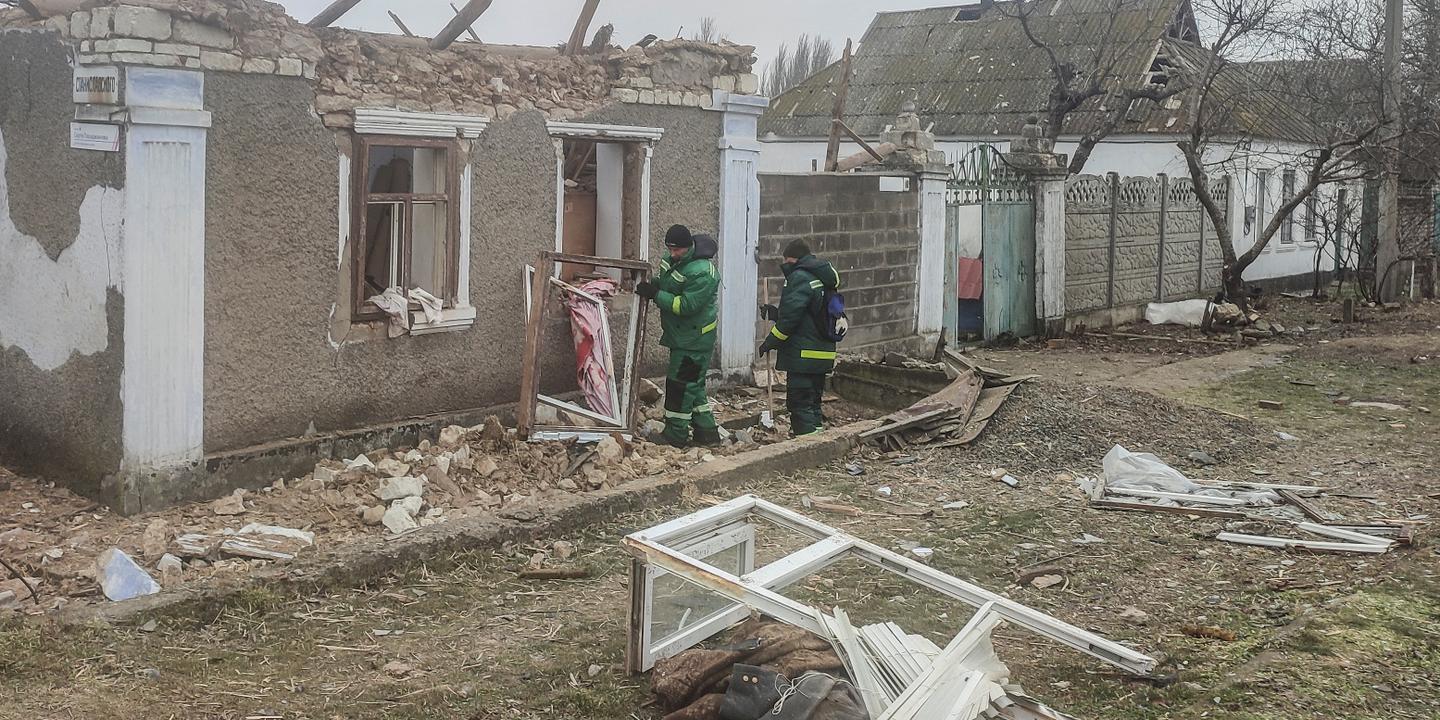
While diplomatic efforts continue, the situation on the ground in Ukraine remains fluid and volatile. Recent reports suggest that Russia has increased its reliance on guided aerial bombs as a result of limitations on its use of precision-guided munitions, potentially due to disruptions in supply chains. This shift in tactics could lead to increased civilian casualties and further destruction of infrastructure. The ongoing fighting underscores the urgent need for a political solution, but also highlights the challenges of achieving one in the midst of active hostilities.
The war in Ukraine has had a profound impact on the geopolitical landscape, reshaping alliances and prompting a reassessment of security strategies across Europe. The conflict has also exposed vulnerabilities in the global energy market and highlighted the importance of diversifying energy sources. The long-term consequences of the war are likely to be far-reaching and will continue to shape international relations for years to come.
As the conflict enters its fourth year, the path to peace remains uncertain. The diverging assessments between Washington and European intelligence agencies, coupled with Russia’s unwavering strategic objectives, suggest that a swift resolution is unlikely. The next key development to watch will be the outcome of the ongoing diplomatic efforts in Geneva and any potential shifts in Russia’s military strategy. The international community must remain vigilant and committed to finding a peaceful solution that respects the sovereignty and territorial integrity of Ukraine.
What are your thoughts on the current state of negotiations? Share your perspectives in the comments below, and please share this article with your network to keep the conversation going.
Worth a look