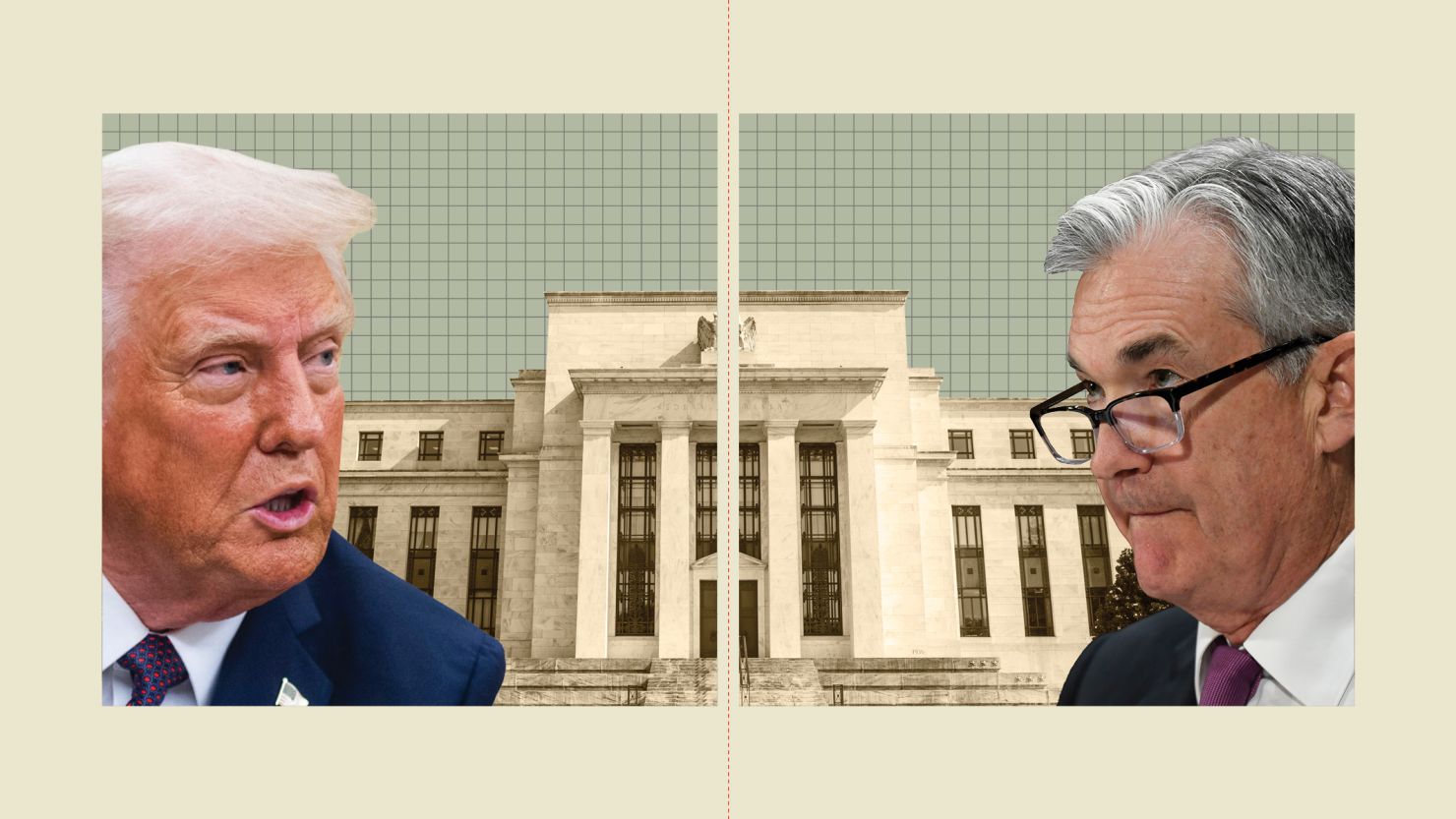
As the global economic landscape navigates a period of significant transition, the interplay between executive policy preferences and central bank independence has returned to the forefront of financial discourse. President Donald Trump has recently reiterated his preference for lower interest rates, a stance that underscores the ongoing tension between political objectives and the monetary policy mandates governing the Federal Reserve.
For market participants and analysts, the core question remains how the Federal Reserve—under its current leadership—will balance these external pressures with its statutory obligation to ensure stable prices and maximum employment. While the executive branch may signal its desire for accommodative monetary policy to stimulate growth, the decision-making authority rests firmly with the Board of Governors and the Federal Open Market Committee (FOMC).
The Mandate of Central Bank Independence
The Federal Reserve operates under a dual mandate established by Congress: to promote maximum employment and stable prices. This framework is designed to function independently of short-term political cycles, allowing the central bank to adjust interest rates based on macroeconomic data rather than political expediency. The historical consensus among economists is that this independence is vital for maintaining long-term inflation expectations and market confidence.

In the current environment, the central bank’s approach to interest rate adjustments is under intense scrutiny. Market observers are closely monitoring how the Federal Reserve navigates the “long-term interest rate stability” objective while acknowledging the reality of political discourse. This delicate balance is a hallmark of modern monetary policy, where the central bank must provide clear, consistent signals to avoid market volatility.
Policy Signaling and Market Expectations
Effective communication is perhaps the most powerful tool in the central bank’s arsenal. By providing transparent guidance, the Federal Reserve helps align market expectations with its policy trajectory. However, when there is a perceived divergence between political pressure and institutional policy, market uncertainty can increase, potentially leading to fluctuations in bond yields and equity prices.
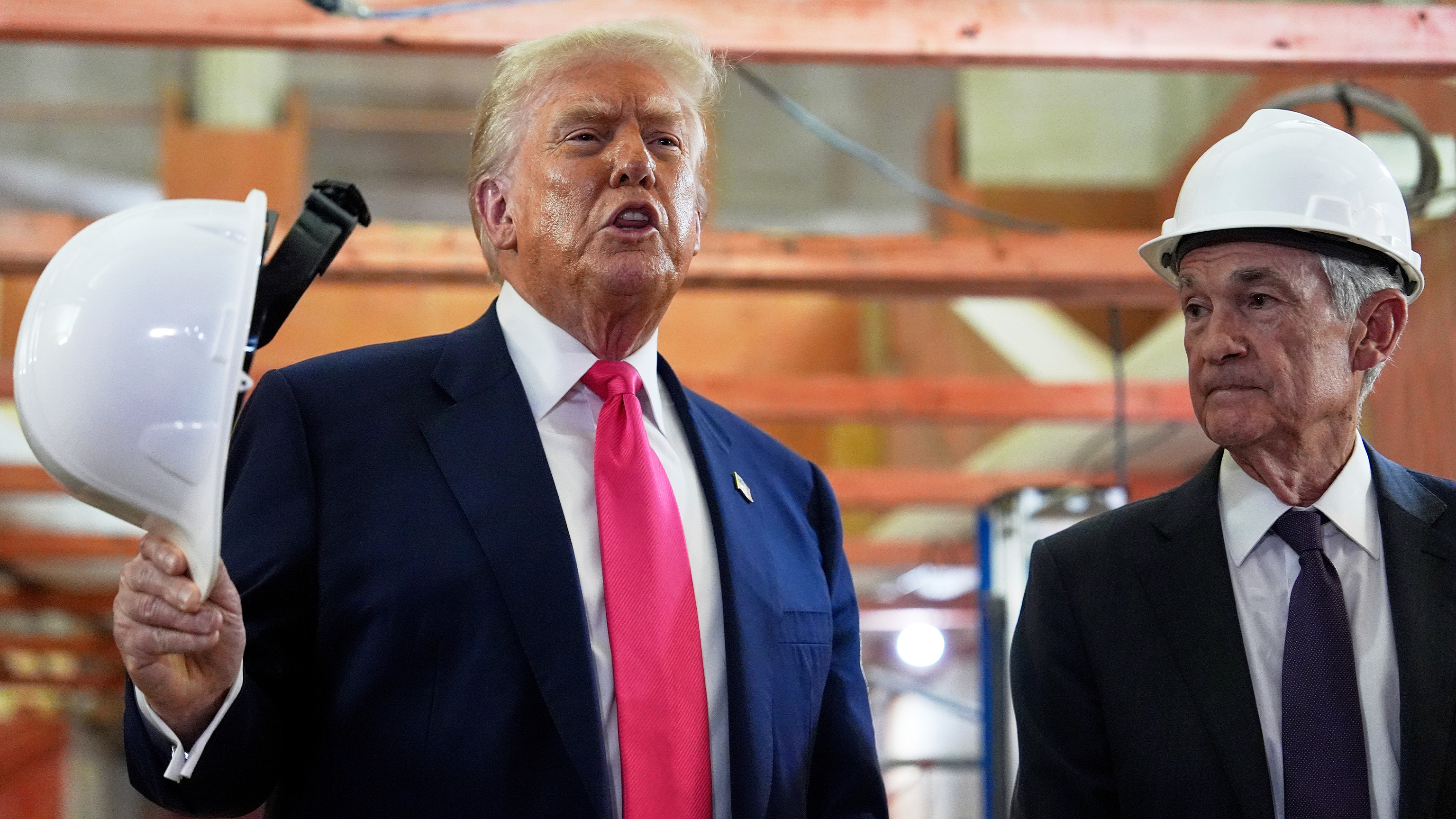
Investors often look to the minutes of the FOMC meetings and official statements from the chair for clarity on future rate paths. As the central bank evaluates the necessity of adjusting its policy stance, it must weigh the potential for economic expansion against the risks of inflationary pressure. The goal remains to achieve a “soft landing”—a scenario where inflation is brought under control without triggering a significant economic contraction.
Global Economic Implications
The policies enacted by the Federal Reserve do not exist in a vacuum. As the provider of the world’s primary reserve currency, U.S. Monetary policy has profound ripple effects on global capital flows, emerging market stability, and international trade. Organizations such as the International Monetary Fund (IMF) frequently emphasize the importance of a cautious and data-dependent approach to monetary policy, particularly during periods of global economic fragility.
For international investors, the primary concern is the predictability of U.S. Policy. When the trajectory of interest rates is clear, capital can be allocated efficiently. When that trajectory is obscured by political friction, the result is often increased risk premiums across global financial markets. Maintaining stability in the U.S. Financial system is, a matter of global importance.
Looking Ahead: The Path of Monetary Policy
The Federal Reserve’s upcoming policy meetings will be critical in shaping the economic narrative for the remainder of the year. Market participants will be looking for concrete evidence that the central bank is adhering to its data-driven framework, regardless of external commentary. The focus will likely remain on key indicators such as consumer price index (CPI) reports, labor market data, and wage growth figures.
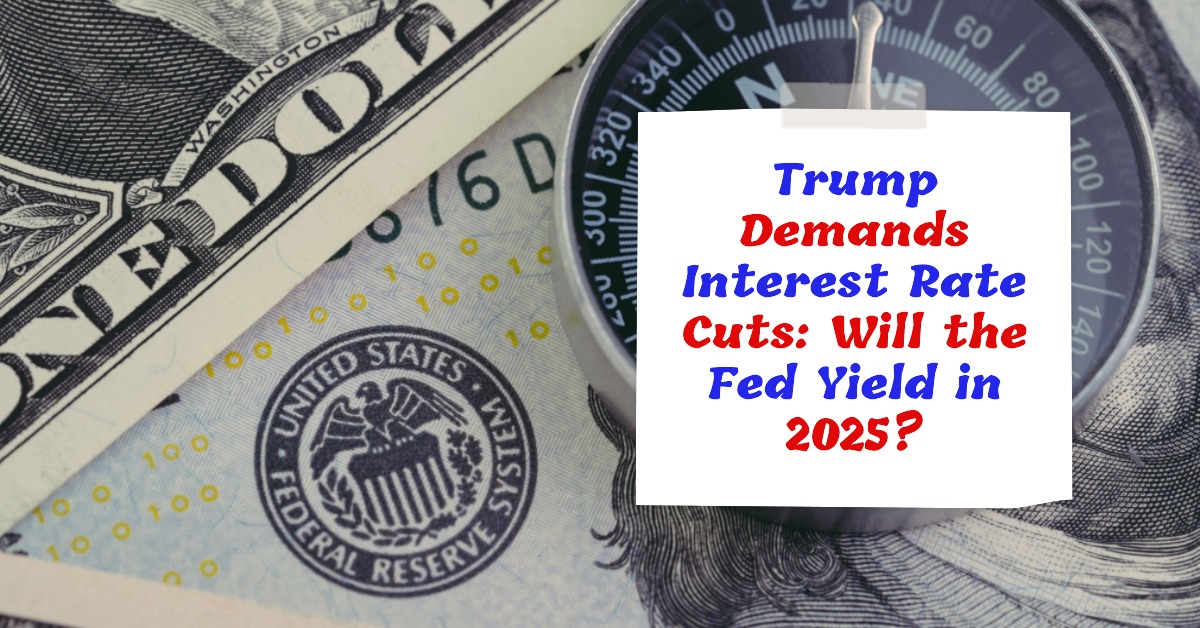
As we move toward the next scheduled FOMC meeting, the priority for the central bank will be to demonstrate consistency and resolve. For those following these developments, official updates, meeting minutes, and policy statements can be found on the official Federal Reserve website. These documents remain the definitive source for understanding the rationale behind any changes in interest rate policy.
We invite our readers to join the conversation on these critical economic developments. How do you believe the current policy environment will impact your investment strategy? Share your thoughts in the comments section below or join the discussion on our social media channels.
Related reading
- Solly Malatsi Denies ICT Policy Adjustments Favor Starlink Entry
- Best Touring Motorcycles & Scooters of 2026: Expert Buying Guide
- Antiphospholipid Syndrome Management Shifts Toward Individualized Care (archyworldys.com)
- BP Q2 Profit Hits $5.7 Billion Amid Trump Criticism of Big Oil Windfalls (time.news)