Battle Lines Drawn: Trump Demands Special Counsel Testimony as Legal Battles Continue
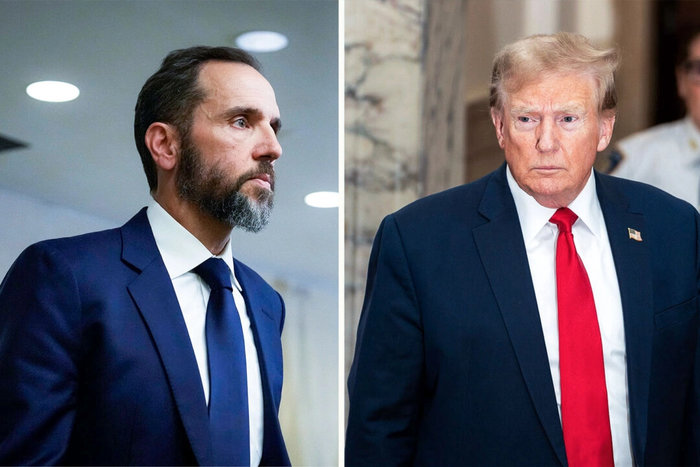
The escalating legal drama surrounding former President Donald Trump took a new turn this week as he publicly called for Special Counsel Jack Smith to testify, while concurrently criticizing the investigations led by Smith. This demand comes amidst ongoing efforts by house Judiciary Committee chairman Jim Jordan to compel Smith’s testimony and access to documents related to the cases against Trump. The situation highlights a deepening partisan divide and raises questions about the transparency and motivations behind the investigations.
The Core of the Conflict
Trump, facing charges in both Florida (regarding classified documents) and Washington D.C. (challenging the 2020 election results), has consistently labeled the investigations a “politically motivated witch hunt.” He recently stated he’d “rather see [Smith] testify publicly, because there’s no way he can answer the questions,” suggesting a belief that Smith’s testimony would expose flaws in the prosecution.
Chairman jordan,echoing these concerns,issued a subpoena to Smith requesting testimony and documentation “specifically” related to the prosecution of Trump and his co-defendants. This move follows Smith’s own offer to testify publicly before the House Judiciary Committee – an offer Jordan rejected.
Smith’s Position & Democratic Pushback
Jack Smith, through his attorney Peter Koski, has expressed a willingness to engage with lawmakers. He offered to appear later this month to “discuss his work and clarify misconceptions” surrounding the investigations. koski emphasized Smith’s initial offer of an open hearing, lamenting the rejection and the denial of direct access to information for the American public.
This stance is strongly supported by Democrats on the committee. Ranking Member Jamie Raskin defended Smith’s conduct, asserting that the special counsel adhered to established legal principles throughout the inquiry into the January 6th insurrection and attempts to overturn the 2020 election. Raskin questioned the GOP’s insistence on a closed-door session,implying a desire to selectively control the narrative.
Key Developments & Legal Maneuvering
Several key events underscore the intensity of this legal and political battle:
* Trump’s Attorneys Seek to Suppress Smith’s Report: Trump’s legal team is actively attempting to prevent the public release of Smith’s final report on the classified documents case.They argue its publication would legitimize what they deem “unlawful criminal investigations.”
* Previous Indictment Dismissal: Judge Aileen Cannon previously dismissed the indictment brought by Smith in the classified documents case, a decision the DOJ appealed before ultimately dropping the case following Trump’s election victory.
* Smith’s Prior Defense of Work: In January, Smith released a report to the Department of Justice defending the integrity of his investigation, a move seemingly preempting accusations of bias.
* Jordan’s Subpoena: The subpoena from Jordan represents a critically important escalation,signaling a formal attempt to scrutinize Smith’s actions and possibly uncover evidence of political motivation.
Why This Matters: Implications for the Rule of Law
This unfolding situation carries significant implications for the rule of law and public trust in the justice system. The clash between Trump, his allies, and Special Counsel Smith raises fundamental questions about:
* Executive Privilege & Accountability: The extent to which a former president can challenge investigations into their conduct.
* political Interference in Justice: Whether investigations are being unduly influenced by partisan politics.
* Transparency & Public Access: The balance between protecting the integrity of investigations and ensuring public accountability.
the outcome of this dispute – whether Smith testifies, the extent to which documents are released, and the ultimate resolution of the legal challenges – will undoubtedly shape the future of legal and political discourse in the United States. it’s a situation demanding careful observation and a commitment to upholding the principles of fairness and due process.