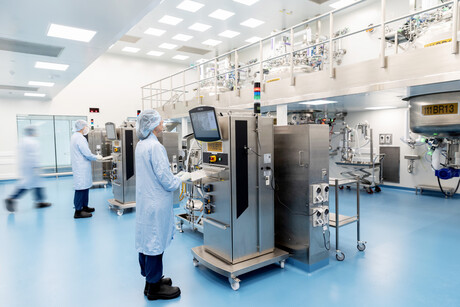
australia Bolsters Global Health Security with $1 Billion Vaccine & Antivenom Facility
Australia has cemented its position as a global leader in biopharmaceutical manufacturing with the opening of a state-of-the-art, $1 billion facility dedicated too cell-based influenza vaccines adn antivenom production. Operated by CSL Seqirus in Melbourne, this facility represents a significant leap forward in pandemic preparedness and public health security, not just for Australia, but for the world.
This isn’t simply about building a factory; it’s about establishing end-to-end manufacturing capability for advanced vaccines – a capacity currently held by only three countries globally. Australia now stands alongside thes nations, poised to respond rapidly and effectively to emerging health threats.
A New Era in Vaccine Technology
Traditional flu vaccines rely on egg-based production,a process that can be slow and susceptible to mutations. This new facility utilizes cell-based technology, offering several key advantages:
* Faster Production: Cell-based manufacturing substantially reduces production timelines, crucial during a pandemic.
* Improved Accuracy: It minimizes the risk of vaccine-virus mismatch, leading to more effective protection against circulating strains.
* Scalability: The facility is designed to meet both domestic demand and export requirements, supporting a $300 million annual supply chain.
* Pandemic Response: Capable of producing over 150 million vaccine doses in the initial wave of a pandemic, the facility is a critical asset for global health security.
The facility will initially focus on seasonal influenza vaccines, but its advanced capabilities position it to quickly adapt to emerging threats and develop vaccines for novel strains. This adaptability is paramount in a world facing increasingly frequent and unpredictable outbreaks.
Beyond Influenza: A Global Antivenom Hub
The Melbourne facility isn’t solely focused on influenza. It uniquely houses the manufacturing capabilities for all 11 Australian antivenoms – a vital resource for treating venomous bites and stings. This consolidates production, ensuring a reliable and readily available supply of these life-saving treatments.
Furthermore, the facility will also produce the human Q-Fever vaccine, addressing another significant public health concern. This multi-faceted approach underscores Australia’s commitment to comprehensive health protection.
A Legacy of Innovation
CSL Seqirus has a long and distinguished history of innovation in vaccine progress, dating back to the 1919 Spanish Flu pandemic. This new facility builds upon that legacy, representing a significant investment in future research and development.
“This facility will build a platform for our next wave of innovation in vaccines and unique health challenges, setting a new standard of care,” stated Dave Ross, Managing Director of CSL Seqirus. The facility isn’t just about meeting current needs; it’s about anticipating and preparing for the health challenges of tomorrow.
Evergreen Section: The Future of Pandemic Preparedness
The COVID-19 pandemic exposed vulnerabilities in global supply chains and highlighted the critical need for regional manufacturing capacity. investing in facilities like the CSL Seqirus plant is a proactive step towards building a more resilient and secure future.
The shift towards cell-based vaccine technology is notably significant. This approach offers greater flexibility, speed, and accuracy compared to traditional methods, enabling a faster and more effective response to emerging infectious diseases.
Looking ahead, we can expect to see further advancements in vaccine technology, including mRNA and other innovative platforms. Australia’s commitment to biopharmaceutical manufacturing positions it to be at the forefront of these developments, contributing to global health security for decades to come.The key takeaway is that proactive investment in domestic manufacturing capacity is no longer a luxury, but a necessity for safeguarding public health.
FAQ: Cell-Based Flu Vaccines & Australian Manufacturing
1. What are cell-based influenza vaccines and how are thay different from traditional flu vaccines?
Cell-based flu vaccines are grown in mammalian cells rather than eggs. This process is faster, more scalable, and reduces the risk of vaccine-virus mismatch, potentially leading to better protection.
2. Why is the new CSL Seqirus facility crucial for Australia’s health security?
The facility provides Australia with end-to-end capability for advanced flu vaccine manufacturing, reducing reliance on overseas suppliers and ensuring a secure domestic supply, especially during a pandemic.
3. How will this facility impact the Australian economy?
The facility supports a $300 million annual supply chain and creates high-skilled jobs in the biopharmaceutical sector, boosting economic growth.
**4. What antivenoms
- New HIV Drug Shows Promising Results in Clinical Trials
- HIRA Online Academy 2026: Health Insurance Listing Education for Medical Procedures & Materials
- Katarzyna Chrzanowska Opens Up About Her Husband’s Tragic Death and Her Own Near-Death Experience (world-today-news.com)
- DG ISPR: Good Governance Critical for Pakistan’s Security and Stability (time.news)