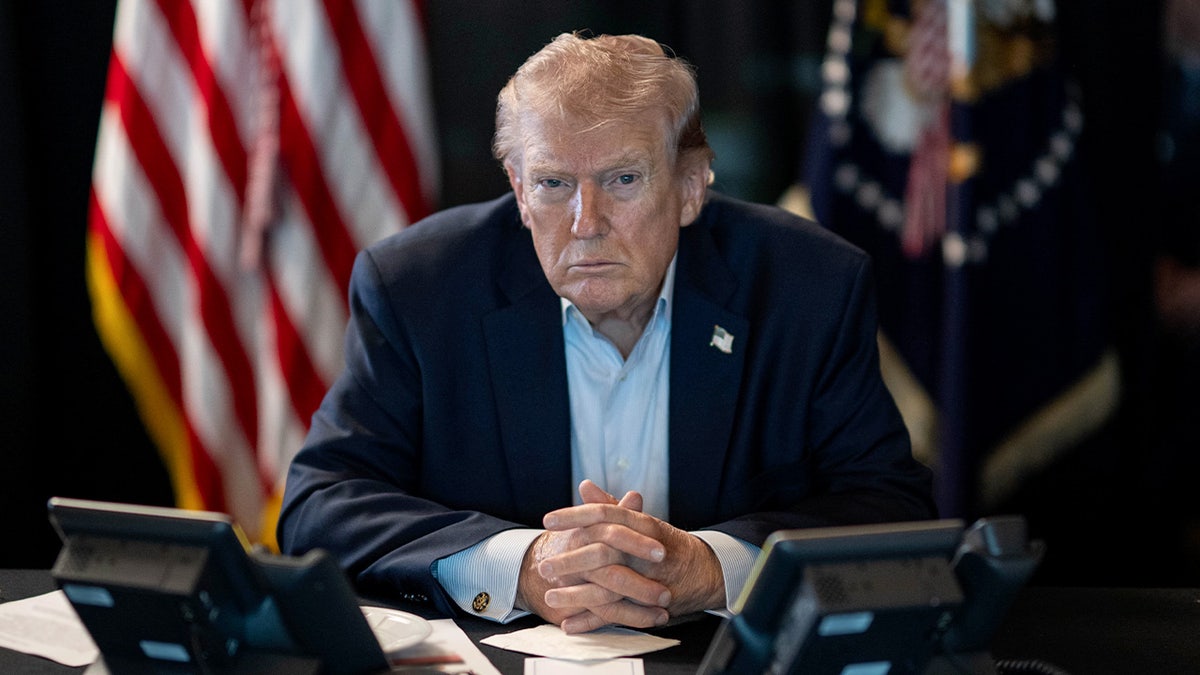
Donald Trump has denied that the United States is engaging in improper or unauthorized financial transfers to Iran, a stance that underscores his ongoing criticism of the Biden administration’s recent use of frozen Iranian assets to facilitate prisoner exchanges. The former president has framed these diplomatic maneuvers as “payoffs” that undermine long-standing U.S. sanctions policies and weaken the nation’s geopolitical leverage in the Middle East.
The dispute centers on the complex legal and diplomatic mechanisms used to release billions of dollars in Iranian funds held in foreign accounts. While the Biden administration maintains these transfers are strictly regulated, non-cash-based agreements designed to secure the release of American citizens, Trump and several congressional leaders argue that such actions constitute a de facto payment to a state sponsor of terrorism.
The Controversy Surrounding Frozen Iranian Assets
The current political friction stems from the Biden administration’s management of billions of dollars in Iranian assets currently held in international banks. A primary point of contention involves approximately $6 billion in Iranian funds that were held in South Korea. These funds were released as part of a negotiated deal to facilitate a prisoner swap between the United States and Iran in late 2023.

According to reports from the Associated Press, the funds were not direct cash payments to the Iranian government but were instead restricted to humanitarian purposes, such as medicine and food. However, critics, including Donald Trump, have argued that the distinction is negligible, asserting that once the funds are accessible to the Iranian state for any purpose, the U.S. has effectively yielded to extortion.
The release of these assets has reignited debates over the efficacy of the Joint Comprehensive Plan of Action (JCPOA), commonly known as the Iran nuclear deal. While the 2015 agreement sought to limit Iran’s nuclear capabilities in exchange for sanctions relief, the subsequent U.S. withdrawal from the deal in 2018 under the Trump administration shifted the strategy toward a policy of “maximum pressure.”
Historical Context: The $1.7 Billion Settlement
To understand the current denials and accusations, it is necessary to examine the historical precedent of U.S.-Iran financial disputes. One of the most significant instances occurred in 2016, involving a $1.7 billion settlement related to a long-standing legal dispute over a failed arms deal from the 1970s. While the settlement was finalized during the Obama administration, it has remained a focal point in discussions regarding U.S. financial obligations to Tehran.

The settlement included $400 million in cash, which became a subject of intense scrutiny when it was revealed that the payment was part of a decades-old legal obligation rather than a contemporary diplomatic concession. Trump has frequently referenced this settlement to argue that the U.S. has a history of being “taken advantage of” by Iranian negotiations, using it as a baseline to criticize current administration policies.
The distinction between a legal settlement for historical claims and a diplomatic “payment” for current concessions is at the heart of the current political divide. Trump’s denial of improper payments refers to his assertion that his own administration’s actions were strictly legal and that any current administration’s movement of funds is an illegitimate departure from strict sanctions enforcement.
Comparing U.S. Approaches to Iran Financial Policy
The divide in American foreign policy regarding Iran can be categorized into two distinct philosophies: the “Maximum Pressure” campaign and the “Engagement and De-escalation” approach. These strategies differ fundamentally in how they view the utility of financial sanctions and the role of frozen assets.
The following table outlines the core differences in how these two political approaches handle Iranian financial leverage:
| Feature | Maximum Pressure (Trump Era) | Engagement/De-escalation (Biden Era) |
|---|---|---|
| Primary Objective | Total economic isolation to force regime change or nuclear concessions. | Targeted sanctions to prevent nuclear escalation and secure prisoner releases. |
| Use of Frozen Assets | Maintain absolute freeze to maximize economic leverage. | Utilize as diplomatic tools for humanitarian and prisoner exchange deals. |
| Sanctions Philosophy | Broad-based secondary sanctions on all entities trading with Iran. | Selective sanctions targeting specific military and nuclear entities. |
| View of JCPOA | Viewed as a failed agreement that provides Iran with resources. | Viewed as a framework that requires revitalization or modification. |
The Role of International Sanctions and OFAC
The ability of the United States to control these funds rests heavily on the authority of the Office of Foreign Assets Control (OFAC). OFAC is the division of the U.S. Department of the Treasury responsible for administering and enforcing economic and trade sanctions based on U.S. foreign policy and national security goals.
When funds are “frozen,” they are typically held in foreign jurisdictions under the influence of U.S. sanctions. For example, when South Korea holds Iranian assets, it does so in compliance with U.S. Treasury directives. The legal complexity arises when the U.S. government authorizes the release of these funds. Under OFAC regulations, such releases must be meticulously documented to ensure they do not violate existing prohibitions against providing “material support” to sanctioned entities.
The debate over whether these releases constitute “payments” is essentially a debate over the interpretation of “material support.” Proponents of the Biden administration’s policy argue that since the funds are earmarked for non-military, humanitarian use, they do not violate the spirit of the sanctions. Opponents, including Trump, argue that any liquidity provided to the Iranian state, regardless of the intended use, strengthens the regime’s ability to function and bypass other sanctions.
Why These Financial Maneuvers Matter for Global Security
The handling of Iranian assets has implications that extend far beyond the borders of the United States and Iran. These transactions influence the global banking system and the willingness of third-party nations to adhere to U.S. sanctions regimes.
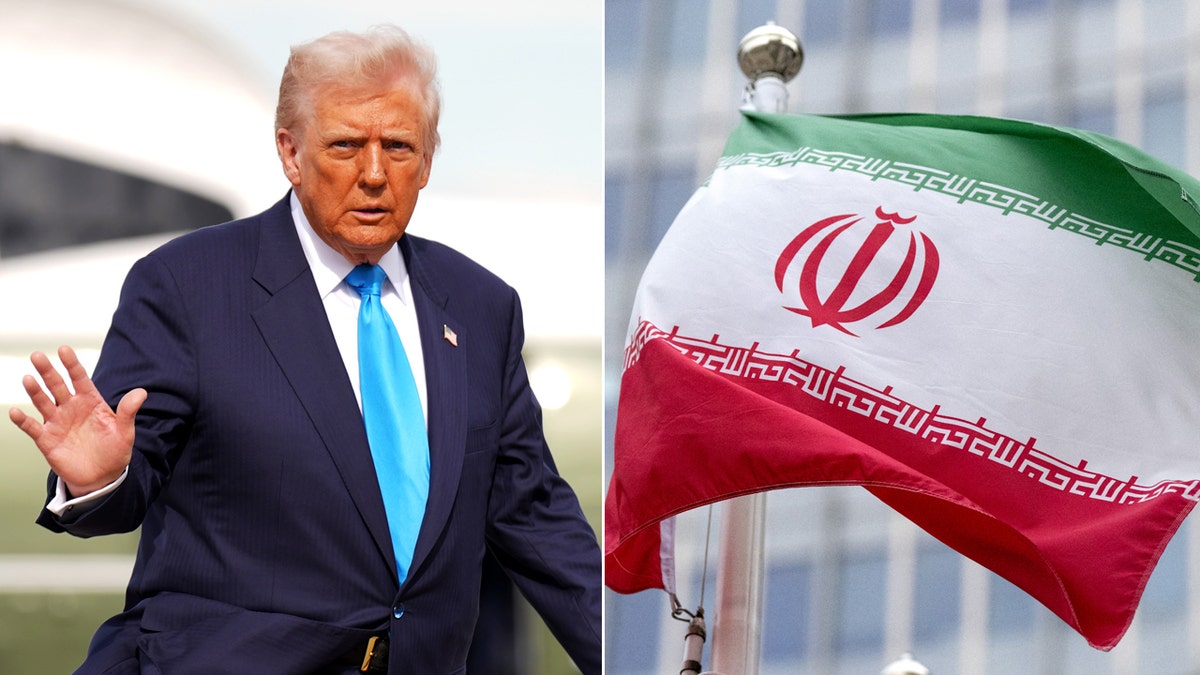
1. Global Banking Compliance: If the U.S. frequently utilizes frozen assets as bargaining chips, other nations may become hesitant to host such funds, fearing they will be caught in the middle of shifting U.S. diplomatic priorities. This could lead to a fragmentation of the international financial system.
2. Regional Stability: The release of funds can have immediate impacts on regional power dynamics. In the Middle East, the availability of even restricted funds can influence Iran’s ability to fund proxy groups, even if the funds are technically designated for humanitarian aid. This remains a primary concern for allies such as Israel and Saudi Arabia.
3. Precedent for Future Negotiations: Every time a sum of frozen assets is released, it sets a precedent for future negotiations with other sanctioned states, such as North Korea or Russia. The international community watches these developments to determine if sanctions are a permanent barrier or a negotiable asset.
As the 2024 election cycle approaches, the issue of Iran’s financial leverage is expected to remain a central theme in debates over national security and the administration’s ability to manage global threats through economic statecraft.
The next significant checkpoint regarding this issue will be the upcoming reports from the U.S. Congressional committees tasked with oversight of Treasury Department sanctions enforcement, where lawmakers are expected to demand further transparency on the specific conditions attached to the release of Iranian funds.
What are your thoughts on the use of frozen assets as diplomatic tools? Share this article and join the conversation in the comments below.
Keep reading