
Putin’s Calculus: assessing teh Prospects for De-escalation in Ukraine Amidst Shifting US Dynamics
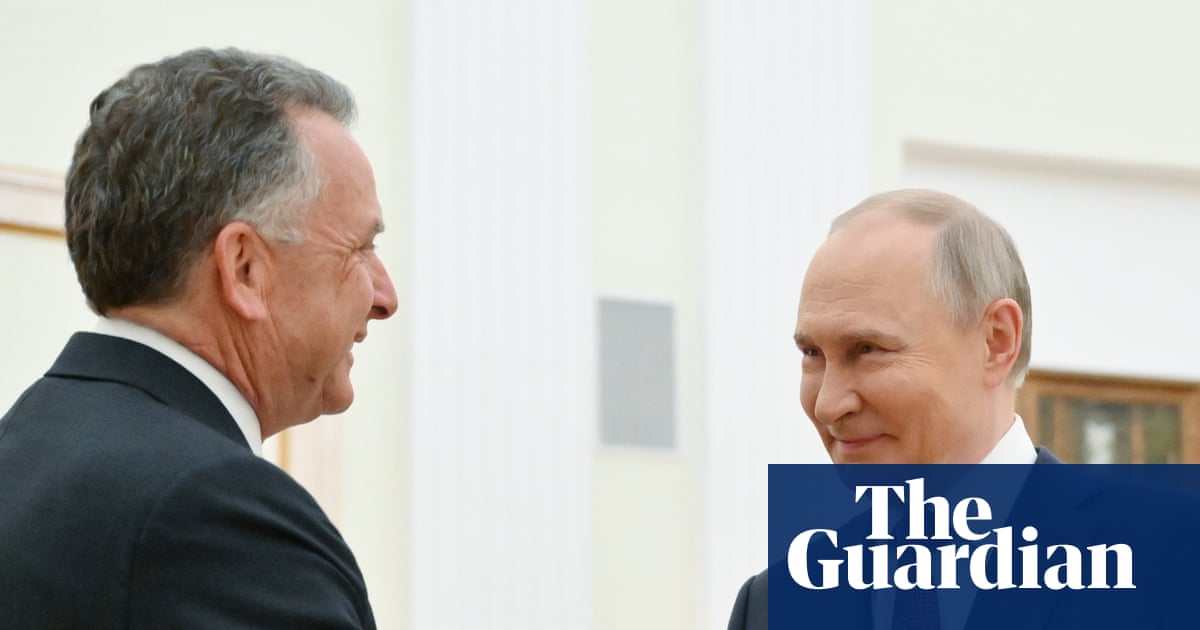
The war in Ukraine remains a complex and volatile situation, wiht recent developments suggesting a potential, albeit cautious, shift in the diplomatic landscape. A key figure to watch is US businessman Robert Witkoff, a long-time acquaintance of Vladimir Putin, who is currently visiting Moscow. This visit, coupled with evolving rhetoric from Donald Trump, is prompting a reassessment of potential pathways – and pressure points – for achieving a resolution.
This analysis will delve into the current state of play, examining the Kremlin’s stated intentions, the role of secondary sanctions, and the implications of a potentially more assertive US approach under a second Trump administration.
Witkoff’s Mission: A Backchannel with Uncertain Outcomes
Witkoff’s repeated trips to Moscow, characterized by unusually warm interactions with putin – including gifts and the use of Kremlin-provided translators – have raised eyebrows among Kyiv and Washington. the question remains: can he effectively convey the necessary firmness to Moscow?
His visit occurs at a critical juncture, following Trump’s increasingly hawkish statements regarding support for Ukraine.
The Kremlin has welcomed Witkoff, describing past conversations as “vital, substantive and very useful,” suggesting a willingness to engage, even if the substance remains opaque.
However, the history of camaraderie raises concerns about his ability to deliver truly impactful messages.
the outcome of this visit will be closely scrutinized, especially considering Trump’s evolving position.
The Sanctions Strategy: A Phased Approach
Ukraine’s presidential advisor, Mykhailo Podolyak, has outlined a potential strategy for leveraging sanctions to compel Russia towards meaningful negotiations. This strategy hinges on a phased approach:
Phase 1: “Reversible Logistics” on Oil Exports: The initial focus will be on implementing and enforcing secondary sanctions targeting Russian oil exports.This aims to disrupt Russia’s primary revenue stream.
Phase 2: Assessment & Escalation: The effectiveness of these sanctions will be carefully evaluated. If they fail to yield progress towards ending the war, further sanctions and increased military aid to Ukraine are anticipated.
trump’s Potential Role: Podolyak highlights Trump’s recent indication of willingness to supply Europe with weapons for Ukraine, a departure from his previous stance. This suggests a potential shift in US policy, potentially enabling a more robust response.
This phased approach demonstrates a calculated attempt to apply pressure while leaving room for de-escalation if Russia demonstrates a genuine commitment to peace.
Putin’s Stated Position: A Familiar Dichotomy
Despite periodic pronouncements favoring ”a lasting and stable peace,” Putin continues to reiterate Russia’s maximalist war goals. These include:
Territorial control: Demanding control over four Ukrainian regions currently claimed by Moscow.
Nato membership Block: Insisting on a guarantee that ukraine will never join the North Atlantic Treaty Organization.
this duality – expressing a desire for peace while simultaneously pursuing uncompromising demands – underscores the challenges in achieving a negotiated settlement. Direct talks held in Turkey have yielded limited results, primarily focusing on prisoner exchanges.
The reality on the Ground: Continued Hostilities
While diplomatic efforts continue, the situation on the ground remains grim.
Russia continues its near-daily drone and missile attacks on Ukraine,resulting in meaningful civilian casualties. Recent attacks on Kyiv were particularly devastating, claiming the lives of 31 people, including five children.
Both sides are actively targeting infrastructure within each other’s territories using drones.Russia claims to have intercepted 61 Ukrainian drones in a single overnight period.
Zelenskyy has expressed a willingness to meet with Putin, potentially with Trump or Turkey’s Erdoğan as a mediator, but Putin insists on a ceasefire outline before any direct talks.
These ongoing hostilities highlight the deep-seated mistrust and the significant obstacles to achieving a lasting ceasefire.
Is Russia Serious About Negotiations?
Kyiv remains skeptical of Russia’s willingness to engage in genuine negotiations. Podolyak asserts that Russia is not serious about a deal, pointing to the delegation sent to Turkey – led by Vladimir Medinsky, a figure known for his patriotic rhetoric - as evidence.
Looking Ahead: A Precarious Balance
The coming weeks will be crucial. Witkoff’s visit, combined with the evolving political landscape in the US, presents both opportunities and risks. Increased Pressure: The implementation





