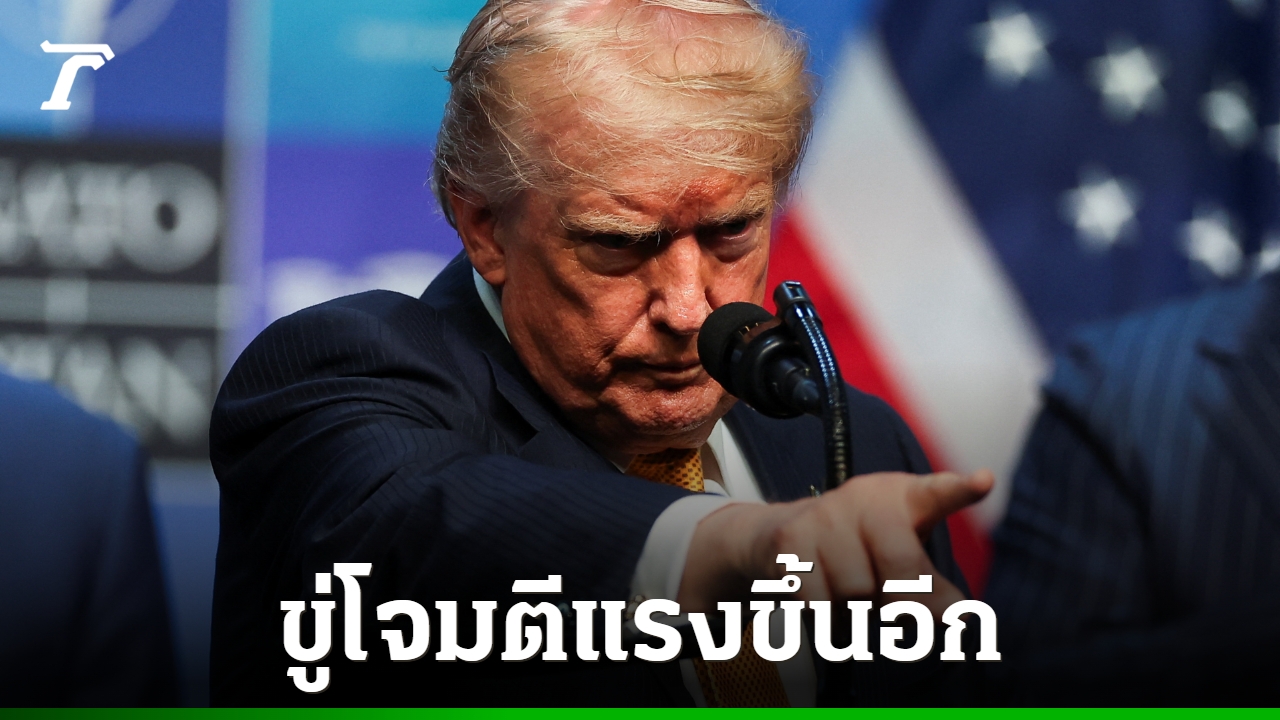
United States officials have signaled an increasingly assertive posture regarding maritime security in the Strait of Hormuz, with administration leaders warning of escalated military responses to ongoing regional instability. The tension, which centers on the protection of commercial shipping lanes and the broader containment of Iranian nuclear ambitions, follows a series of reported strikes and counter-strikes between U.S. forces and Iranian-aligned groups in the Middle East.
The Strait of Hormuz remains a critical global artery, with approximately 20% of the world’s total petroleum liquids passing through the narrow waterway daily, according to data from the U.S. Energy Information Administration. Any disruption to this passage, whether through military engagement or threats of blockage, carries immediate consequences for global energy markets and international trade stability.
Strategic Shifts and the Status of Military Agreements
Recent reports indicate a breakdown in informal understandings aimed at de-escalating tensions between Washington and Tehran. Following localized attacks on U.S. military installations, the administration has moved to abandon previous frameworks that sought to maintain a fragile, albeit limited, peace. This pivot reflects a stated policy shift toward a more robust deterrence strategy in the Persian Gulf.

The U.S. position, as articulated in various policy statements, emphasizes that the primary objective of these military maneuvers is to ensure the total non-proliferation of nuclear capabilities within Iran. Officials have stated that the threshold for U.S. engagement has lowered, with public warnings suggesting that future provocations will be met with a response significantly disproportionate to the initial act, intended to discourage further escalation by regional adversaries.
The Economic Impact of Regional Instability
The volatility in the Strait of Hormuz has had an immediate, measurable impact on international oil prices. As military activity has increased, commodity markets have responded to the perceived risk of supply chain interruptions. The International Energy Agency has frequently noted that geopolitical friction in the Middle East is a primary driver of price fluctuations for Brent and West Texas Intermediate crude, as traders hedge against the possibility of a prolonged closure of the chokepoint.

While the U.S. military presence in the region is designed to provide a deterrent, the ongoing exchange of fire has created a climate of uncertainty for shipping companies. Major maritime insurers and logistics providers are currently monitoring the situation for potential adjustments to transit premiums, which could further increase the cost of energy imports for nations in Asia and Europe that rely heavily on oil transported through the region.
Regional Security and Diplomatic Outlook
The current situation underscores the complexity of the U.S.-Iran relationship, characterized by a lack of formal diplomatic channels and a heavy reliance on military signaling. The administration’s public declarations of a 20-fold response to attacks have been interpreted by regional observers as an effort to restore credibility in its deterrence policy after months of reported harassment of commercial vessels in the Gulf.
Despite the rhetoric of escalation, there remains no official declaration of war. Instead, the current state of affairs is best described as a high-stakes tactical standoff. Military analysts frequently point to the danger of miscalculation; when two opposing forces operate in close proximity within a confined geography like the Strait of Hormuz, the risk of a minor incident spiraling into a broader regional conflict remains a significant concern for the international community.
Next Steps in the Conflict Cycle
The next phase of this standoff will likely be defined by the frequency and intensity of future maritime encounters. All eyes remain on the U.S. Central Command (CENTCOM), which typically provides the most reliable updates regarding operational movements and incidents in the region. Interested parties can monitor official releases via the CENTCOM website for verified information on ship movements and defensive postures.
As the situation develops, there is no immediate timeline for a return to diplomatic negotiations. The focus for the coming weeks will remain on whether these military warnings successfully discourage further maritime interference or if the cycle of retaliation continues to intensify.