
As the international community continues to monitor the complex landscape of nuclear non-proliferation, recent rhetoric surrounding U.S.-Iran relations has once again brought the topic of uranium enrichment to the forefront of global discourse. Former President Donald Trump has recently asserted that the United States possesses sufficient domestic capabilities to bypass the need for formal agreements to secure uranium supplies. This position comes at a time of heightened sensitivity regarding Tehran’s nuclear program, which remains under the scrutiny of the International Atomic Energy Agency (IAEA).
The core of this debate hinges on the status of Iran’s nuclear stockpile and the ongoing efforts by global powers to maintain the integrity of the Joint Comprehensive Plan of Action (JCPOA). While political figures may offer varying perspectives on the necessity of diplomatic frameworks, the technical realities of nuclear fuel cycles and international sanctions remain governed by established legal and regulatory standards. For a global audience, understanding these nuances is essential to parsing the difference between campaign-trail rhetoric and the rigid requirements of international security policy.
According to the latest reports from the International Atomic Energy Agency, Iran continues to enrich uranium at levels that have drawn significant concern from Western nations. The agency’s periodic updates serve as the primary verified benchmark for assessing Tehran’s compliance with nuclear restrictions. Because these materials are dual-use—meaning they can be utilized for both energy production and, if enriched to higher percentages, for weapons development—the international community remains deeply invested in verifying the exact quantities and enrichment levels of Iran’s current holdings.
The Technical and Diplomatic Landscape of Uranium Enrichment
To understand why the prospect of an “agreement” remains a central pillar of U.S. Foreign policy, the mechanics of the nuclear fuel cycle. Uranium enrichment is a sensitive industrial process; while the United States does possess domestic uranium reserves and enrichment facilities, the global market is deeply interconnected. The U.S. Department of Energy maintains rigorous oversight of both domestic production and the importation of nuclear materials to ensure that all activities align with the Treaty on the Non-Proliferation of Nuclear Weapons (NPT).

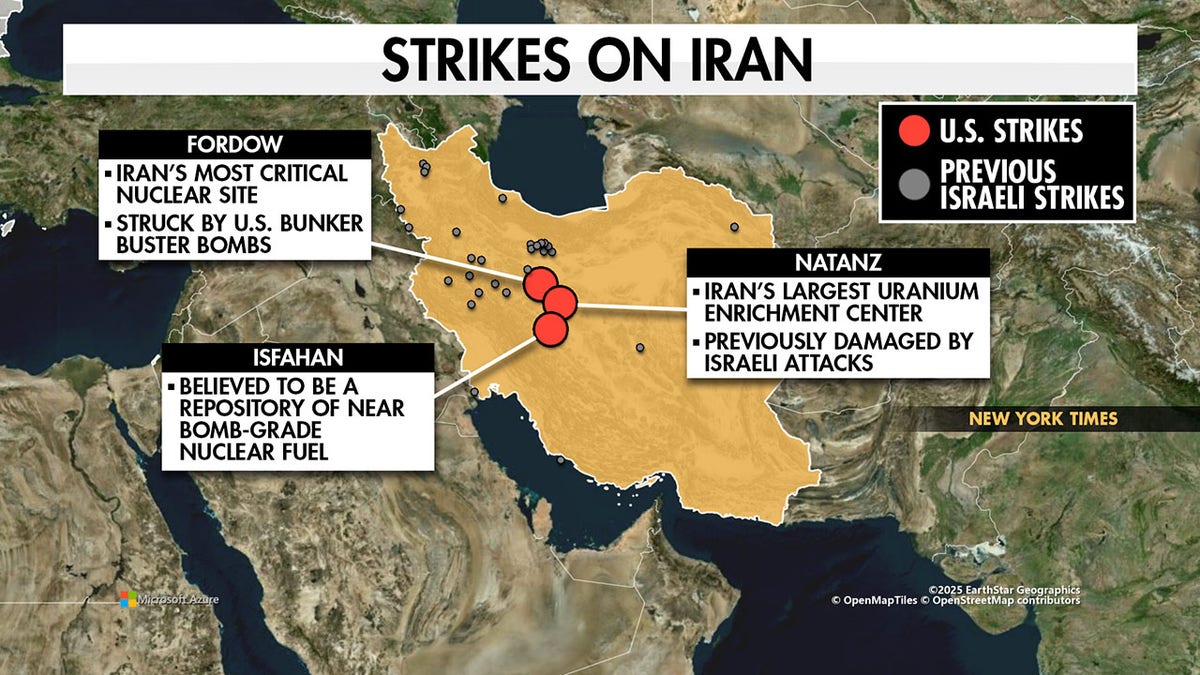
Claims suggesting that the U.S. Has no need for international cooperation to manage uranium stocks often overlook the geopolitical reality of market stabilization. When political leaders suggest that the U.S. Can simply ignore the diplomatic pathways regarding Iranian nuclear material, they are often speaking to the desire for energy independence rather than the technical feasibility of immediate supply chain shifts. Any discussion regarding the acquisition or management of nuclear materials must account for the U.S. State Department’s ongoing efforts to prevent the spread of nuclear weapons technology, which is a cornerstone of American national security strategy.
The tension is not merely about the supply of uranium, but about the “breakout time”—the duration required for a state to produce enough weapons-grade material for a single nuclear device. Western intelligence agencies, including those within the U.S. Intelligence community, have long identified this timeframe as the most critical variable in the Iran nuclear file. Any change in the status quo, whether through a new agreement or the abandonment of existing ones, directly impacts the calculation of this timeline.
Evaluating Claims of Nuclear “Pre-Agreements”
In recent weeks, speculation regarding secret or “pre-agreement” talks between Washington and Tehran has surfaced in various media outlets. This proves important for readers to note that the White House has repeatedly clarified its position on these rumors, consistently characterizing reports of finalized or imminent deals as inaccurate. The U.S. Government maintains that its policy remains focused on diplomatic pressure and the enforcement of existing sanctions to curb Iran’s nuclear ambitions.
For those tracking these developments, the White House Briefing Room remains the most authoritative source for official U.S. Policy statements. When evaluating claims about nuclear material management, one should differentiate between verified government actions and unconfirmed reports. The complexity of these negotiations often leads to a proliferation of rumors, but the official stance remains that no deal has been reached that would deviate from the established framework of containment and monitoring.
Key Takeaways: Understanding the Current Nuclear Stance
- Regulatory Oversight: All nuclear material movement and enrichment activities are subject to oversight by the IAEA, which provides the only verified data on Iran’s nuclear program status.
- Policy Consistency: Official U.S. Policy continues to prioritize non-proliferation, with the White House denying the existence of any “secret” pre-agreements regarding Iran’s nuclear material.
- Market vs. Strategy: While the U.S. Possesses domestic nuclear capabilities, international diplomacy remains the primary tool for managing global nuclear risks and preventing the illicit spread of materials.
- Verification Importance: Readers are encouraged to rely on reports from international monitors and official government statements rather than speculative commentary, as the stakes of nuclear proliferation are exceptionally high.
What Happens Next: Monitoring Future Developments
The international community is currently awaiting the next quarterly report from the IAEA, which is expected to provide updated figures on Iran’s enriched uranium stockpile. These reports are typically submitted to the agency’s Board of Governors in Vienna, where member states deliberate on the findings. Any significant deviation in enrichment levels or the obstruction of inspection teams would likely trigger further diplomatic discussions and potentially new rounds of international sanctions.
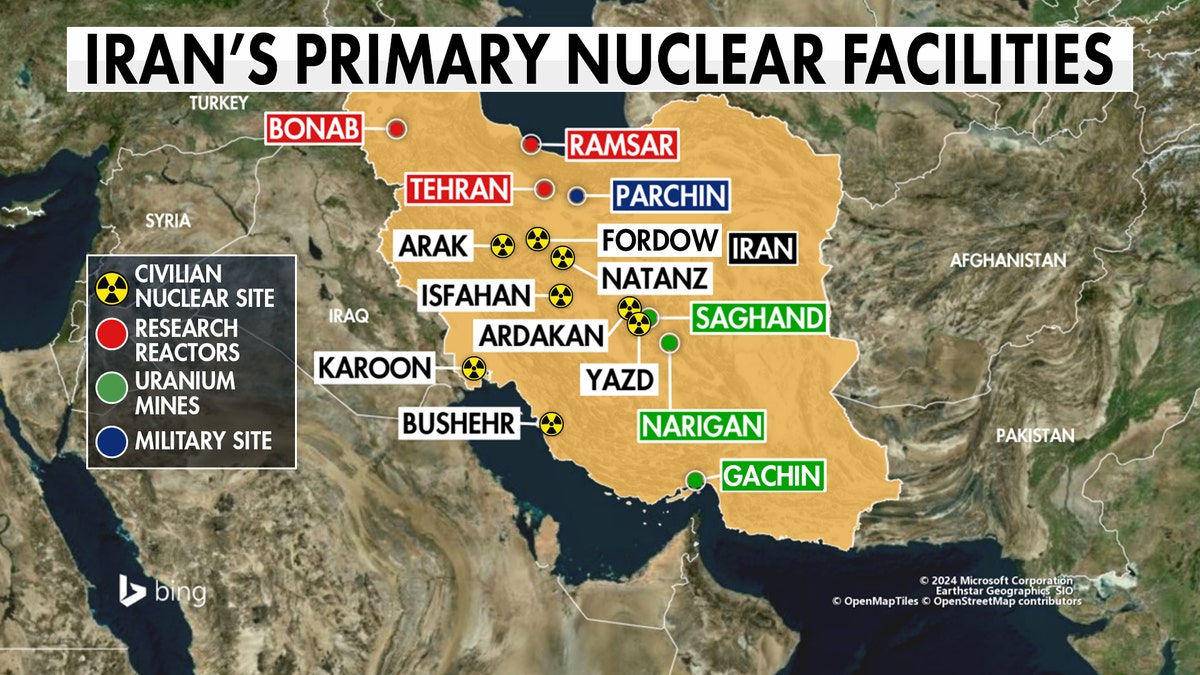
As this situation evolves, the most reliable way to stay informed is to monitor the official press releases from the International Atomic Energy Agency and the U.S. Department of State. These institutions provide the data-driven context necessary to understand the implications of political rhetoric versus the reality of nuclear security.
The discourse surrounding nuclear policy will undoubtedly remain a fixture in the upcoming political cycle. As an editor, I encourage our readers to scrutinize the source of any dramatic claims regarding nuclear materials, keeping in mind that in the world of international affairs, the most important details are often found in the fine print of policy documents and formal agency reports. We will continue to provide updates as official information becomes available. If you have questions or perspectives on this, I invite you to join the conversation in the comments section below.
Keep reading