Democratic-led states and voting rights organizations are pressing the U.S. Supreme Court to block new federal restrictions on mail-in ballots, setting up a high-stakes legal clash over election administration. The contested measures, which stem from recent executive actions directing the U.S. Postal Service to alter how it handles mail-in voting lists, have triggered fierce opposition from state officials who argue the directives infringe upon constitutionally granted state powers to run elections.
At the center of the dispute is an executive order signed by President Trump requiring the U.S. Postal Service to rely strictly on state-by-state lists of eligible voters who may send a ballot by mail. Critics and state attorneys general argue that imposing federal administrative mandates on postal handling of election mail creates sudden operational hurdles, risks voter disenfranchisement, and unlawfully preempts state-level authority enshrined in the U.S. Constitution.
The legal petitions before the high court arrive as election administrators nationwide prepare for upcoming voting cycles. State officials filing emergency applications contend that federal intervention in mail-in ballot distribution disrupts established local protocols and threatens to confuse both voters and poll workers alike. Legal analysts note that the Supreme Court’s response will establish critical boundaries for federal executive authority over postal operations during federal elections.
State Challenges and Constitutional Arguments
A coalition of state attorneys general argues that the federal directive disrupts carefully balanced state election calendars. According to court filings submitted by opposing states, individual jurisdictions maintain exclusive oversight regarding voter eligibility and mail-in ballot distribution under Article I, Section 4 of the Constitution. Forcing postal workers to cross-reference federal lists introduces administrative bottlenecks that critics warn could delay the delivery of time-sensitive election materials.
Voting rights groups have joined the legal push, filing supplementary briefs that detail the potential impact on millions of eligible voters who rely on postal voting options. These organizations emphasize that state election codes already incorporate rigorous verification safeguards. According to briefs filed in lower courts, the imposition of new federal postal criteria without adequate transition periods threatens to invalidate lawfully cast ballots due to postal processing delays.
Federal defenders of the policy maintain that executive oversight of the Postal Service falls squarely within executive branch authority. Administration attorneys argue that standardizing mail-in voter lists enhances administrative uniformity and safeguards against logistical errors within the federal mail system. However, lower court judges have scrutinized whether executive branch directives can override established state election procedures without explicit congressional authorization.
Postal Service Operations and Election Administration
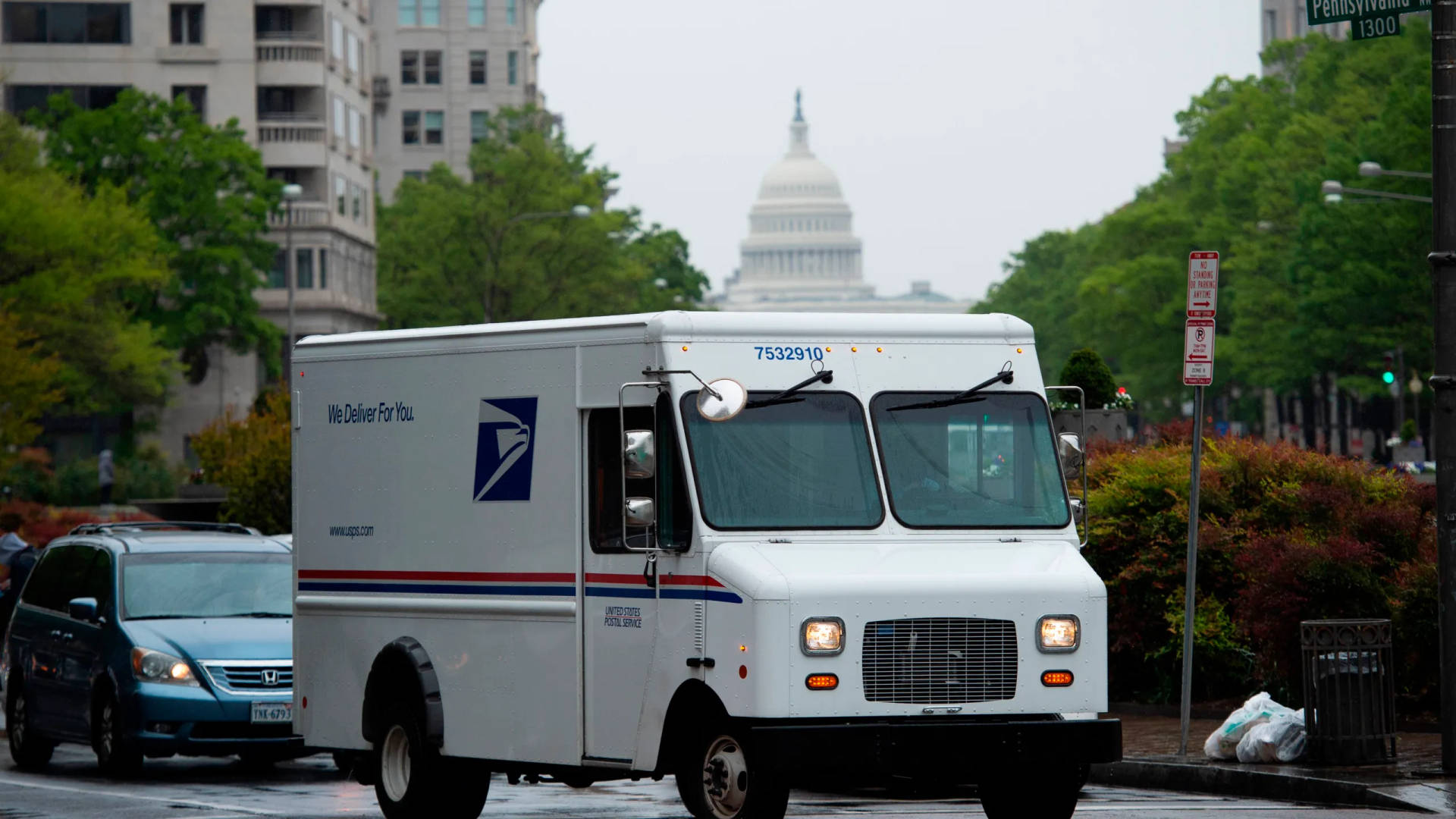
The U.S. Postal Service plays a vital role in modern election infrastructure, handling tens of millions of ballots during major voting cycles. Logistics experts point out that processing election mail requires specialized handling procedures, including distinct postmarking and expedited sorting. The new executive requirements force postal facilities to reconcile federal voter lists with localized state databases, a process local postal union representatives describe as operationally complex.
Election directors across multiple states report that shifting postal guidelines complicate training for local postal staff and county election boards. When federal directives alter mail verification standards close to voting deadlines, county clerks must scramble to update tracking systems and notify affected voters. These administrative strains have amplified calls from bipartisan election officials for clear, stable rules governing postal handling well in advance of election day.
The Supreme Court has not yet indicated when it will issue a formal order or whether it will schedule oral arguments on the emergency stay applications. Legal scholars suggest the justices could act quickly given the proximity of active election calendars. Voters and local election offices seeking official updates, filings, and schedule notices can monitor announcements directly through the Supreme Court of the United States or state election division portals.
Keep reading
- Karely Ruiz and Husband Detail Terrifying Armed Home Invasion in Nuevo León
- Spain Moves Past Gibraltar Sovereignty Conflict Post-Brexit
- BP Q2 Profit Hits $5.7 Billion Amid Trump Criticism of Big Oil Windfalls (time.news)
- Trump Administration Begins Systematic Appropriation of Japanese Manga (newsdirectory3.com)