Israel and Lebanon have agreed to extend their ceasefire by three weeks, according to an announcement made by former U.S. President Donald Trump on Friday, April 24, 2026. The extension follows ongoing negotiations aimed at stabilizing the southern border region after months of cross-border hostilities. The development was confirmed through multiple international news outlets citing Trump’s statement, marking a significant diplomatic effort to prevent further escalation between the two nations.
The ceasefire, which had previously been in place under a U.S.-brokered framework, is now set to continue for an additional 21 days. This extension allows time for further discussions on security arrangements, including the withdrawal of Israeli forces from Lebanese territory and the deployment of Lebanese Army units in the south under UNIFIL supervision. The move comes amid heightened regional tensions and ongoing concerns over the stability of the Israel-Lebanon border, particularly in the context of broader Middle Eastern dynamics involving Iran-backed groups and U.S. Strategic interests in the region.
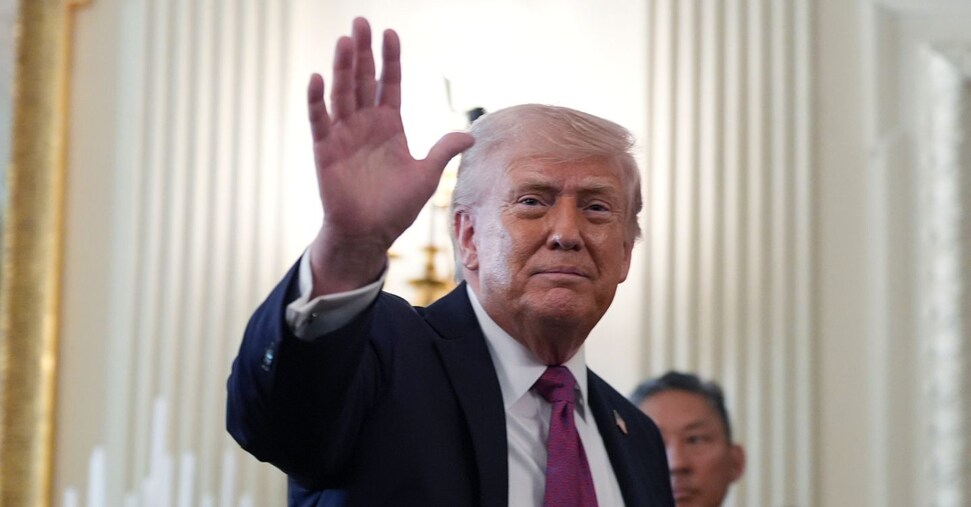
Trump’s announcement was made during a public appearance, where he emphasized the importance of maintaining the truce to avoid a wider conflict. He stated that both parties had committed to the extension, though specific details regarding monitoring mechanisms or concessions were not disclosed in his remarks. The former president also reiterated his long-standing position on regional security, including his belief that control of key maritime chokepoints like the Strait of Hormuz should be part of any lasting agreement, though he noted he was “not in a hurry” to rush such negotiations.
The extension has been welcomed by international observers as a step toward de-escalation, particularly given the humanitarian toll of recent exchanges along the border. Civilian displacement, infrastructure damage, and disruptions to daily life in southern Lebanon and northern Israel have been reported by UN agencies and humanitarian groups operating in the area. Even as the ceasefire does not resolve underlying political disputes, it provides a critical window for diplomatic engagement and confidence-building measures.
Lebanon’s government, currently navigating a severe economic crisis and political fragmentation, has expressed cautious optimism about the extension. Officials in Beirut have highlighted the need for international support to uphold the agreement, particularly in ensuring that the Lebanese Armed Forces can effectively assume responsibility for border security in coordination with UN peacekeepers. Though, challenges remain, including the presence of non-state actors in the south and the limited capacity of state institutions to enforce sovereignty across all territory.
In Israel, the extension has been met with mixed reactions. Security officials have acknowledged the tactical benefits of a pause in hostilities, allowing for intelligence gathering and force repositioning. Yet, some political figures have criticized the deal as insufficient, arguing that it does not adequately address the threat posed by armed groups operating near the border. The Israeli government has maintained its right to self-defense while expressing willingness to engage in talks that lead to a sustainable resolution.
The role of the United States in facilitating this extension underscores Washington’s continued involvement in Middle Eastern peace efforts, even amid shifting foreign policy priorities. While the Biden administration has focused on other global challenges, the involvement of a former U.S. President in brokering this agreement highlights the enduring influence of American diplomacy in regional affairs. Analysts note that any lasting solution will require coordination among multiple stakeholders, including regional actors, international organizations, and local communities directly affected by the conflict.
Humanitarian organizations operating in the region have called for the ceasefire extension to be accompanied by increased access for aid delivery and reconstruction efforts. The World Food Programme and the International Committee of the Red Cross have previously reported difficulties in reaching affected populations due to security restrictions and damaged infrastructure. A sustained pause in fighting could allow for repairs to water systems, power grids, and roads—essential for restoring basic services in war-affected villages.
Looking ahead, the next key development will be the conclusion of the three-week extension period, at which point the parties will need to decide whether to renew the truce, modify its terms, or risk a return to hostilities. No formal date for a follow-up announcement has been confirmed, but diplomatic channels are expected to remain active throughout the extension period. Observers will be watching closely for any signs of progress toward a broader framework agreement that addresses not only security concerns but also the long-term stability of the border region.
For readers seeking updates on this evolving situation, reliable sources include the official websites of the United Nations Interim Force in Lebanon (UNIFIL), the Lebanese Ministry of National Defense, and the Israel Defense Forces’ spokesperson unit. International news agencies such as Reuters, Associated Press, and Agence France-Presse continue to provide on-the-ground reporting and verified updates as the situation develops.
This diplomatic effort, while fragile, represents a tangible step toward reducing violence and creating space for dialogue. As the extension period unfolds, the focus will remain on whether both sides can build trust, adhere to commitments, and move toward a more durable peace—one that protects civilians and upholds the sovereignty of both nations.
Stay informed, share this update, and join the conversation below. Your perspective helps foster a more informed global dialogue on peace and conflict resolution.
Keep reading
- Solar Eclipse Glasses Demand Surges: Retailers Struggle to Keep Up with Shortages
- Argentina v South Africa 2026: Match Thread & Live Updates
- Taylor Swift Folklore Track Removed From Trump-Affiliated Account Over Copyright (world-today-news.com)
- Tariff vs. Price Floor: What Trump's New Solar Rule Does (daybreakwire.com)