
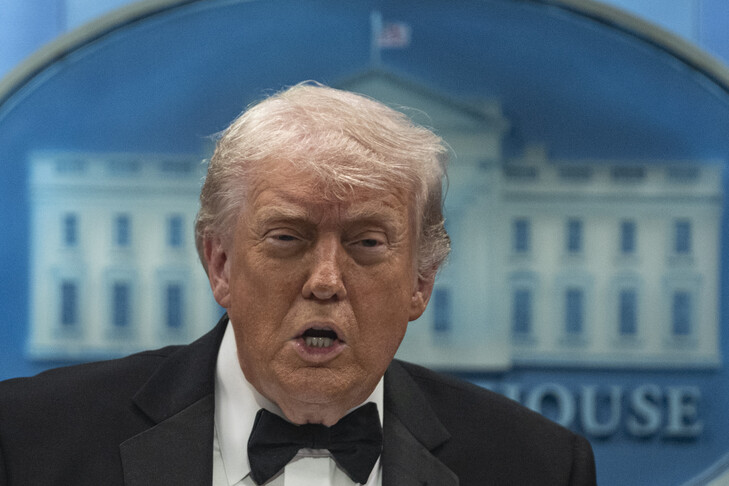
WASHINGTON — US President Donald Trump has signaled that a potential diplomatic agreement with Iran could be reached within weeks, marking a significant shift in the escalating Middle East conflict that has disrupted global energy markets and strained regional stability. According to verified diplomatic sources, Trump’s latest comments—made during a private briefing on May 6, 2026—suggest that indirect negotiations through Pakistan are progressing faster than previously anticipated, though key obstacles remain.
Although Trump has not provided specific details about the proposed timeline, his remarks approach as both Washington and Tehran attempt to solidify a ceasefire that has already seen intermittent violence since its April 8 implementation. The latest diplomatic efforts follow Iran’s May 3 submission of a 14-point proposal aimed at ending the conflict, which Trump acknowledged was being “studied carefully” by his administration. The White House has not yet confirmed whether the seven-day timeframe mentioned by Trump refers to a finalized agreement or a critical decision point in negotiations.
The potential deal would mark a dramatic turnaround from the February 28 US-Israeli airstrikes that triggered Iran’s retaliatory measures, including a de facto blockade of the Strait of Hormuz—a critical chokepoint for global oil shipments. With tensions remaining high, the international community is closely monitoring whether this diplomatic window can be sustained or if renewed hostilities could erupt.
Key Sticking Points in US-Iran Negotiations
Despite the optimistic tone from the White House, fundamental disagreements persist between the two nations. According to the New York Times, which has tracked the diplomatic exchanges, Iran’s 14-point proposal—delivered through Pakistani mediators—includes demands for:
- A permanent finish to US military operations against Iranian territory
- Lifting of economic sanctions imposed since 2018
- Guarantees against future Israeli strikes on Iranian nuclear facilities
- An international guarantee for Iran’s security against external threats
In response, the Trump administration has insisted on three non-negotiable conditions:
- Immediate end to Iran’s blockade of the Strait of Hormuz, which has disrupted 20% of global oil and gas exports since late February
- Verifiable suspension of Iran’s nuclear enrichment activities, including restrictions on uranium stockpiles and centrifuge capacity
- Full accountability for Iranian-backed attacks on US forces and regional allies since the conflict began
The Al Jazeera reports that Trump’s administration has framed these demands as “red lines” that cannot be compromised, stating that any agreement must include “binding verification mechanisms” to prevent Iran from resuming prohibited activities once hostilities cease.
Why This Moment Matters: Global Economic and Strategic Implications
The potential US-Iran accord carries profound implications beyond the Middle East. Economically, the Strait of Hormuz blockade has already triggered a 15% spike in global oil prices since February, with particularly severe impacts on Asian economies reliant on Persian Gulf exports. The International Energy Agency has warned that prolonged disruptions could push prices above $120 per barrel—a level not seen since 2014.

Strategically, the negotiations test whether the US can pursue diplomacy without appearing to reward Iranian aggression. Trump’s approach contrasts sharply with his predecessor’s policy of “maximum pressure,” instead emphasizing “pragmatic engagement” to achieve concrete security outcomes. Analysts at the Council on Foreign Relations note that Trump’s willingness to negotiate publicly reflects domestic pressure to demonstrate progress amid growing war-weariness among US voters.
“This isn’t about trust—it’s about verifiable outcomes. If Iran can guarantee the Strait of Hormuz stays open and freeze its nuclear program, we’ll have a deal. If not, we’ll maintain the pressure on.”
Recent Developments: A Fragile Ceasefire and Rising Tensions
Since the ceasefire took effect on April 8, both sides have accused each other of violating the terms. The US State Department reported three separate incidents in the past week where Iranian-backed militias targeted commercial vessels in international waters—actions Tehran denies. Meanwhile, the Pentagon confirmed that US naval patrols have resumed escorting tankers through the Strait of Hormuz, a move Iran has condemned as a violation of the ceasefire spirit.
In a sign of the fragile state of negotiations, Trump’s national security advisor, John Bolton, warned during a May 5 press briefing that “any miscalculation could trigger an immediate escalation.” Bolton did not elaborate on specific threats but noted that the US maintains “all options on the table” to protect its interests.
Key Timeline:
Feb 28 – US-Israel airstrikes on Iranian nuclear sites
Mar 5 – Iran retaliates with missile strikes on US bases in Iraq
Apr 8 – Ceasefire brokered by Pakistan
May 3 – Iran submits 14-point peace proposal
May 6 – Trump signals potential deal within weeks
What’s Next: The Road Ahead for Diplomacy
The next critical checkpoint will be a May 12 meeting between US and Iranian negotiators in Islamabad, Pakistan—the designated neutral ground for indirect talks. According to Pakistani officials quoted by Dawn, both sides have agreed to discuss the following priorities:
- Mechanisms for monitoring the Strait of Hormuz, including potential third-party verification of shipping lanes
- Nuclear verification protocols, with discussions about International Atomic Energy Agency (IAEA) inspections
- Confidence-building measures, such as prisoner exchanges and the release of frozen Iranian assets
Trump’s national security team has indicated that any final agreement would require approval from Congress, a process that could take weeks. However, White House sources suggest the administration is prepared to move quickly if a framework is reached, citing “unprecedented bipartisan support for a diplomatic solution” in the face of rising energy costs.
Regional Reactions: Allies and Adversaries Brace for Outcomes
The potential US-Iran deal has sparked varied responses across the Middle East:
- Israel: Prime Minister Benjamin Netanyahu has publicly opposed any agreement that does not include “ironclad guarantees” against Iranian nuclear progress, calling Trump’s approach “naive.” Israeli military sources have reportedly increased patrols along the Syrian-Lebanese border in anticipation of Iranian maneuvers.
- Saudi Arabia: While Riyadh has not taken a public position, internal assessments suggest Saudi Arabia views the talks as an opportunity to reduce regional tensions, particularly as it prepares for a potential OPEC+ meeting in June to discuss oil production levels.
- Russia: Moscow has welcomed the diplomatic efforts, with Foreign Minister Sergey Lavrov stating that “any reduction in US-Iran tensions benefits global stability.” Russian energy companies, which have faced secondary sanctions for trading with Iran, are reportedly monitoring the negotiations for potential loosening of restrictions.
- China: Beijing has maintained a neutral stance but has privately urged both sides to reach a deal, citing concerns over the impact of prolonged conflict on global supply chains. Chinese state media has framed the talks as an opportunity to “restore normalcy” to regional trade routes.
Expert Analysis: Can Trust Be Built?
Dr. Elizabeth Rosenberg, a former US Treasury official and Middle East expert at the Brookings Institution, cautions that “the biggest obstacle remains mutual distrust.” Rosenberg points to three critical questions that will determine whether this diplomatic window succeeds:

- Can Iran be trusted to uphold its commitments? Historical patterns suggest Iran often resumes prohibited activities once international scrutiny wanes.
- Will the US maintain sufficient leverage? The current economic sanctions remain in place, but their effectiveness could erode if the conflict de-escalates.
- What happens if one side perceives the other is violating the deal? The absence of a clear enforcement mechanism could lead to renewed hostilities.
Rosenberg adds that “the real test will be whether both sides can move beyond symbolic gestures to concrete, verifiable steps.” She notes that previous US-Iran negotiations—such as the 2015 nuclear deal—collapsed when one side perceived the other as violating the spirit of the agreement.
What Happens If No Deal Is Reached?
If negotiations fail, analysts warn of three potential scenarios:
- Renewed military escalation: The US has signaled it will maintain its naval presence in the region, while Iran has threatened to “escalate the cost” of any US-Israeli aggression.
- Prolonged economic disruption: The Strait of Hormuz blockade could persist, leading to further oil price volatility and potential shortages in key markets.
- Regional proxy wars: Increased Iranian support for militias in Iraq, Syria, and Yemen could draw US forces into additional conflicts, straining military resources.
In a Reuters interview, a senior Pentagon official stated that “we are preparing for all contingencies,” including potential strikes on Iranian missile sites and increased cyber defenses against Iranian hacking operations.
Key Takeaways
- US President Donald Trump suggests a potential Iran deal could be reached within weeks, citing progress in indirect negotiations.
- Iran’s 14-point proposal demands an end to US military operations and sanctions relief, while the US insists on Hormuz security and nuclear restrictions.
- A May 12 meeting in Islamabad is the next critical checkpoint for diplomatic progress.
- Regional allies like Israel oppose any deal perceived as weak on Iran’s nuclear program.
- Failure to reach an agreement risks renewed military conflict and prolonged economic disruptions.
This story is developing rapidly. For the latest updates, monitor official statements from the White House, US State Department, and IAEA. Share your thoughts in the comments below or join the discussion on our social media channels.