
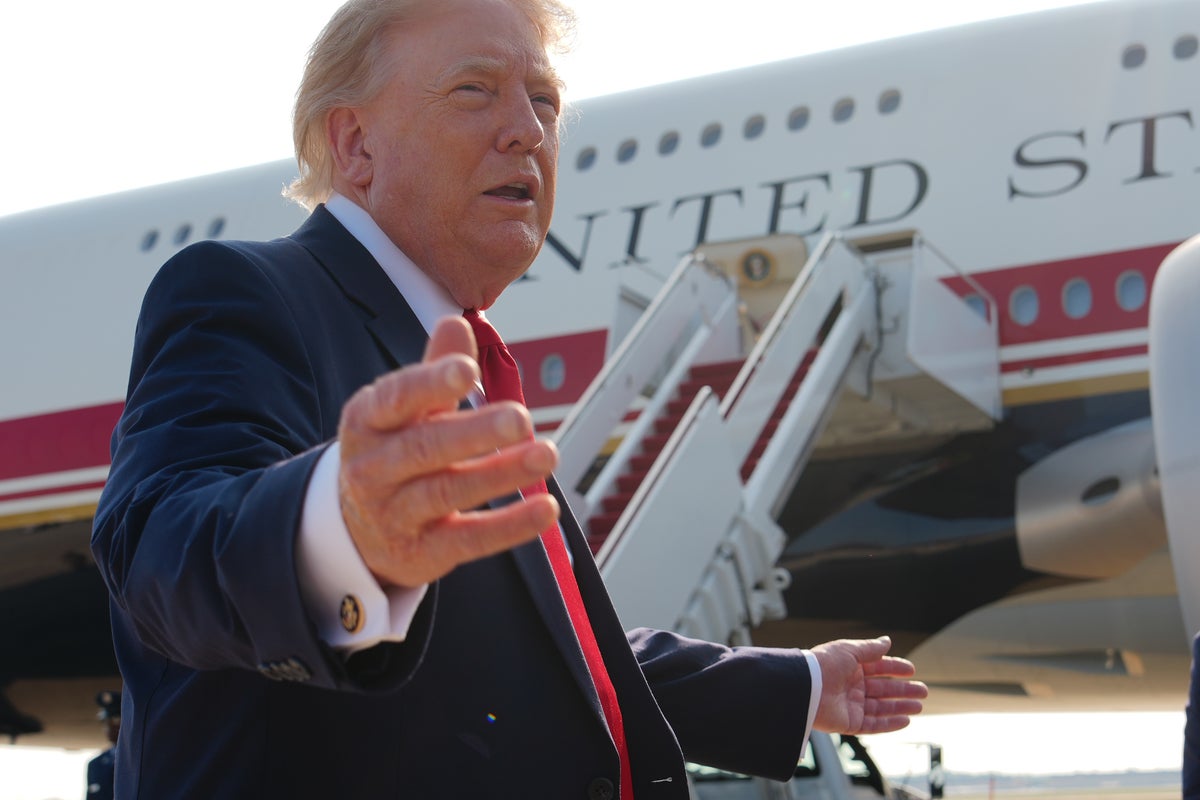
Former President Donald Trump has stated that he accrued more than $1 billion in investment gains during his time in office, attributing the financial success to what he described as “blind” luck rather than active management. These remarks, delivered during recent public comments, have renewed focus on the complex intersection of personal wealth and executive authority, particularly regarding the management of assets while serving as head of state.
According to financial disclosures and reporting from the New York Times, Trump’s transition back to the White House has been accompanied by a significant increase in the value of his diversified portfolio. While the former president maintains that his investments are handled through blind trusts or passive structures, critics and ethics watchdogs continue to raise questions about potential conflicts of interest, citing the unique influence the presidency exerts over global markets and regulatory environments.
The Mechanics of Executive Wealth
The core of the current debate involves how a sitting president manages private assets while simultaneously influencing national economic policy. Under federal law, the U.S. Office of Government Ethics (OGE) provides guidelines for senior officials to avoid conflicts of interest, though these rules historically exempt the president and vice president from the same divestiture requirements imposed on other government employees. This exemption creates a legal landscape where presidents are permitted to maintain business interests, provided they disclose them annually.
Trump’s assertion that his gains were the result of “blind” luck implies a separation between his decision-making as president and his portfolio’s performance. However, economists note that the sheer scale of the U.S. executive office makes complete insulation from market influence nearly impossible. When a president signs an executive order, proposes tax policy, or engages in trade negotiations, these actions inherently affect the valuation of the sectors in which the president may be invested.
Regulatory Scrutiny and Ethical Standards
The Citizens for Responsibility and Ethics in Washington (CREW) has consistently monitored the financial activities of the Trump family, noting that the combination of business operations and political office creates an unprecedented environment for potential self-dealing. Critics argue that the “blind” nature of these investments is insufficient to mitigate concerns regarding the appearance of impropriety, especially when the president’s personal brand is inextricably linked to his business ventures.

In contrast to the standard practice of placing assets into a truly independent blind trust—where the owner has no knowledge of or control over the specific holdings—Trump’s holdings have remained largely within the family business structure. This configuration has led to ongoing litigation and oversight inquiries. As documented by the Government Accountability Office (GAO), the lack of transparency regarding specific asset movements makes it difficult for the public to determine if policy shifts are aligned with personal financial interests.
Market Impact and Public Accountability
For investors and the general public, the question remains: does the performance of presidential assets serve as a bellwether for the broader economy? Some market analysts suggest that the fluctuations in Trump’s portfolio reflect broader trends in the real estate and hospitality sectors, which have seen significant volatility since 2020. However, the $1 billion figure cited by the former president highlights the substantial disparity between the financial realities of the executive and the average American household.
The ongoing scrutiny is expected to continue as the next round of annual financial disclosures is processed by the Federal Election Commission (FEC). These documents, which serve as the primary source for public accountability, provide a ledger of income, liabilities, and holdings. While they offer a snapshot of wealth, they do not necessarily account for the intangible value created by the prestige of the presidency—a factor that ethics experts argue is a significant, albeit unquantifiable, asset.
What Happens Next
The next major checkpoint for public oversight will be the release of the upcoming cycle of financial disclosure reports, which are mandated by the Ethics in Government Act of 1978. These filings will provide the most current data on the scope of the Trump family’s holdings and any changes to their investment strategies. Independent analysts will be watching to see if the reported $1 billion gain is adjusted or clarified in these official filings.

As the conversation around presidential ethics and financial transparency continues, readers are encouraged to consult the official OGE public financial disclosure portal for verified filings. We invite our readers to share their perspectives on the balance between private enterprise and public service in the comments section below.