trump Management Clarifies new $10,000 H-1B Visa Fee – What You Need to Know
A new $10,000 annual fee for H-1B visas, designed for temporary skilled workers, officially takes effect Sunday. However,a key clarification from the White House assures existing H-1B visa holders that they won’t be impacted when re-entering the United States. This update addresses immediate concerns sparked by the initial executive order and subsequent legal interpretations.
Why the Confusion?
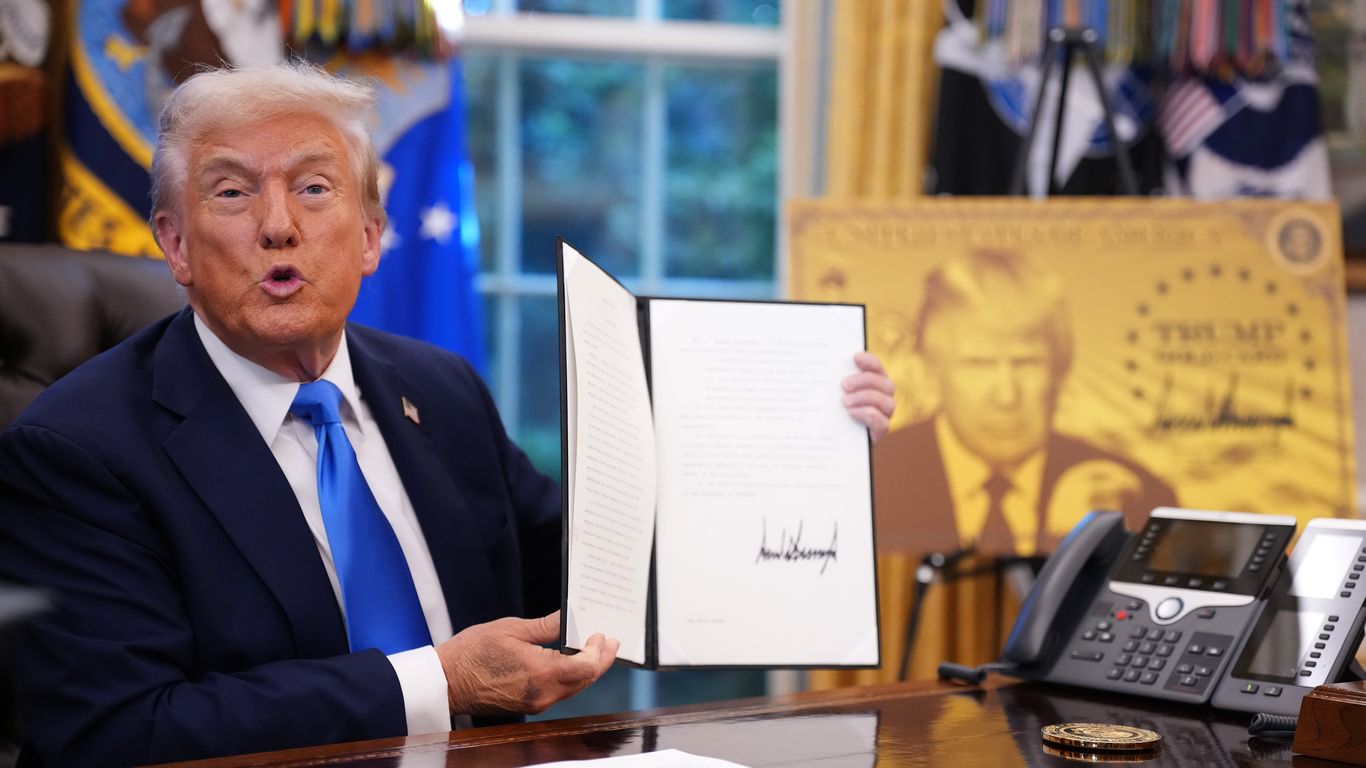
President Trump signed an executive order Friday night mandating the substantial fee for H-1B holders or their sponsoring companies. The wording initially lead some immigration lawyers to believe the fee applied retroactively, causing a rush for clients to return to the U.S.before the deadline. This created understandable panic within the tech community and among H-1B employees currently traveling abroad.
Understanding the New H-1B Fee
Here’s a breakdown of the key details:
* the Fee: A $10,000 annual fee will be required for each H-1B visa.
* Who Pays: The fee is payable by the H-1B holder or their sponsoring company.
* Potential Impact: for major H-1B employers like Microsoft, Amazon, and outsourcing firms like Cognizant, this could translate to an annual cost exceeding $1 billion.
* Effective date: The rule goes into effect at 12:01 a.m. ET on Sunday.
Crucially,the White House has now confirmed this fee applies only to new H-1B applications and renewals,not to those with currently valid visas. It will first be implemented during the upcoming lottery cycle for new applicants.
What Happened with the Urgent Travel Advisories?
The initial interpretation of the executive order prompted some tech companies to advise their H-1B employees outside the U.S. to return promptly. Immigration attorney Douglas Russo, in a widely shared LinkedIn post, echoed this sentiment, recommending re-entry before Sunday as the “safest approach.” This advice stemmed from concerns that anyone with an H-1B, even with an approved visa, could face the fee upon attempting to re-enter the country.
Fortunately, those concerns are now largely alleviated by the White House clarification.
The Bigger Picture: A Contentious Debate
the H-1B visa program has long been a focal point of debate within the Trump administration’s immigration policy. While border security has dominated headlines, the issue of skilled worker visas remains equally meaningful.
There are two distinct viewpoints at play:
* The “America First” Outlook: Supporters, like steve Bannon, argue that companies exploit the H-1B program to hire foreign workers at lower wages, displacing American jobs.
* The Silicon Valley Perspective: Newer Trump allies in the tech industry contend that H-1B visas are essential for attracting top global talent and driving innovation in the U.S.
The White House defends the new fee as a measure to protect American workers. Spokeswoman Taylor Rogers stated the action “discourages companies from spamming the system and driving down wages,” while ensuring opportunities for businesses genuinely seeking high-skilled workers.
What Should You Do Now?
If you currently hold a valid H-1B visa, you do not need to alter your travel plans based on this new fee. The White House has explicitly stated the fee will not apply to existing visa holders re-entering the U.S.
However, it’s prudent to:
* Stay Informed: Monitor official updates from U.S. Citizenship and Immigration Services (USCIS) for any further clarifications.
* Consult Legal Counsel: If you have specific concerns about your situation, consult with an experienced immigration attorney.
* Be Prepared: While the White House assures a smooth transition,it’s always wise to carry all relevant visa documentation when traveling.
Looking Ahead:
While the immediate crisis has been averted,it remains to be seen if any existing H-1B holders will encounter issues when traveling internationally after Sunday.We will continue to monitor the situation and provide updates as they become available. This new fee represents a significant shift in the landscape of H-1B visas,and its long-term impact on the tech industry and skilled worker immigration