
Reports have emerged detailing internal discussions within the first Trump administration regarding potential military operations to secure or neutralize Iranian nuclear material. According to multiple accounts from U.S. media outlets, including detailed reporting by CNN, senior officials considered various contingency plans to address Iran’s uranium enrichment program during the president’s term, though no such operation was ultimately launched.
The core of these reports centers on the administration’s “maximum pressure” campaign, which aimed to curtail Tehran’s nuclear ambitions through economic sanctions and diplomatic isolation. While the White House frequently signaled its willingness to use force to prevent Iran from obtaining a nuclear weapon, accounts suggest that specific proposals to seize or destroy stockpiles of uranium were vetted by military and intelligence planners but remained in the conceptual or planning stages.
Evaluating the Strategic Planning Process
The discussions regarding Iranian nuclear facilities were part of a broader, ongoing review of Middle East security, according to reporting from the New York Times. During this period, the administration sought to evaluate the tactical feasibility of striking deeply buried or reinforced sites, such as the Fordow enrichment facility. Officials reportedly requested assessments from the Pentagon on the effectiveness of conventional versus specialized munitions against hardened underground structures.
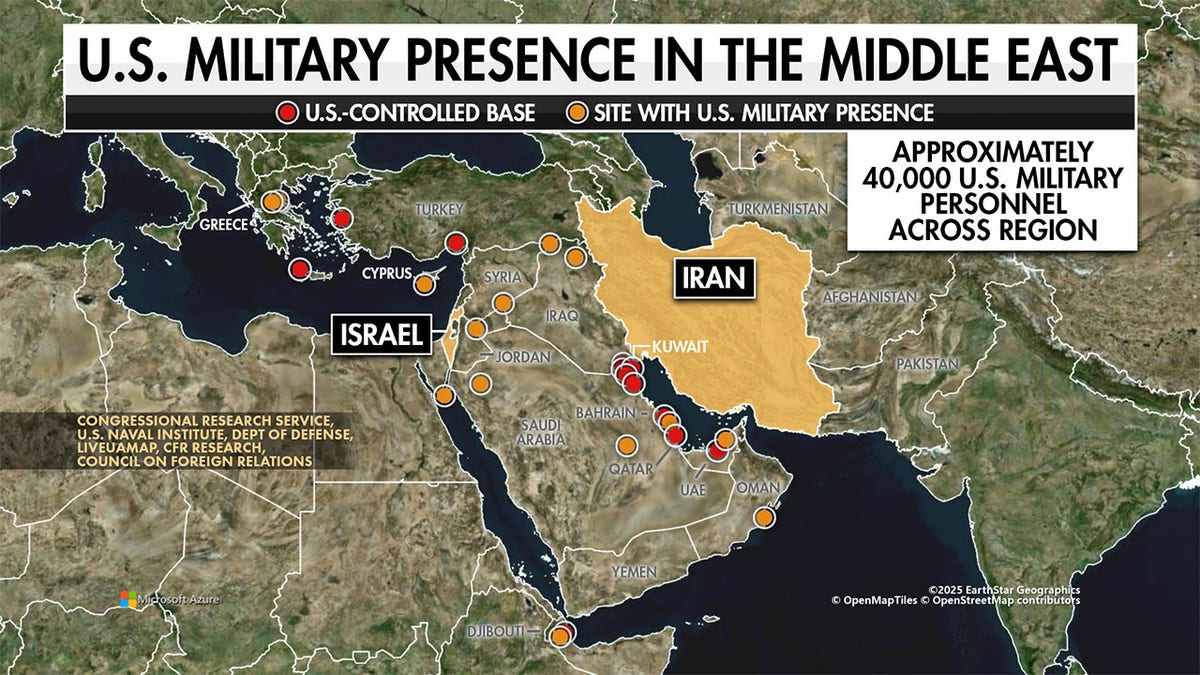
These internal deliberations were not isolated events but followed a pattern of escalating rhetoric between Washington and Tehran. Following the 2018 withdrawal from the Joint Comprehensive Plan of Action (JCPOA), the U.S. government imposed a series of sanctions under Executive Order 13846, which targeted Iran’s energy, shipping, and shipbuilding sectors. These actions were intended to force a renegotiation of the nuclear deal, though the Iranian government maintained that its nuclear program was strictly for peaceful, civilian purposes.
The Role of Diplomatic and Intelligence Channels
While military options were under consideration, the administration simultaneously relied on clandestine and diplomatic channels to monitor developments on the ground. Reports of visits by high-level U.S. officials—often described as “secret”—were frequently aimed at coordinating strategy with regional allies rather than signaling an immediate intent to strike. These efforts were designed to ensure that if a military confrontation were to occur, U.S. regional partners would be prepared for potential Iranian retaliatory measures.
According to assessments from the International Atomic Energy Agency (IAEA), Iran increased its uranium enrichment levels and stockpile volume significantly following the U.S. withdrawal from the 2015 nuclear agreement. These developments, documented in successive IAEA quarterly reports, created a persistent intelligence challenge for the U.S. and its allies, who were tasked with tracking the proximity of the Iranian program to “breakout” capacity—the point at which enough fissile material is produced for a nuclear device.
Comparing Perspectives on Escalation
The narrative surrounding these potential operations differs based on the source of the reporting. Some accounts emphasize the president’s personal interest in the technical capability of U.S. weaponry to penetrate reinforced bunkers, while others focus on the cautionary role played by military advisors who highlighted the risks of a full-scale regional conflict. These differing perspectives underscore the complexity of the “maximum pressure” strategy, which sought to balance deterrence with the avoidance of a prolonged conventional war.
The divergence in reporting often reflects the tension between the administration’s stated goal of “denuclearization” and the practical reality of intelligence gathering. While some sources suggest that specific plans to “seize” uranium were discarded due to logistical impossibilities, others argue that the discussion itself served as a form of psychological leverage to influence Iranian decision-making. Despite these reports, no official U.S. government document has confirmed a direct order to initiate a seizure operation.
Future Implications and Regional Stability
The question of how to address Iran’s nuclear capabilities remains a central pillar of U.S. foreign policy. Current discussions in Washington continue to focus on the efficacy of deterrence and the possibility of returning to a diplomatic framework. As of early 2024, the U.S. Department of State maintains that the door for diplomacy remains open, provided that Iran demonstrates a genuine willingness to address international concerns regarding its nuclear program.
Moving forward, analysts are watching for updates from the IAEA regarding the status of monitoring equipment at Iranian sites. Any significant shifts in the agency’s assessment of Iran’s enrichment levels are expected to trigger renewed debate in Washington regarding the balance between diplomatic engagement and the use of preemptive military force. Readers interested in the official status of these developments can monitor the IAEA’s official press releases for the most recent verified data on the Iranian nuclear file.
We invite our readers to join the conversation regarding these historical accounts. Please share your thoughts in the comments section below or follow us on our social media platforms for ongoing coverage of international security and global affairs.
- US Resumes Naval Blockade of Iranian Ports Amid Gulf Attacks
- Kremlin Secretly Preparing for Major Power Outages in Moscow
- Trump Slams Iran’s Duplicity and Warns Blockade Will Remain Amid Stalled Talks (world-today-news.com)
- Russian Military Bloggers Report Heavy Casualties And Low Life Expectancy For New Recruits (newsdirectory3.com)