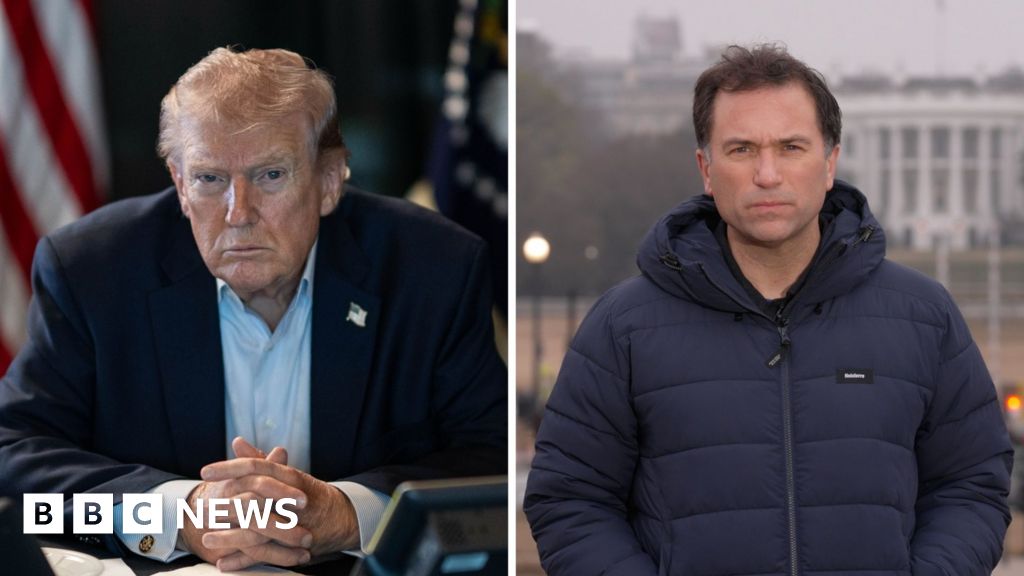
The ongoing conflict between the United States, Israel, and Iran has been marked not only by escalating military action but also by a shifting narrative from the Trump administration regarding the rationale and objectives of the war. What began with signals of an imminent attack in late February has evolved into a series of pronouncements, sometimes contradictory, about the extent of damage inflicted upon Iran and the path toward resolution. This evolving communication strategy raises critical questions about the administration’s goals and the potential for a prolonged and destabilizing conflict in the Middle East.
The initial strikes, beginning on February 28th, 2026, were presented as a response to unspecified Iranian aggression. However, President Trump’s subsequent statements have painted a picture of overwhelming success, claiming that Iran’s air defenses, air force, navy, and leadership have been “gone.” According to the BBC, this declaration came as the US and Israel continued bombing targets across Iran for a fourth consecutive day. The reality on the ground, however, appears far more complex, with reports of continued Iranian retaliation and significant casualties. The conflict has quickly expanded beyond direct strikes between the US, Israel, and Iran, with missile and drone attacks targeting Israel and Gulf states hosting US bases.
Escalation and Conflicting Assessments
The initial joint attack by the US and Israel reportedly resulted in the deaths of Supreme Leader Ayatollah Ali Khamenei and senior officials, a claim that has not been independently verified by Iranian authorities. The BBC reports that 780 people have been killed in Iran since Saturday, according to the Red Crescent, though independent confirmation of this figure remains elusive. The US military has stated its objectives include destroying Iran’s ballistic missile capabilities, its navy, and its ability to develop nuclear weapons, as well as dismantling its support for proxy groups in the region. Trump has also publicly urged Iranians to “seize back your government,” a statement that has been interpreted by some as a call for regime change, despite the administration’s avoidance of that specific term.
However, the administration’s messaging has been inconsistent. While Trump asserts near-total success, other officials have offered more cautious assessments. White House spokeswoman Karoline Leavitt indicated on Friday, March 6th, 2026, that military operations are expected to last four to six weeks, suggesting the conflict is far from over. As reported by the BBC, this timeline contrasts sharply with Trump’s claims of a swift and decisive victory. This discrepancy fuels speculation about the true extent of the damage inflicted and the administration’s long-term strategy.
The Demand for “Unconditional Surrender”
Adding to the confusion, President Trump has demanded Iran’s “unconditional surrender,” stating that the US and its allies will aid Iran become “economically bigger, better, and stronger than ever before” after the selection of “acceptable” new leadership. The BBC highlights that this demand suggests a lack of interest in a negotiated settlement, despite Trump’s avoidance of explicitly calling for regime change. This position raises concerns about the potential for a protracted conflict and the humanitarian consequences for the Iranian people.
The demand for unconditional surrender is a particularly stark position, historically associated with conflicts resulting in complete occupation and political restructuring. Whether the Trump administration intends such an outcome remains unclear, but the rhetoric has heightened tensions and complicated any potential diplomatic efforts. The economic implications of such a demand are also significant, given Iran’s role as a major energy producer and its interconnectedness with regional and global markets. Disruptions to Iranian oil production could lead to price spikes and further economic instability.
Regional Fallout and Expanding Conflict
The conflict is no longer confined to direct strikes between the US, Israel, and Iran. Retaliatory attacks have extended to neighboring countries, with drone strikes targeting the US consulate in Dubai and the US embassy in Saudi Arabia’s capital, Riyadh. According to the BBC, a drone strike in Dubai caused a fire at the consulate, while a similar incident in Riyadh resulted in a “limited fire.” These attacks demonstrate the potential for the conflict to escalate further and draw in additional regional actors.
The involvement of multiple parties increases the risk of miscalculation and unintended consequences. The potential for escalation is particularly high given the complex geopolitical dynamics of the Middle East and the presence of numerous proxy groups supported by Iran. The conflict also raises concerns about the security of vital shipping lanes, such as the Strait of Hormuz, through which a significant portion of the world’s oil supply passes. Disruptions to shipping could have a severe impact on global energy markets and the world economy.
The UK’s Response and International Involvement
The United Kingdom is increasing its military presence in the region, dispatching the Royal Navy warship HMS Dragon to Cyprus. The BBC reports this deployment is intended to bolster security and deter further escalation. The UK’s involvement underscores the international concern over the conflict and the potential for wider regional instability. However, the extent of international consensus on a course of action remains limited, with some countries calling for de-escalation and diplomatic solutions.
The international community faces a difficult challenge in navigating this crisis. Balancing the need to deter further aggression with the imperative to avoid a wider war requires careful diplomacy and a commitment to multilateralism. The potential for humanitarian disaster is significant, and the long-term consequences of the conflict could be far-reaching. The role of international organizations, such as the United Nations, will be crucial in mediating a peaceful resolution and providing humanitarian assistance to those affected by the conflict.
Unanswered Questions and Future Outlook
Despite the administration’s pronouncements, several key questions remain unanswered. What is the true extent of the damage inflicted upon Iran’s military infrastructure? What are the administration’s specific conditions for ending the offensive? Who will lead Iran in the aftermath of the conflict, and on what terms will the US recognize a new government? And, perhaps most importantly, what is the long-term strategy for preventing Iran from developing nuclear weapons and supporting proxy groups in the region?
The lack of clear answers to these questions raises concerns about the administration’s planning and its commitment to a sustainable solution. The shifting narrative and the conflicting assessments from different officials suggest a degree of uncertainty, and improvisation. As the conflict enters its second week, the risk of escalation remains high, and the potential for unintended consequences grows with each passing day. The situation demands a clear and coherent strategy, grounded in diplomacy and a commitment to regional stability.
The next key development to watch will be the outcome of ongoing military operations and any potential shifts in the administration’s public messaging. Further escalation could draw in additional regional actors and exacerbate the humanitarian crisis. A diplomatic breakthrough, however unlikely at present, would be a welcome development and could pave the way for a more peaceful and stable future for the Middle East. The world will be watching closely as this complex and dangerous situation unfolds.
What are your thoughts on the evolving situation in the Middle East? Share your comments below and join the conversation.
- Why Electric Car Sales Are Booming: Global Trends, EU Growth, and the Tesla-BYD Effect
- Coin-Gathering Service User Analysis: Over 20% in Their 50s and Older, Bitcoin Emerges as All-Generation Favorite
- Trump Legal Team Defends Accountability Efforts Amid Ongoing Proceedings (world-today-news.com)
- Federal Reserve Chair Kevin Warsh Resists Trump Rate Cuts Amid Inflation (archyworldys.com)