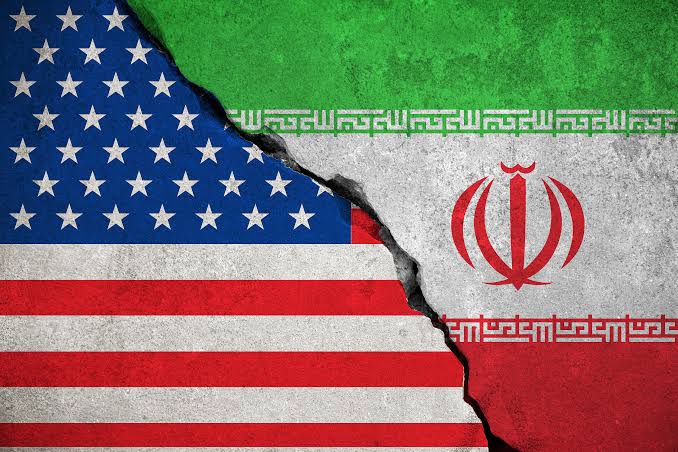
The delicate balance between diplomacy and deterrence in the Middle East remains fraught with uncertainty as the United States and Israel navigate complex negotiations with Iran. Following a three-hour meeting in Washington on February 11, 2026, U.S. President Donald Trump affirmed his commitment to continuing talks with Iran regarding its nuclear program, a stance he reportedly “insisted” upon during discussions with Israeli Prime Minister Benjamin Netanyahu. This commitment, however, exists alongside signals of potential military readiness, creating a precarious situation where the path forward remains unclear. The core of the issue lies in differing priorities: the U.S. Seeks a negotiated solution, while Israel expresses deep concern over Iran’s ballistic missile program and regional influence, potentially pushing for a more forceful approach.
The meeting between Trump and Netanyahu underscores the inherent tensions within the U.S.-Israel alliance regarding Iran. While both nations share a concern over Iran’s nuclear ambitions, their strategies for addressing this challenge diverge. Israel has consistently advocated for a more robust stance, including the possibility of military intervention to prevent Iran from acquiring nuclear weapons. The U.S., while maintaining a firm stance against Iran’s nuclear program, appears to prioritize a diplomatic resolution, hoping to avoid a wider conflict in the region. This divergence is further complicated by the possibility that ongoing negotiations may not adequately address Israel’s concerns regarding Iran’s ballistic missile capabilities and support for proxy groups like Hamas and Hezbollah, as reported by PBS News Hour.
The deployment of a second U.S. Carrier strike group to the Gulf, announced concurrently with Trump’s insistence on continued talks, serves as a potent signal of American resolve. This move, as noted by the BBC, demonstrates a willingness to employ military force should diplomatic efforts fail. However, Trump’s history of unpredictable policy shifts and contradictory statements adds another layer of complexity to the situation. His earlier declaration of a “new global order,” marked by the U.S. Military’s actions in Venezuela, highlights a willingness to assert American power on the international stage, raising questions about the extent to which diplomatic efforts will genuinely constrain potential military action. This duality – a commitment to negotiation coupled with a display of military strength – reflects a calculated strategy aimed at both de-escalation and deterrence.
The Limits of Prediction in a Volatile Region
Analyzing the current situation requires acknowledging the inherent limitations of predicting social and political upheavals. As highlighted by Dr. Hatem Sadek, a professor at Helwan University, historical precedent demonstrates a consistent failure to accurately forecast revolutions and significant social transformations. The collapse of the Soviet Union and the sudden disintegration of the Assad regime in Syria serve as stark reminders of the fallibility of even the most sophisticated intelligence assessments.
This inherent unpredictability is particularly pronounced in the case of Iran, a multiethnic state with a complex social structure and a deeply ingrained cultural fabric.
The recent wave of protests within Iran, fueled by economic hardship and political grievances, adds another layer of uncertainty to the equation. These protests, which transcend social strata, demonstrate widespread discontent with the current regime. The Iranian government’s struggles to provide basic services, exacerbated by decades of war and international sanctions, further contribute to the growing unrest. While the protests represent a significant challenge to the Islamic Republic, predicting their ultimate outcome remains exceedingly tough. The government has yet to fully deploy its coercive apparatus, potentially granting protesters a degree of legitimacy while simultaneously attempting to assess the potential consequences of large-scale repression.
Israel’s Concerns and Potential Courses of Action
Israel’s concerns extend beyond Iran’s nuclear program to encompass its ballistic missile capabilities and support for regional proxy groups. The range of Iran’s ballistic missiles poses a direct threat to Israeli cities, and its support for organizations like Hamas and Hezbollah destabilizes the region. Prior to the recent unrest, Israel reportedly concluded that intervention might be necessary to prevent Iran’s rearmament with surface-to-surface missiles. The potential repercussions of Israeli military action on the ongoing protests within Iran are uncertain. Such action could either inflame the protests further, potentially leading to the regime’s downfall, or it could rally the population around the government, strengthening its grip on power.
The possibility of Israel taking unilateral action, even in the absence of explicit U.S. Support, cannot be discounted. Some within Israel believe that Trump’s posture provides a degree of tacit cover for such actions, particularly given the domestic unrest within Iran. The question of whether Israel might attempt to eliminate the Supreme Leader and his designated heir remains a subject of speculation. The outcome of such a move is highly uncertain, with the potential to either trigger widespread uprising or suppress dissent entirely. These variables are exceedingly difficult to map or measure, highlighting the inherent risks associated with any interventionist strategy.
The Role of Diplomacy and Deterrence
Despite the inherent uncertainties, a successful negotiation remains the most viable path toward de-escalation. A comprehensive agreement that addresses Iran’s nuclear program, ballistic missile development, and regional activities would significantly reduce tensions in the Middle East. However, achieving such an agreement will require a delicate balancing act, addressing the concerns of all stakeholders while avoiding actions that could further destabilize the region. The United States, as a key mediator, must navigate the competing interests of Iran, Israel, and other regional powers.
Deterrence also plays a crucial role in maintaining stability. The deployment of U.S. Military assets to the Gulf serves as a clear signal of American resolve, discouraging Iran from pursuing provocative actions. However, deterrence must be coupled with diplomacy to avoid miscalculation and escalation. A purely military approach risks triggering a wider conflict with potentially catastrophic consequences. The challenge lies in finding a sustainable balance between demonstrating strength and pursuing a diplomatic solution.
The situation is further complicated by the internal dynamics within Iran. The ongoing protests, while presenting a challenge to the regime, also create opportunities for dialogue and reform. A willingness to address the legitimate grievances of the Iranian people could potentially pave the way for a more moderate and stable government. However, the Iranian government’s response to the protests will be critical in determining the future trajectory of the country.
Looking Ahead: Uncertainties and Potential Scenarios
The coming weeks will be crucial in determining the future of the Iran-Israel crisis. President Trump has indicated that he expects a second round of talks with Iran, but the outcome of these negotiations remains uncertain. The key sticking points will likely revolve around Iran’s nuclear program, ballistic missile development, and regional activities. Israel will undoubtedly continue to press for a more comprehensive agreement that addresses its security concerns.
The potential for miscalculation and escalation remains high. Any misstep by either side could quickly spiral into a wider conflict. The United States must carefully calibrate its response to avoid inadvertently triggering a military confrontation. Diplomacy, coupled with a credible deterrent posture, remains the most prudent course of action.
The situation in Iran is also highly fluid. The protests could either subside, leading to a period of relative stability, or they could escalate, potentially leading to regime change. The outcome of these protests will have significant implications for the region as a whole.
As Dr. Sadek aptly points out, predicting the future is an inherently uncertain endeavor. However, by acknowledging the limitations of our knowledge and approaching the situation with intellectual humility, we can better navigate the complexities of the Middle East and work toward a more peaceful and stable future. The next key development to watch will be the outcome of the anticipated second round of U.S.-Iran talks, the timing of which remains unconfirmed as of February 19, 2026.
What are your thoughts on the current situation? Share your perspectives in the comments below, and please share this article with your network to foster informed discussion.
Worth a look
- Google Pulls Nano Banana 2 From Google Earth After OSINT Backlash
- Denmark News: Teenagers Arrested for School Terror Plot and SAS Strike Threats
- BP Q2 Profit Hits $5.7 Billion Amid Trump Criticism of Big Oil Windfalls (time.news)
- Trump Administration Begins Systematic Appropriation of Japanese Manga (newsdirectory3.com)