
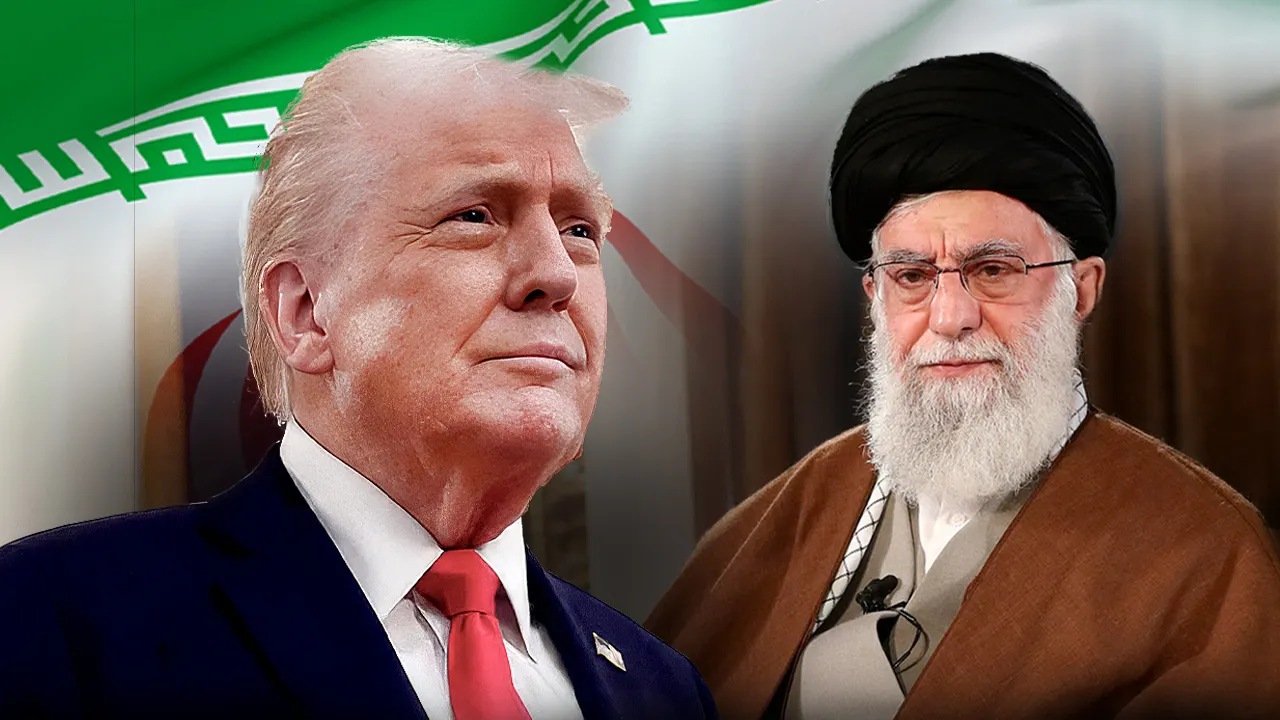
Diplomatic efforts to stabilize the Middle East have entered a volatile phase as the United States and Iran navigate a high-stakes standoff involving critical energy infrastructure. In late March 2026, the administration of President Donald Trump signaled a precarious balance between the threat of military action and the pursuit of a comprehensive peace agreement, bringing US-Iran energy infrastructure tensions to a critical juncture.
The tension escalated following statements from President Trump indicating that the United States was prepared to launch strikes against Iran’s power plants and energy infrastructure. However, the administration subsequently announced a five-day postponement of these planned attacks. This window was intended to allow for discussions regarding the “resolution of hostilities,” shifting the immediate focus from kinetic action to diplomatic negotiation.
Parallel to these threats, the White House has pursued a diplomatic track. White House press secretary Karoline Leavitt confirmed that diplomacy is currently underway, acknowledging that the U.S. Has sent a 15-point plan to Iran aimed at ending the broader conflict in the Middle East. While the specific details of the 15-point plan have not been fully disclosed, the move suggests an attempt to leverage military pressure to achieve a strategic diplomatic breakthrough.
Humanitarian Warnings and International Law
The threat to target energy grids has drawn sharp condemnation from human rights organizations. Erika Guevara-Rosas, Senior Director of Research, Advocacy, Policy and Campaigns at Amnesty International, has called on President Trump to retract these threats, describing them as “deeply irresponsible.” According to Amnesty International, intentionally attacking civilian infrastructure such as power plants is generally prohibited under international humanitarian law.
The organization warned that such strikes would “unleash catastrophic harm on millions of civilians” and cause devastating long-term consequences. Guevara-Rosas emphasized that the decision to avoid these attacks should be rooted in the USA’s legal obligations to protect civilians rather than being used as a bargaining chip in political negotiations. Even in instances where power plants might be categorized as military targets, international law prohibits attacks that cause disproportionate harm to the civilian population.
The Cycle of Retaliation and Regional Risk
The volatility of the situation is compounded by threats of retaliation from Tehran. Iranian authorities have indicated they may respond to U.S. Aggression by striking power plants used by the United States and Israel. Iran has threatened to target economic, industrial, and energy infrastructure within the Gulf Cooperation Council (GCC) states.
Of particular concern to international observers are desalination plants in the GCC region. Given that these facilities are critical for ensuring the drinking water supply to millions of people in an arid climate, any attack on them would create a humanitarian crisis. Amnesty International has urged Iranian authorities to finish all unlawful attacks on desalination facilities and commercial vessels in the Strait of Hormuz, while also calling for the immediate restoration of full internet access within Iran.
Key Elements of the Current Standoff
| Action/Threat | US Position | Iran Position |
|---|---|---|
| Energy Infrastructure | Threatened strikes on power plants; 5-day postponement. | Threatened retaliation against US, Israel, and GCC plants. |
| Diplomatic Effort | Proposed a 15-point plan to end Middle East conflict. | Engaged in discussions on “resolution of hostilities.” |
| Humanitarian Impact | Focus on strategic pressure. | Threats toward GCC desalination and water supply. |
Geopolitical Implications for the Middle East
The current strategy employed by the Trump administration reflects a return to a “maximum pressure” approach, albeit one paired with a concrete diplomatic proposal. This approach seeks to force concessions from Tehran by demonstrating a willingness to target the economic and functional heart of the Iranian state. However, as noted by The New York Times, the success of this strategy depends on whether the 15-point plan provides a viable off-ramp for the Iranian leadership.

The broader regional stability remains fragile. The involvement of the GCC states as potential targets for Iranian retaliation increases the risk of a wider regional war. The focus on energy infrastructure—which includes not only electricity but also water desalination—highlights a shift toward targeting “dual-use” facilities that serve both military and civilian populations, raising significant questions about the adherence to the laws of armed conflict.
As the international community monitors these developments, the primary focus remains on whether the diplomatic channel initiated by the 15-point plan can supersede the threats of infrastructure warfare. The outcome of these discussions will likely determine the trajectory of US-Iran relations and the security of energy corridors in the Persian Gulf for the foreseeable future.
Following the expiration of the five-day postponement window in late March, the international community awaits further official updates from the White House regarding the status of the 15-point plan and any formal response from the Iranian government.
World Today Journal encourages readers to share this report and join the conversation in the comments section below regarding the impact of energy infrastructure threats on global stability.