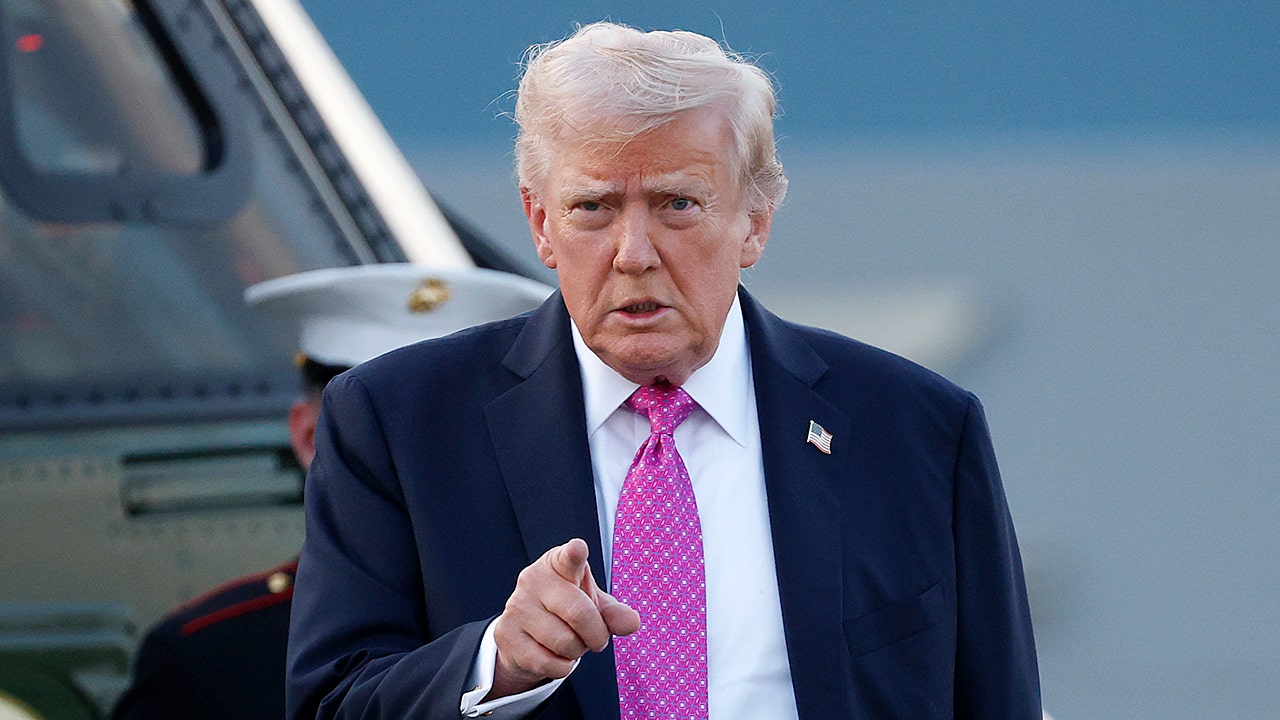
Trump’s Defamation Suit Against The New York Times Dismissed
A federal judge has dismissed former President Trump’s lawsuit against The new York Times, citing its excessive length and inappropriate tone. The 85-page complaint was deemed “decidedly improper and impermissible” by U.S. District Judge Steven D. Merryday, who ordered a refiling within 28 days, limited to 40 pages.
This ruling marks the latest advancement in Trump’s ongoing legal battles wiht major media organizations. He alleges defamation and accuses the newspaper of acting as a mouthpiece for the Democratic Party. Let’s break down the key details of this case and what it means for future legal challenges.
Why Was the Lawsuit Dismissed?
judge Merryday outlined several critical issues with the original filing. Here’s a summary:
* Length: The 85-page document considerably exceeded reasonable limits for a complaint.
* Placement of Claims: The actual defamation claims were buried deep within the document - appearing on pages 80 and 83 respectively.
* Inappropriate Tone: The judge criticized the suit’s overly political language and “flowery descriptions,” stating a complaint isn’t a platform for personal attacks or political rallies.
* Lack of Focus: The court found the suit strayed from a concise presentation of legal arguments.
Essentially, the judge found the lawsuit to be more of a public statement than a focused legal argument.You need to present a clear, concise case to the court, and this filing failed to do so.
The Core of Trump’s Claims
Trump’s lawsuit centers around accusations that The New York Times unfairly portrays him. Specifically, he claims the paper:
* Functions as a “mouthpiece” for the Democratic Party.
* Made an illegal “campaign contribution” in 2024 by supporting opponent Kamala Harris.
These claims allege the newspaper acted with malicious intent, damaging Trump’s reputation. Though,proving defamation against a public figure is a high legal bar.
The New York Times’ Response
The New York Times has dismissed the lawsuit as an intimidation tactic and maintains it is without merit. They stand by their reporting and are prepared to defend themselves against these allegations. This response underscores the paper’s confidence in its journalistic integrity.
What Does This Mean for Future Cases?
This dismissal serves as a cautionary tale for anyone considering similar legal action against media outlets. It highlights the importance of:
* Conciseness: keeping legal filings focused and within reasonable length limits.
* Professionalism: Maintaining a respectful and objective tone.
* Clear Legal Arguments: Presenting claims in a clear, organized, and legally sound manner.
You can expect Trump to refile the lawsuit, adhering to the judge’s guidelines. However, this initial setback demonstrates the challenges of successfully pursuing defamation claims against established news organizations.
This is a developing story, and we will continue to provide updates as they become available.
Keep reading