Trump’s Tariff Reversal on Food Imports: A Deep Dive into the Economic Shift
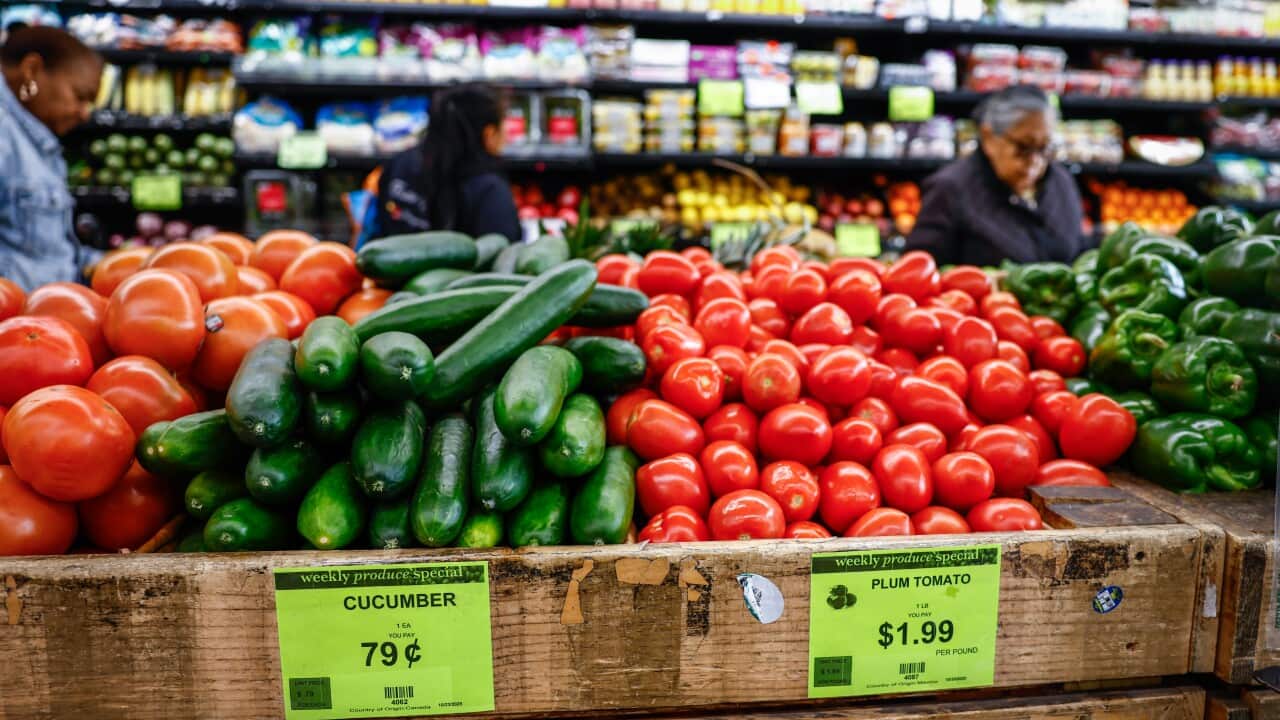
Are you wondering why your grocery bill hasn’t been budging, despite promises of easing inflation? Recent actions by the Trump governance – specifically, the exemption of a wide range of food imports from previously imposed tariffs – signal a important shift in trade policy. This move, impacting goods like Australian beef, coffee, tomatoes, and bananas, comes amidst growing public concern over persistently high food prices and follows recent electoral setbacks. But is this a genuine attempt to alleviate consumer burden, or a strategic political maneuver? Let’s unpack the details, the implications, and the broader context of this evolving economic landscape.
The Tariff Rollback: What Changed and Why Now?
President Trump signed an executive order enacting retroactive tariff exemptions on numerous food imports, effectively reversing a core tenet of his earlier trade strategy. Previously,a blanket 10% tariff was levied on imports from nearly all countries,wiht additional specific duties varying by origin. This new order specifically targets food items, offering relief to both consumers and exporting nations. Australian beef, a key export for Australia to the US market, is now exempt from the 10% tariff.
The timing is crucial. This decision arrives on the heels of Democratic victories in Virginia, New Jersey, and New York City, where the cost of living – and specifically, grocery prices – were prominent campaign issues. While the administration maintains that previous tariffs weren’t the primary driver of inflation, the move suggests a recognition of the tangible impact these duties had on American households. This aligns with recent data; a November 2023 report by the USDA’s Economic Research Service https://www.ers.usda.gov/data-products/food-price-outlook/ indicated that food-at-home prices, while moderating, remained significantly higher than pre-pandemic levels, with imported goods contributing to the overall increase.
Beyond Australian Beef: A Broader Impact on Global Trade
The tariff exemptions aren’t limited to Australia. The administration concurrently announced framework trade deals with Argentina,Ecuador,Guatemala,and El Salvador,aiming to eliminate tariffs on specific food and other items once finalized. Officials are actively pursuing further agreements before the year’s end, indicating a broader recalibration of trade relationships. This suggests a move towards targeted trade liberalization,perhaps prioritizing affordability and political considerations over a blanket protectionist approach.
This shift is particularly relevant considering the current global economic climate. The Food and Agriculture Organization of the United Nations (FAO) reported in October 2023 https://www.fao.org/worldfoodsituation/en/ that global food commodity prices remain volatile, influenced by geopolitical factors, climate change, and supply chain disruptions. Reducing tariffs on key food imports can help mitigate some of this volatility for US consumers.
The Political Undercurrents: Acknowledging the Impact of the trade War
The administration’s narrative continues to attribute high costs to policies enacted by the Biden administration. However, critics, like Representative Richard Neal, argue that the tariff policy itself was a significant contributor to inflation and economic contraction. The core argument is that tariffs, while intended to protect domestic industries, ultimately increase costs for businesses and consumers, leading to higher prices and reduced economic activity.
Data supports this claim. A study published by the Peterson Institute for International Economics in September 2023 https://www.piie.com/research/publications/impacts-us-tariffs-consumers-and-businesses found that US tariffs have cost American households an estimated $80 billion per year. While the exact impact is debated, the correlation between tariff implementation and rising consumer prices is undeniable.
What Does This Mean for You? Practical Implications & Actionable Advice
* Consumers: Expect a gradual easing of prices on affected food items. While the impact won’t be immediate, the removal of tariffs should eventually translate to lower costs at the grocery store.
* Businesses: Importers of the exempted goods should proactively seek refunds for tariffs already paid through the U.S. Customs and Border Protection.
* Exporters (Australia & others): This provides a significant boost to competitiveness in the US market. Australian beef producers, for example, can now offer their products at a more attractive price point.
* Investors: Monitor the development of further trade deals and assess the potential impact on relevant industries.
Step-by-Step Guide to Claiming Tariff Refunds:
- Identify Eligible Imports: Determine if your imported goods fall under the