
Mayor-elect Mamdani Challenges the Status Quo: A Shift in US Discourse on gaza
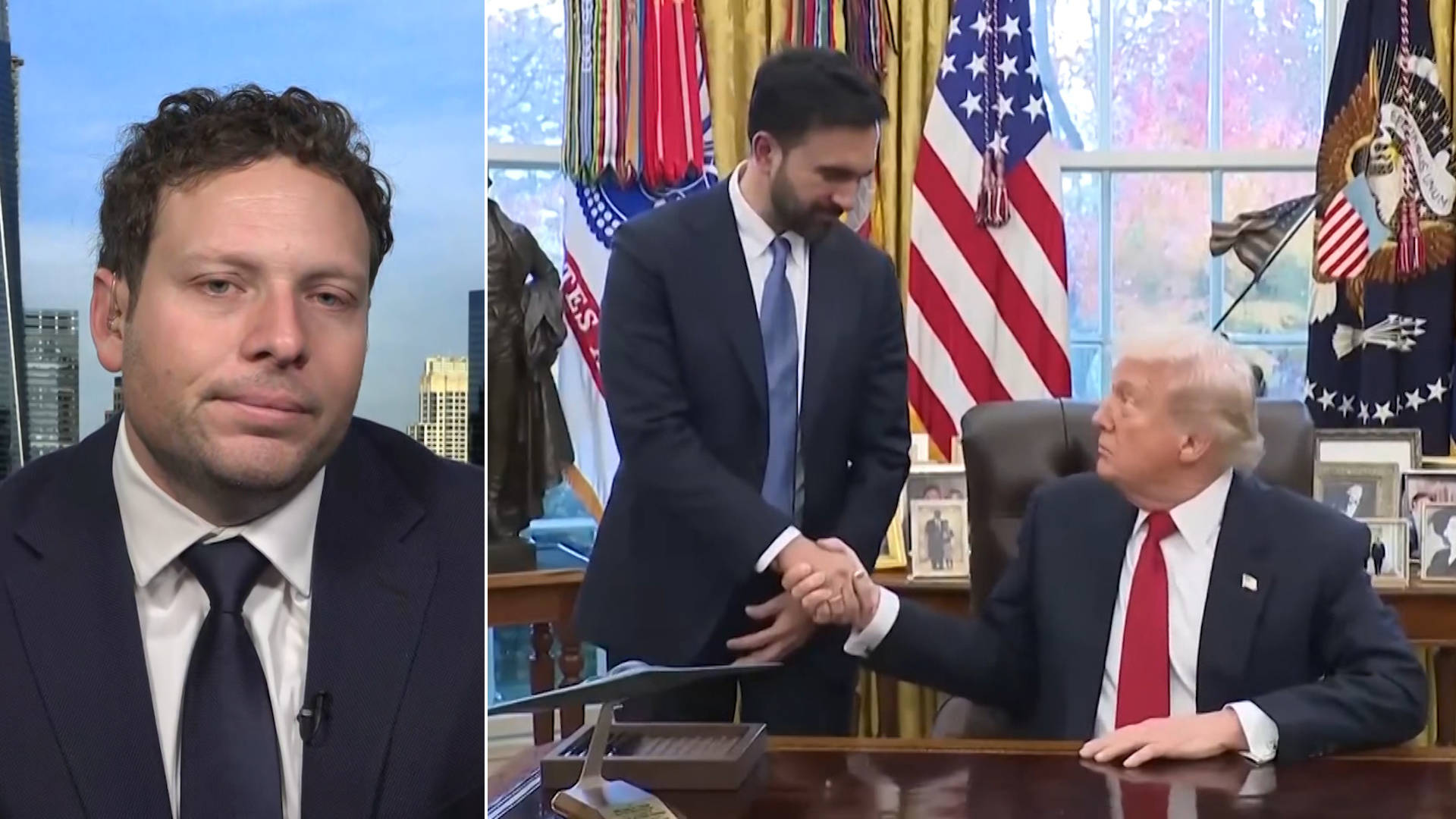
The recent meeting between Mayor-elect Zohran Mamdani and former President Donald Trump has sparked significant discussion, not for a display of political harmony, but for Mamdani’s unwavering stance on the conflict in Gaza. He directly addressed the Israeli government’s actions as genocide and the U.S.’s financial support of those actions – within the White House. This bold move signals a perhaps seismic shift in American political discourse surrounding the Israeli-Palestinian conflict.
This isn’t a new position for Mamdani. He’s consistently voiced these concerns for years. But the context – a meeting with a former president known for staunch support of Israel – elevates the significance of his statement.Let’s break down what happened, why it matters, and what it could meen for the future.
The Exchange with President Trump
During the meeting, Mamdani explained his concerns about U.S. tax dollars being allocated to foreign conflicts while pressing domestic needs remain unmet. He highlighted the ongoing homelessness crisis in New York City, with over 100,000 schoolchildren experiencing homelessness for nine consecutive years.
He framed his position not just as a matter of human rights,but as a question of prioritizing the well-being of his constituents. Mamdani emphasized the need for resources to address the basic dignity of new Yorkers. He appreciated the opportunity to discuss these issues directly with the former president.
A Paradigm Shift in US Politics?
Political analyst Ross Barkan, author of Fascism or Genocide: How a Decade of Political Disorder Broke American Politics, believes this moment is truly remarkable. He argues that such a statement, even a year ago, would have been unthinkable.
Here’s why Barkan sees this as a turning point:
* Unprecedented Boldness: Mamdani didn’t shy away from using the term “genocide” while speaking to a former president.
* Shifting political Landscape: The conversation around Israel and Palestine is rapidly evolving in the U.S.
* Trump’s Non-Response: Perhaps most surprisingly, Trump didn’t rebuke Mamdani for his statement. This suggests a potential weariness with the current Netanyahu administration,even from a long-time supporter.
This lack of immediate condemnation from Trump is especially noteworthy. He’s historically been a strong advocate for Israel and a close ally of Prime Minister Benjamin Netanyahu. His silence, in this instance, speaks volumes.
Why This Matters to You
This event isn’t just about political maneuvering. It reflects a growing sentiment within the Democratic party and among younger voters. You’re likely seeing increased discussion about the conflict on social media, in activist circles, and even within mainstream media.
Here’s what you should consider:
* Increased Scrutiny of US Foreign Policy: Mamdani’s stance encourages a more critical examination of where your tax dollars are going.
* A More Vocal Pro-Palestine Movement: His willingness to speak out emboldens activists and advocates for Palestinian rights.
* Potential for Policy Changes: While significant shifts are unlikely overnight, this moment could contribute to a broader re-evaluation of U.S. policy in the region.
Looking Ahead
The rise of Zohran Mamdani and his unapologetic stance on Gaza represent a significant moment in American politics. Democracy Now! is planning a special report on his ascent, promising further insights into his vision and the forces driving his success.
This isn’t simply a local story. It’s a reflection of a changing national conversation, one that demands attention and critical engagement. As the discourse evolves, it’s crucial to stay informed and participate in shaping the future of U.S. foreign policy.
Resources:
* Democracy Now! Coverage of the Meeting
* Democracy Now! – Remembering Michael Hurley


