
The transatlantic alliance is facing a critical stress test as President Donald Trump threatens a significant reduction of U.S. Military personnel in Germany. The move comes amid a sharpening diplomatic feud with German Chancellor Friedrich Merz, centered on the ongoing U.S.-led campaign against Iran.
The tension escalated after Chancellor Merz publicly questioned the efficacy of Washington’s strategy in the two-month-old conflict. In comments that sparked immediate backlash from the White House, Merz suggested that the United States was being “humiliated” by the Iranian leadership, signaling a rare and blunt critique from a key NATO ally during an active military engagement.
Responding to the critique, President Trump took to social media to signal a potential shift in U.S. Basing strategy. “The United States is studying and reviewing the possible reduction of Troops in Germany, with a determination to be made over the next short period of time,” Trump posted, effectively linking military presence to diplomatic alignment.
For the global security architecture, the threat of a US troops in Germany reduction is more than a rhetorical flourish. Germany serves as the primary hub for American power projection in Europe, housing critical infrastructure and the headquarters for U.S. European Command. A sudden drawdown could disrupt intelligence sharing, logistics, and the overall deterrence posture of the NATO alliance.
A Growing Rift: The Catalyst of the “Humiliation” Comment
The current friction is rooted in a fundamental disagreement over the conduct of the U.S.-Israel war against Iran. While the U.S. Has maintained a hardline stance, Chancellor Merz has expressed reservations about the conflict’s inception and its strategic trajectory. Merz noted that while his personal relationship with Trump remains “as good as ever,” he has harbored doubts from the start regarding the war in Iran.
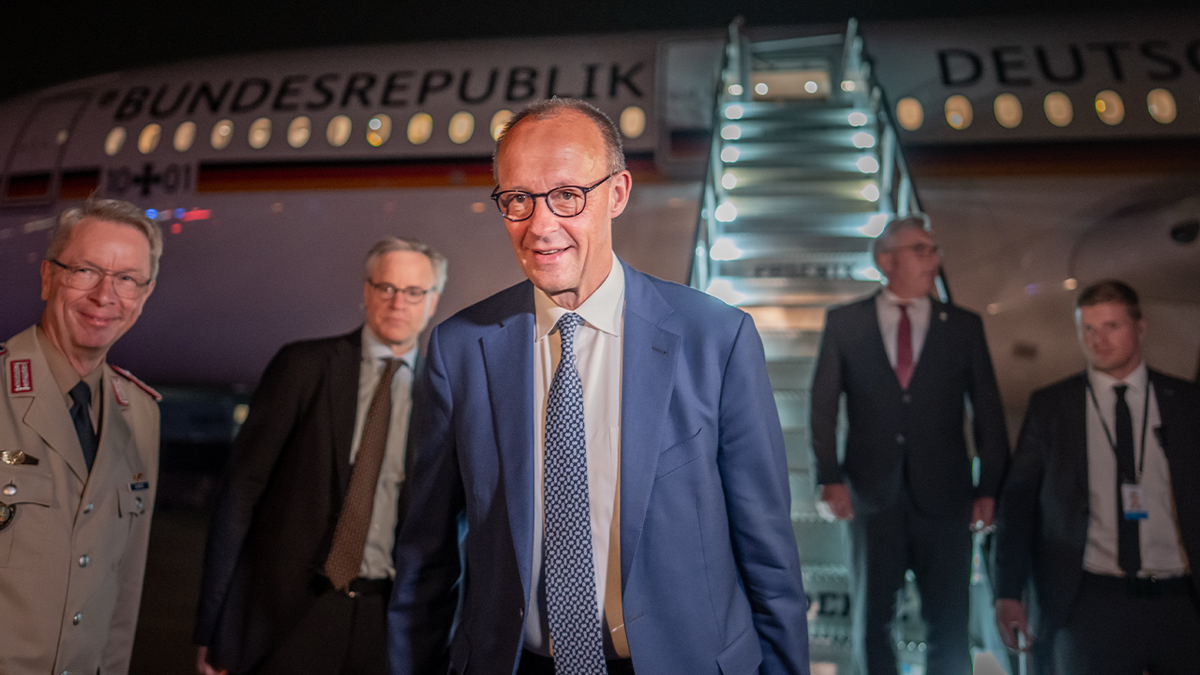
The use of the word “humiliated” proved to be the breaking point. By suggesting that Washington lacked an effective strategy to end the war, Merz touched upon a sensitive nerve regarding American prestige and military efficacy. This public disagreement has emboldened the Trump administration to revisit the cost and utility of maintaining large-scale troop deployments in countries that do not offer unconditional diplomatic support.
Beyond Germany: Trump’s Expanding Threats to Italy and Spain
The administration’s frustration is not limited to Berlin. In a recent expansion of his rhetoric, President Trump suggested that troop levels in Italy and Spain could also be subject to cuts. When questioned about the possibility, Trump indicated that these allies have not been “on board” with the U.S. Approach to the Iran conflict.
Trump specifically singled out Italy and Spain for their perceived lack of support, stating that Italy “has not been of any help” and describing Spain’s position as “horrible.” This suggests a broader strategy of using military footprints as leverage to compel European allies to align more closely with U.S. Foreign policy objectives in the Middle East.
The Strategic Weight of the U.S. Presence in Europe
The scale of the potential withdrawal is significant. According to data from the U.S. Defense Manpower Data Center (DMDC) released in December 2025, there are currently 36,436 active-duty U.S. Military personnel permanently stationed in Germany per CNN reporting. This represents the largest U.S. Military presence in any European nation.
Other key hubs are also under scrutiny. As of December, there were more than 12,600 active-duty U.S. Personnel stationed in Italy and more than 3,800 in Spain per DMDC data. Germany’s role is particularly vital due to facilities like the Ramstein Air Base, which provides essential support for U.S. Operations across Europe, Africa, and the Middle East.
While Germany has provided limited military support during the Iran war—most notably by allowing the use of its air bases—the Trump administration appears to view this as insufficient given the scale of the U.S. Commitment to the region’s security.
A Pattern of Pressure: From 2020 to the Present
This is not the first time the Trump administration has used troop levels as a bargaining chip. During his first term in office, Trump moved to reduce the U.S. Military presence in Germany, citing the country’s failure to meet NATO defense spending targets. In June 2020, he announced plans to withdraw approximately 9,500 of the 34,500 troops then stationed in Germany according to AP News.
That specific withdrawal process never fully materialized, as Democratic President Joe Biden formally stopped the planned pullout shortly after taking office in 2021. The recurrence of this threat in 2026 indicates a consistent philosophy: the administration views military basing not just as a strategic necessity, but as a political tool to ensure ally compliance and shared financial burdens.
Key Implications for the Transatlantic Alliance
- NATO Cohesion: Threats of unilateral troop withdrawals undermine the “collective defense” spirit of the alliance and may encourage other European nations to seek strategic autonomy from the U.S.
- Regional Stability: A reduction in forces at hubs like Ramstein could hinder the U.S. Ability to respond rapidly to crises in the Middle East or Eastern Europe.
- Diplomatic Precedent: Linking military basing to specific opinions on foreign wars sets a precedent where basing agreements are contingent on political agreement rather than long-term strategic treaties.
As the U.S. Continues its campaign against Iran, the stability of the U.S.-Germany relationship remains precarious. The administration’s “review” of troop levels suggests that the era of guaranteed U.S. Presence in Europe is being replaced by a transactional model of security.

The next critical checkpoint will be the upcoming determinations on troop levels, which President Trump indicated would be made over a “short period of time.” Whether this remains a diplomatic threat or evolves into a formal order for withdrawal will depend largely on whether Chancellor Merz and other European leaders adjust their public stances on the war in Iran.
What do you feel about the use of military basing as diplomatic leverage? Share your thoughts in the comments below or share this article to join the conversation.
Worth a look