
Trump Escalates Criticism of German Leader Merz Amidst Growing Disagreement on Iran Policy
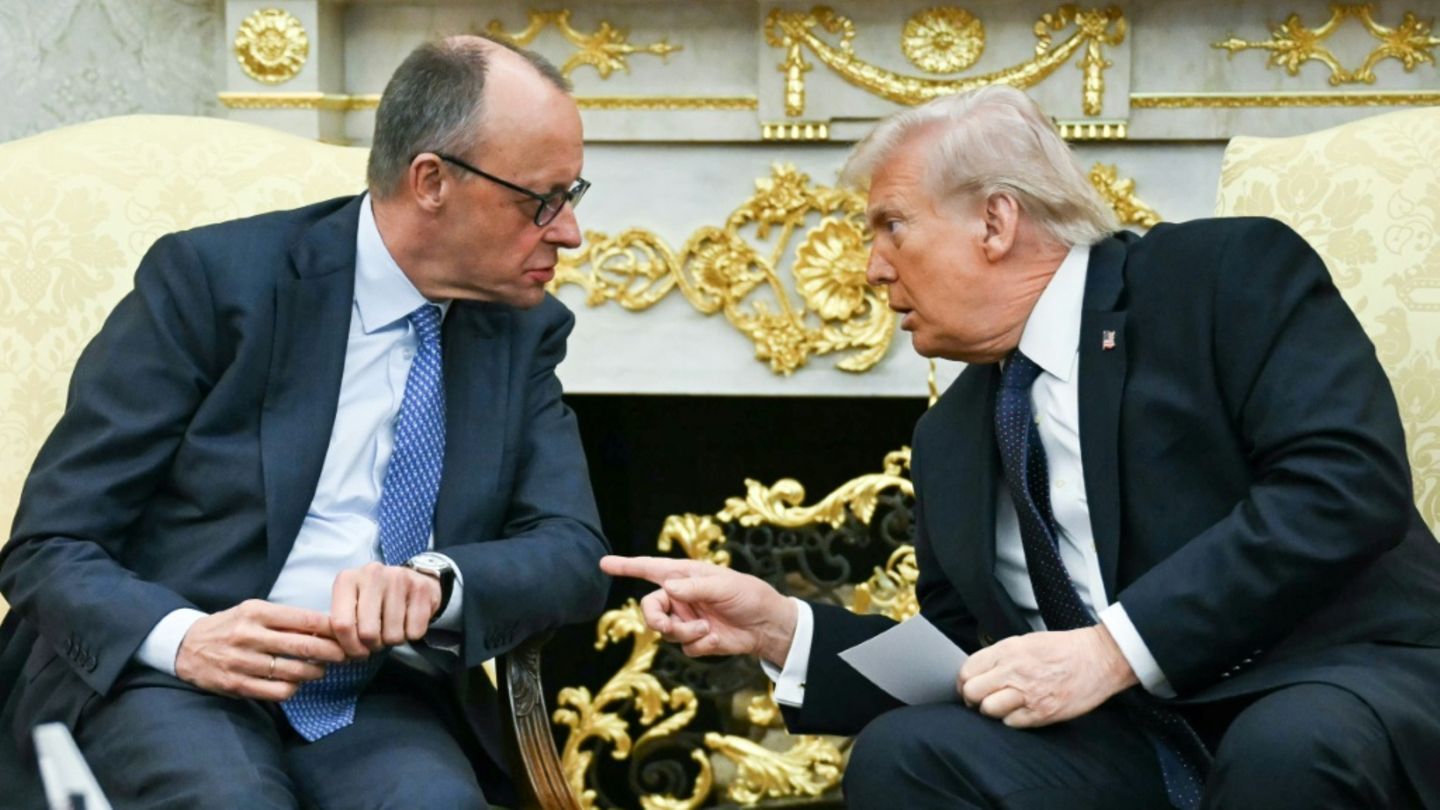
Washington – Former U.S. President Donald Trump has intensified his public criticism of Friedrich Merz, the leader of Germany’s Christian Democratic Union (CDU), signaling a widening rift between the two figures over approaches to the escalating tensions with Iran. The exchange highlights a broader strain in transatlantic relations as differing strategies emerge regarding international security and geopolitical challenges. This escalating dispute, occurring against the backdrop of ongoing global instability, raises questions about the future of U.S.-German cooperation and the potential implications for international diplomacy.
Trump’s latest remarks, delivered via his social media platform Truth Social, accuse Merz of weakness and a lack of understanding regarding the threats posed by Iran’s nuclear program and regional activities. The former president specifically criticized Merz’s stance on maintaining dialogue with Iran, a position Trump vehemently opposes. The core of the disagreement centers on the Joint Comprehensive Plan of Action (JCPOA), commonly known as the Iran nuclear deal, which Trump unilaterally withdrew the United States from in 2018. The JCPOA aimed to limit Iran’s nuclear program in exchange for sanctions relief.
A History of Uneasy Alliance
The relationship between Trump and Merz, while initially appearing cordial, has demonstrably deteriorated in recent months. Previously, there were indications of a relatively positive rapport, particularly during Merz’s efforts to foster closer ties between the CDU and the Republican Party. However, this dynamic shifted following Merz’s public statements advocating for a more nuanced approach to Iran, diverging from Trump’s hardline stance. The shift in tone reflects a fundamental disagreement on how to address Iran’s nuclear ambitions and its role in the Middle East.
Trump’s withdrawal from the JCPOA in 2018 and subsequent imposition of stringent sanctions on Iran have been a point of contention with European allies, including Germany, who have consistently argued for preserving the agreement as a means of preventing Iran from developing nuclear weapons. Germany, along with France and the United Kingdom, has remained committed to the JCPOA, despite the U.S. Withdrawal, and has sought to maintain diplomatic channels with Tehran. This commitment stems from a belief that the agreement, while imperfect, provides a crucial framework for monitoring and controlling Iran’s nuclear activities.
Merz’s Response and German Concerns
Friedrich Merz has responded to Trump’s criticisms with a measured tone, emphasizing the importance of transatlantic cooperation and the need for a unified approach to international challenges. He has reiterated his belief in the value of dialogue with Iran, while also acknowledging the legitimate concerns regarding Iran’s destabilizing activities in the region. Merz has consistently advocated for a strategy that combines diplomacy, sanctions, and deterrence to address the Iranian issue.
The German government, under Chancellor Olaf Scholz, has expressed concern over the escalating rhetoric and the potential for further escalation in the region. German officials have emphasized the importance of de-escalation and a return to diplomatic negotiations. Berlin has also voiced its commitment to upholding the JCPOA, despite the challenges posed by the U.S. Withdrawal. The German Foreign Office maintains a dedicated page outlining its policy towards Iran, emphasizing the need for a diplomatic solution.
Implications for Transatlantic Relations
The public spat between Trump and Merz underscores the growing tensions within the transatlantic alliance. The disagreement over Iran policy is just one example of a broader divergence in views on issues such as defense spending, trade, and climate change. These tensions have been exacerbated by Trump’s “America First” foreign policy approach, which prioritizes U.S. Interests over multilateral cooperation.

Analysts suggest that the current situation could have significant implications for the future of U.S.-German relations. A further deterioration in ties could undermine cooperation on a range of critical issues, including counterterrorism, cybersecurity, and economic stability. The potential for a more fractured transatlantic alliance raises concerns about the ability of the West to effectively address global challenges. The situation also highlights the importance of strong leadership and diplomatic engagement in navigating complex geopolitical landscapes.
The Iran Nuclear Deal: A Complex History
The JCPOA, reached in 2015 between Iran and the P5+1 (the United States, United Kingdom, France, China, Russia, and Germany), was hailed as a landmark achievement in nuclear diplomacy. The agreement imposed significant restrictions on Iran’s nuclear program in exchange for the lifting of economic sanctions. However, the deal has been criticized by some for its sunset clauses, which allow Iran to gradually resume certain nuclear activities after a specified period.
Trump’s decision to withdraw from the JCPOA in 2018 was met with widespread criticism from European allies and international observers. The U.S. Reimposed sanctions on Iran, leading to a sharp decline in the Iranian economy. Iran responded by gradually reducing its compliance with the JCPOA, enriching uranium to higher levels and increasing its stockpile of enriched material. Efforts to revive the JCPOA have stalled in recent months, with both sides accusing each other of intransigence.
Looking Ahead
The future of U.S.-German relations and the prospects for a diplomatic resolution to the Iranian issue remain uncertain. Trump’s continued criticism of Merz and his unwavering opposition to the JCPOA suggest that a significant shift in U.S. Policy is unlikely in the near term. The situation will likely continue to be closely monitored by international observers, as the potential for further escalation in the region remains a serious concern. The next key development to watch will be the outcome of ongoing negotiations between Iran and other parties to the JCPOA, as well as any potential responses from the U.S. Government.

The ongoing dispute serves as a stark reminder of the challenges facing the transatlantic alliance and the importance of maintaining open channels of communication and a commitment to multilateral cooperation. The ability of the U.S. And Germany to find common ground on issues such as Iran will be crucial for ensuring global stability and addressing shared security threats.
Key Takeaways:
- Donald Trump has publicly criticized Friedrich Merz over his stance on Iran, highlighting a growing rift between the two leaders.
- The disagreement centers on the JCPOA, with Trump opposing any return to the Iran nuclear deal.
- The escalating tensions raise concerns about the future of U.S.-German relations and transatlantic cooperation.
- Germany remains committed to the JCPOA and advocates for a diplomatic solution to the Iranian issue.
What are your thoughts on the evolving relationship between the U.S. And Germany? Share your perspectives in the comments below. Don’t forget to share this article with your network to keep the conversation going.
Related reading