The Federalization of the National Guard: A Legal battle and its Implications
The deployment of National Guard troops is typically a collaborative effort between state governors and the federal government. however, a recent legal challenge in Los Angeles has brought to the forefront a contentious issue: the extent of the federal government’s authority to federalize a state’s National Guard. This article delves into the specifics of the case,the historical context,the legal arguments,and the potential ramifications of this unprecedented move,focusing on the National Guard federalization dispute between the Trump management and the state of California. We’ll explore the complexities of this situation, examining its impact on states’ rights, emergency response protocols, and the delicate balance of power within the US system.
Historical Precedent and the Posse Comitatus Act
the power to deploy the National Guard is rooted in the US Constitution, specifically Article I, Section 8, which grants Congress the power to “provide for the organizing, arming, and disciplining the Militia.” Traditionally, the National Guard operates under the dual control of state governors (for state emergencies) and the President (for federal missions). Though, the Posse Comitatus Act of 1878 generally prohibits the use of the US military for domestic law enforcement purposes.
Federalizing the National Guard – bringing it under direct federal control – is a rare occurrence, typically reserved for wartime or national emergencies. While the President has the authority to federalize units, it’s usually done with the governor’s consent. The recent case in Los Angeles represents a significant departure from this norm.
The Los Angeles Deployment and Legal Challenge
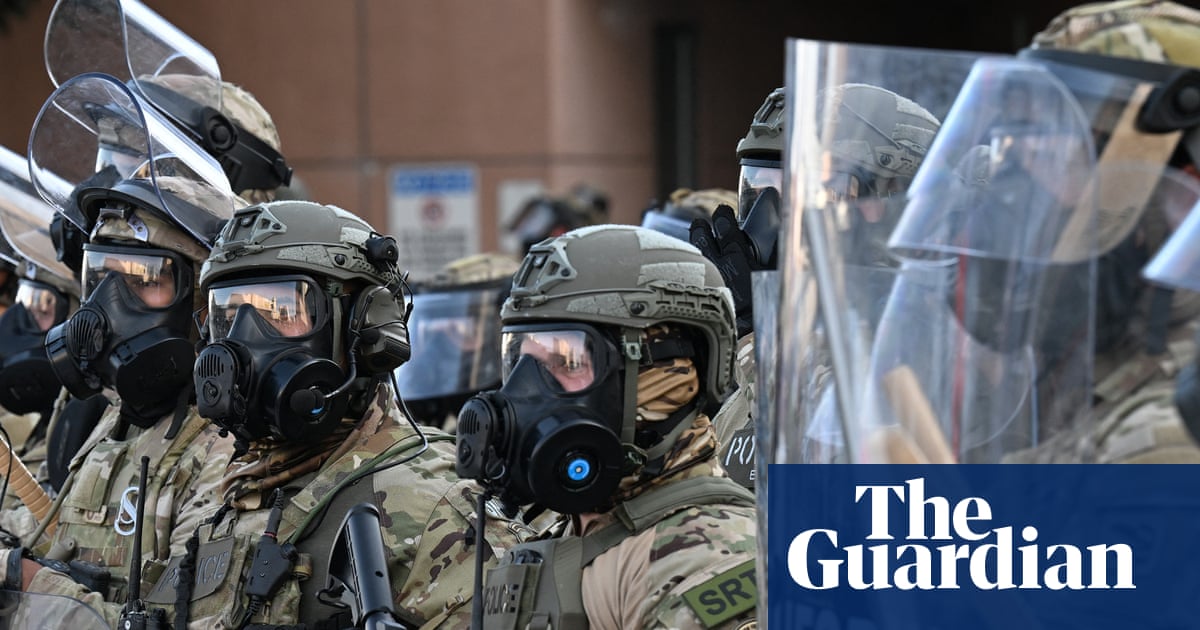
In June, the Trump administration federalized approximately 4,000 California National Guard troops and deployed them to Los Angeles in response to protests following immigration raids. This action was taken despite strong opposition from California Governor Gavin newsom,who deemed the move ”unprecedented and illegal.” Newsom argued that the federal government lacked the legal justification to override the state’s control over its National Guard.
The legal challenge, filed in federal court, centers on whether the administration’s rationale for federalizing the Guard – ostensibly to protect federal property – was legitimate and within the bounds of the law.The state of California contends that the deployment was politically motivated and an overreach of federal power.
the Court Ruling and its Immediate Impact
On Wednesday morning, a US judge issued a significant ruling, blocking the continued deployment of federalized National Guard troops in Los angeles and ordering their return to the control of Governor Newsom.This decision represents a major victory for the state of California and a rebuke of the Trump administration’s actions. The court filing indicated the judge found the federal government’s justification for maintaining command over the troops insufficient.
This ruling doesn’t necessarily resolve the underlying legal questions, but it immediately halts the contested deployment. It also sets a precedent that could influence future disputes over National Guard control.
Key Legal Arguments and Nuances
The case hinges on several complex legal arguments:
* The Scope of Federal Authority: The core question is whether the federal government has the authority to federalize a state’s National Guard without the governor’s consent,especially when the stated purpose is related to domestic law enforcement.
* The posse Comitatus Act Exceptions: the administration likely argued that the deployment fell under an exception to the Posse Comitatus act, perhaps citing the protection of federal property. However, the court evidently found this justification unconvincing.
* States’ Rights vs. federal Power: This case highlights the ongoing tension between states’ rights and the federal government’s authority, a recurring theme in American legal history.
* Emergency Management Protocols: The incident raises questions about the established protocols for emergency management and the coordination between federal and state authorities.
- Mercedes Crisis: CEO Pushes for Longer Hours as IG Metall Union Resists Cost-Cutting Measures
- Lee Jae-myung Concludes 2nd Ministerial Work Reports
- Egyptian Security Forces Arrest Two Men for Fake Judge Housing Scam (archyworldys.com)
- Trump’s Former Lawyer Clears Key Hurdle for Attorney General Role (world-today-news.com)