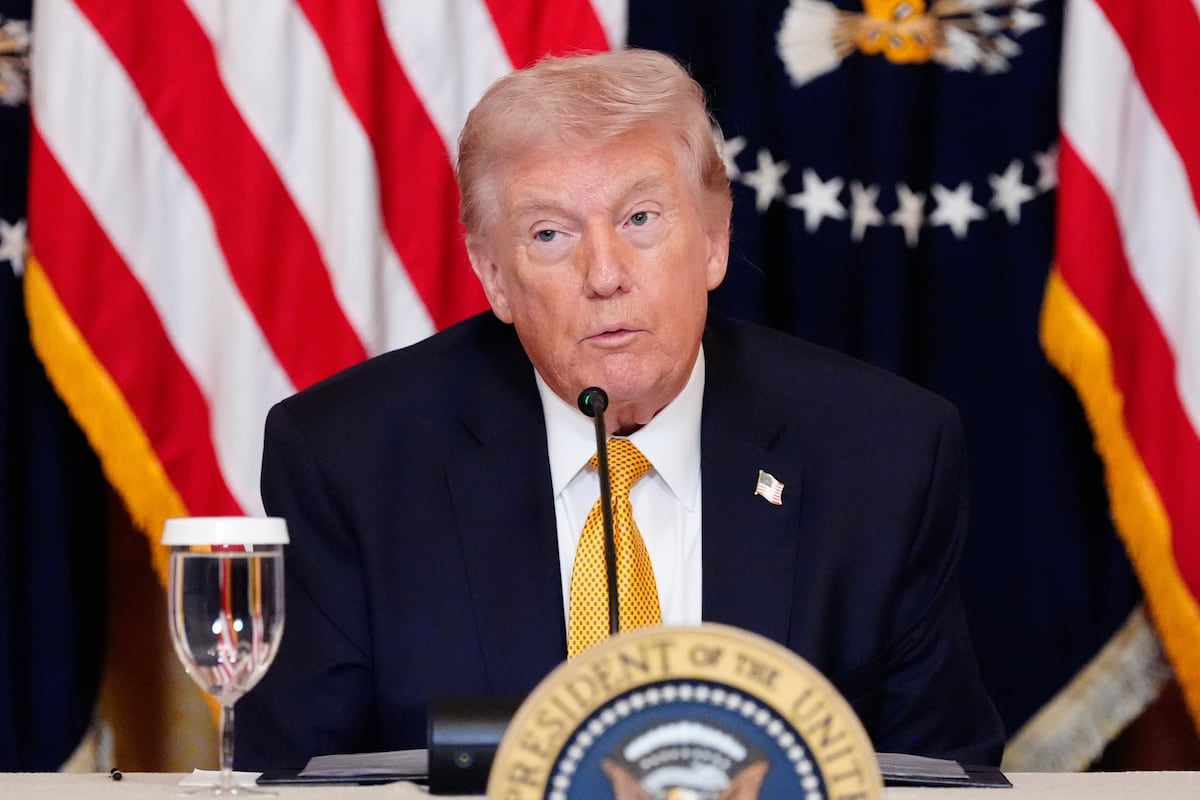
The escalating conflict between the United States and Iran, now entering its third week, is prompting a frantic diplomatic push from Washington as it seeks international assistance to secure the vital Strait of Hormuz. The waterway, through which approximately 20% of the world’s oil and liquefied natural gas flows, has been effectively closed due to Iranian actions, raising fears of global economic disruption and soaring energy prices. President Donald Trump has publicly called on allies to provide naval escorts for commercial shipping, but initial responses have been largely negative, highlighting growing tensions with key partners and raising questions about the long-term strategy in the region. The situation is further complicated by ongoing Israeli strikes within Iran and retaliatory drone attacks targeting infrastructure in the United Arab Emirates.
The current crisis stems from a U.S.-Israeli military campaign against Iran, initiated on February 28th, according to reports. While the precise objectives and scope of the operation remain somewhat opaque, Trump has claimed that the joint military effort has targeted “7,000 objectives, mostly military and commercial,” and significantly degraded Iran’s missile and drone capabilities – reducing missile stockpiles by 90% and drone numbers by 95%. These claims, however, have not been independently verified and are presented as part of the administration’s effort to demonstrate progress in the face of international criticism and logistical challenges. The closure of the Strait of Hormuz is being viewed by Iran as a key means of responding to the ongoing military pressure.
Allied Hesitation and Trump’s Frustration
Despite the urgency of the situation, several key U.S. Allies – including Germany, Spain, and Italy – have indicated they have no immediate plans to contribute warships to a potential escort mission in the Strait of Hormuz. This reluctance has drawn sharp criticism from President Trump, who accused Western partners of ingratitude, suggesting they have benefited from decades of U.S. Protection. “I said, ‘We’ve been protecting you for 40 years, and you don’t want to get involved in something so insignificant?’” Trump reportedly stated during a press conference Monday, adding that he believes “particularly few shots” will be fired because “they don’t have many bullets left.” This rhetoric, while characteristic of the President, underscores the growing strain in transatlantic relations and the difficulty of building a broad international coalition to address the crisis.
The situation is particularly sensitive given the economic implications of a prolonged disruption to oil flows. The price of gasoline in the United States has already risen sharply since the conflict began, with increases of nearly 25% reported. A sustained blockade of the Strait of Hormuz could trigger a broader global recession, impacting economies far beyond the Middle East. The United States launched an attack on Friday targeting Kharg Island, a key Iranian oil hub, though Trump clarified that the target was military facilities rather than the refineries themselves. On Saturday, he publicly appealed to China, France, Japan, South Korea, the United Kingdom, and other affected nations to deploy warships to maintain safe passage through the waterway.
Escalating Regional Tensions and Military Actions
Beyond the immediate concerns surrounding the Strait of Hormuz, the conflict is rapidly escalating across the region. Israel announced Monday the commencement of “limited and targeted ground operations” against Hezbollah strongholds in southern Lebanon, leading to displacement of residents in the area. Simultaneously, Israeli airstrikes continued to target sites within Iran overnight, while Iranian drone attacks temporarily shut down Dubai International Airport and struck a key oil facility in the United Arab Emirates. These attacks demonstrate the widening scope of the conflict and the potential for further escalation. The Dubai airport disruption, in particular, highlights the vulnerability of critical infrastructure in the region to Iranian retaliatory strikes.
The human cost of the conflict is also mounting. More than 2,000 people have been killed across the Middle East, with over 1,200 fatalities reported in Iran due to Israeli and American strikes, according to the Iranian Red Crescent Society. Lebanon has seen at least 850 deaths, while Israel has reported 13 casualties. Thirteen U.S. Service members have also been killed, with two additional deaths attributed to non-combat causes. These figures, while tragic, are likely to increase as the conflict continues and intensifies.
The Role of China and Other Key Players
President Trump’s call for assistance extends beyond traditional U.S. Allies, with a particular emphasis on China’s role in securing the Strait of Hormuz. China is a major consumer of Middle Eastern oil and has significant economic interests in the region. However, Beijing has historically maintained a policy of non-interference in regional conflicts and has close economic ties with Iran. Whether China will respond positively to Trump’s request remains uncertain. The involvement of other key players, such as Japan and South Korea, both heavily reliant on oil imports from the Gulf, is also crucial to resolving the crisis. Their decisions will likely be influenced by a complex interplay of economic considerations, security concerns, and diplomatic pressures.
The situation is further complicated by the internal political dynamics within the United States. Susie Wiles, President Trump’s Chief of Staff, was recently diagnosed with breast cancer, adding a personal dimension to the already high-stakes political environment. The President’s ongoing efforts to rally support for his policies, including a recent event at the Kennedy Center, demonstrate his commitment to maintaining a strong public profile and projecting an image of strength and resolve. However, the lack of clear international support and the escalating regional tensions pose significant challenges to his administration’s strategy.
Looking Ahead: Potential Scenarios and Diplomatic Efforts
The immediate future remains highly uncertain. Several scenarios are possible, ranging from a negotiated ceasefire to a further escalation of the conflict. A key factor will be Iran’s willingness to engage in meaningful negotiations and to de-escalate its actions in the Strait of Hormuz. The United States and Israel have repeatedly stated their willingness to pursue a diplomatic solution, but have also emphasized their commitment to defending their interests and ensuring regional stability. The involvement of third-party mediators, such as the United Nations or European Union, could be crucial in facilitating dialogue and reaching a peaceful resolution.
The ongoing conflict has exposed deep divisions within the international community and highlighted the limitations of U.S. Influence in the Middle East. The reluctance of key allies to join a military coalition underscores the growing skepticism towards U.S. Foreign policy and the desire for a more multilateral approach to regional security. The crisis also serves as a stark reminder of the vulnerability of global energy supplies and the potential for disruptions to have far-reaching economic consequences. The next few weeks will be critical in determining the trajectory of the conflict and its impact on the region and the world.
As of today, March 16, 2026, the situation remains fluid and unpredictable. Further developments are expected in the coming days, including potential responses from Iran to the latest Israeli and American strikes, and continued diplomatic efforts to secure the Strait of Hormuz. World Today Journal will continue to provide comprehensive and up-to-date coverage of this evolving crisis. We encourage readers to share their thoughts and perspectives in the comments section below.
Related reading