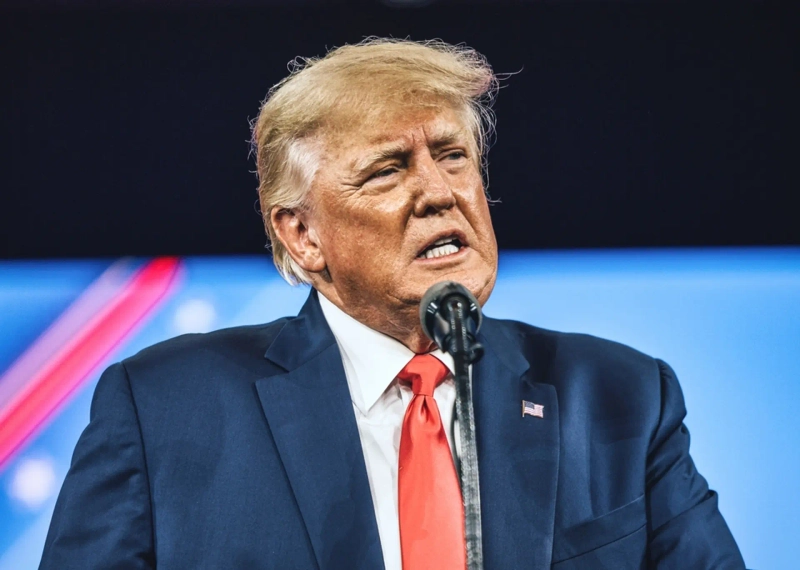
Washington D.C. – Amidst heightened tensions in the Middle East, former U.S. President Donald Trump has affirmed that a deployment of American ground troops to secure Iranian nuclear facilities is currently not under consideration. This statement comes as concerns mount over Iran’s nuclear program and the potential for regional escalation, following reports that both the U.S. And Israel have been discussing options to secure or neutralize Iran’s enriched uranium stockpiles. The situation is further complicated by recent leadership changes within Iran and ongoing geopolitical maneuvering.
Trump’s comments, reported by Walter Bloomberg on March 9th, were made in response to a question regarding the possibility of deploying U.S. Forces to secure the nuclear facility in Isfahan. “We’re not at that stage yet,” he stated, indicating that a military intervention remains a distant prospect. The former president also expressed dissatisfaction with the appointment of Mostafa Khamenei as the new Supreme Leader of Iran, succeeding Ayatollah Ali Khamenei, who recently passed away. While critical of the appointment, Trump did not elaborate on any specific retaliatory measures the U.S. Might take. This cautious approach follows a pattern of carefully calibrated statements regarding Iran, balancing strong rhetoric with a reluctance to commit to immediate military action.
Concerns Over Iran’s Nuclear Capabilities
The core of the current concern revolves around Iran’s growing stockpile of enriched uranium. According to reports from the International Atomic Energy Agency (IAEA), Iran continues to enrich uranium to levels that raise alarm among international observers. Specifically, the focus is on the approximately 450 kilograms of 60% enriched uranium, which, as Axios reported, is close to the threshold needed for weapons-grade material. The process of further enriching this uranium to 90% – the level required for a nuclear weapon – is technically achievable with continued operation of Iran’s centrifuges. This proximity to weapons-grade material has prompted discussions within the Trump administration and Israeli officials about proactive measures to prevent Iran from developing a nuclear weapon. The U.S. Department of Defense has acknowledged the seriousness of the situation, with Under Secretary of Defense Elbridge Colby stating they are “very focused on the high-enriched uranium problem.”
The Isfahan nuclear facility, specifically, has become a focal point of these concerns. The facility is believed to be a key component in Iran’s uranium enrichment program, and reports suggest it serves as a transit point for uranium. The possibility of securing or neutralizing this facility has been a subject of intense debate, with some advocating for a direct military intervention while others favor diplomatic solutions. The recent reports of potential special forces operations, as detailed by Newsis, underscore the urgency with which the U.S. And Israel are approaching this issue. These discussions are taking place against a backdrop of escalating regional tensions, with the potential for miscalculation and unintended consequences.
Potential for Military Intervention – A Delicate Balance
While President Trump has stated that a ground troop deployment is not currently planned, the possibility has not been entirely ruled out. The administration is reportedly considering two main options: either physically removing the enriched uranium from Iran or deploying nuclear experts to dilute it on-site. Both options carry significant risks and logistical challenges. A military operation to seize the uranium would likely be met with resistance from Iranian forces and could trigger a wider conflict. Diluting the uranium on-site would require access to the facility and cooperation from Iranian authorities, which is unlikely given the current political climate. The decision on whether to deploy troops remains pending, with the administration closely monitoring the situation and assessing the potential risks and benefits of each course of action.
The Fordow Facility and Previous U.S. Actions
The Fordow Fuel Enrichment Plant, another key Iranian nuclear site, has also been a target of concern. As reported by the Central Daily News, former President Trump previously claimed to have “taken out” the Fordow facility, along with sites in Natanz, and Isfahan. This claim, made on his Truth Social platform, highlights the aggressive stance Trump has taken towards Iran’s nuclear program. The Fordow facility is particularly sensitive due to its location deep underground, making it difficult to destroy. It is believed to house a significant portion of Iran’s enriched uranium, including approximately 408 kilograms of uranium enriched to 60%, according to the International Science and Security Institute (ISIS). Both the U.S. And Israel have identified Fordow as a critical target in any potential military operation aimed at dismantling Iran’s nuclear capabilities.
The recent tensions also approach after reported U.S. Airstrikes on Iranian nuclear facilities. As noted in the Central Daily News, Trump publicly acknowledged strikes on these facilities in June 2025. These actions, coupled with the ongoing discussions about potential special forces operations, demonstrate the escalating pressure being applied to Iran to curb its nuclear ambitions. The international community remains deeply concerned about the potential for Iran to develop a nuclear weapon, and the U.S. And its allies are determined to prevent that outcome.
The New Supreme Leader and Regional Implications
The appointment of Mostafa Khamenei as Iran’s new Supreme Leader adds another layer of complexity to the situation. Trump’s expressed dissatisfaction with this appointment suggests a potential hardening of the U.S. Position towards Iran. Mostafa Khamenei is seen by some as a hardliner, and his leadership could lead to a more confrontational approach to negotiations with the West. This could further complicate efforts to revive the 2015 nuclear deal, known as the Joint Comprehensive Plan of Action (JCPOA), which aimed to limit Iran’s nuclear program in exchange for sanctions relief. The JCPOA has been effectively defunct since the U.S. Withdrew from the agreement in 2018 under the Trump administration.
The broader regional implications of the situation are also significant. The ongoing conflict between Israel and Hamas, and the potential for a wider regional war, add to the instability in the Middle East. A nuclear-armed Iran would further exacerbate these tensions and could trigger a nuclear arms race in the region. The U.S. Is committed to preventing Iran from acquiring a nuclear weapon, and is prepared to take necessary measures to achieve that goal. However, the path forward remains uncertain, and the risk of miscalculation and escalation remains high.
Key Takeaways
- Former President Trump has stated that a U.S. Ground troop deployment to secure Iranian nuclear facilities is not currently planned.
- Concerns center around Iran’s stockpile of 60% enriched uranium, which is nearing weapons-grade levels.
- The U.S. And Israel are reportedly discussing options to secure or neutralize Iran’s enriched uranium, including potential special forces operations.
- Trump has expressed dissatisfaction with the appointment of Mostafa Khamenei as Iran’s new Supreme Leader.
- The situation remains volatile, with the potential for escalation and wider regional conflict.
The coming weeks will be critical in determining the next steps in this evolving situation. The U.S. Administration is expected to continue monitoring the situation closely and consulting with its allies, particularly Israel, to develop a coordinated response. Further developments are anticipated as the international community grapples with the challenge of preventing Iran from acquiring a nuclear weapon. Readers are encouraged to stay informed through reliable news sources and engage in constructive dialogue about this important issue.
Keep reading
- Square Enix Blames “Human Error” for Controversial Kingdom Hearts Artwork
- Beyond the Gates Weekly Spoilers August 3-7: Bill Hits Rock Bottom as Eva Faces Grim Tidings
- Trump Slams Iran’s Duplicity and Warns Blockade Will Remain Amid Stalled Talks (world-today-news.com)
- Cisco at TechNet Augusta 2026: Secure Tactical Edge Solutions (news-usa.today)