
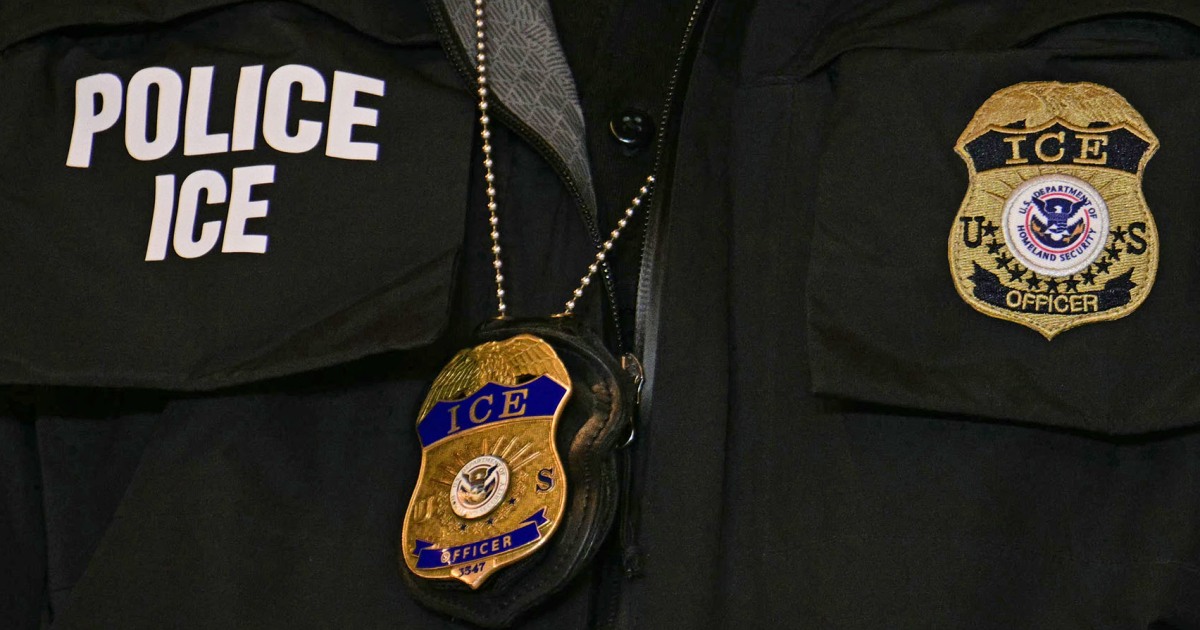
President-elect Donald Trump has announced his intention to nominate Lance Schroyer, a former Oklahoma State Trooper, to serve as the director of U.S. Immigration and Customs Enforcement (ICE). The selection of Schroyer has drawn significant attention, with reports emerging of friction within the transition team regarding the decision-making process for key immigration appointments.
The nomination of Schroyer, a law enforcement professional, represents a central component of the incoming administration’s approach to federal immigration enforcement. While the transition team continues to finalize cabinet and agency leadership roles, the announcement has sparked internal discussions regarding the influence of various advisors on the vetting and selection of candidates.
Background on the ICE Nomination
Lance Schroyer is a former Oklahoma State Trooper whose professional background has been highlighted by supporters as a qualification for the rigorous demands of leading ICE. The agency is responsible for enforcing federal laws governing border control, customs, trade, and immigration. According to official statements from the Department of Homeland Security, the leadership of ICE is a critical position for the execution of executive branch policy concerning interior enforcement and deportation operations.

The nomination process for federal agency directors requires Senate confirmation. As the transition team prepares for the upcoming administration, the selection of Schroyer signals an emphasis on individuals with state-level law enforcement experience. This approach aligns with broader stated goals of the incoming administration to utilize local and state partnerships to enhance federal immigration enforcement capabilities.
Internal Dynamics and Transition Oversight
Reports regarding the internal reaction to the nomination have centered on the role of Stephen Miller, who has been a prominent voice on immigration policy within the transition. According to reporting from major news outlets, there have been indications of differing perspectives among advisors regarding how specific candidates for the immigration portfolio were selected.

These reports suggest that the internal vetting process for agency heads has involved multiple stakeholders, leading to instances where certain advisors felt bypassed during the final stages of candidate selection. While the transition team has not issued a formal statement confirming specific internal disagreements, political analysts note that such tensions are common during the formation of a new administration, particularly regarding high-profile roles involving sensitive policy areas like border security.
Professional Experience and Legislative Process
Lance Schroyer’s career includes service within the Oklahoma state law enforcement infrastructure. His supporters, including Oklahoma officials, have publicly praised the nomination as a positive development for the agency. The role of ICE director involves overseeing thousands of personnel and managing complex operational challenges, ranging from detention facility management to the investigation of transnational criminal organizations.
The next steps in the process involve a formal background check and a confirmation hearing conducted by the Senate. During these proceedings, the Senate Committee on Homeland Security and Governmental Affairs will evaluate Schroyer’s qualifications, professional history, and his policy approach toward the agency’s mission. The confirmation process serves as the primary mechanism for legislative oversight of executive appointments, ensuring that nominees meet the requirements for high-level federal service.
What Happens Next
The formal nomination of Lance Schroyer will be submitted to the Senate for consideration following the inauguration. The Senate is expected to hold hearings where the nominee will provide testimony regarding his priorities for ICE, including his approach to staffing, resource allocation, and the implementation of administration directives. Interested observers can monitor the progress of the nomination through official notices published by the White House and the Senate committee schedules.

As the transition continues, the focus remains on the confirmation of the full cabinet and the appointment of key agency leadership. Readers are encouraged to follow the official records of the Senate for updates on hearing dates and committee votes. We welcome your thoughts on these developments in the comments section below.