
President Donald Trump has intensified his criticism of the North Atlantic Treaty Organization (NATO), expressing profound disappointment over what he describes as a lack of support from alliance members during the United States’ military campaign against Iran. The tension between Washington and its European allies has reached a critical point as the U.S. Moves to secure vital maritime corridors and neutralize Iranian military capabilities.
The friction centers on the strategic effort to reopen the Strait of Hormuz, a critical global shipping lane that was closed by Tehran during the conflict. President Trump has explicitly linked the lack of early intervention by NATO allies to a broader reassessment of the United States’ financial and military commitments to the alliance, signaling a potential shift in the transatlantic security architecture.
In recent statements, the U.S. Administration has confirmed that military operations have successfully weakened Iran’s missile capabilities. A primary objective remains the absolute prevention of Tehran acquiring nuclear weapons, a goal that Trump asserts is essential for regional stability and the prevention of Iranian dominance in the Middle East.
The diplomatic rift has become public and pointed, with the U.S. President suggesting that the alliance failed the United States in its hour of need. This sentiment has led to discussions within the White House regarding punitive measures for “uncooperative” member states, ranging from the reallocation of American troops to a potential complete withdrawal from the alliance.
Trump’s Disappointment and the NATO Rift
During a meeting with NATO Secretary General Mark Rutte, President Trump expressed “clear disappointment” regarding the level of support provided by several alliance members for the joint U.S.-Israeli war against Iran CNN Arabic. While Rutte described the conversation as a “frank and open discussion between two close friends,” the aftermath of the meeting saw a continuation of the president’s sharp rhetoric.

Trump took to his Truth Social platform to voice his frustrations, stating that “NATO was not there when we needed it and it will not be there if we need it again.” He further criticized the management of Greenland, referencing it as a “badly managed piece of ice” in a broader critique of the alliance’s utility and efficiency CNN Arabic.
The Secretary General attempted to mitigate the tension by noting that many European nations did provide assistance through alternative channels. According to Rutte, this support included logistical aid, air cover, and the provision of military bases, though he acknowledged the president’s feeling that the support did not meet his expectations CNN Arabic.
Strategic Pressure and the Strait of Hormuz
A central point of contention is the maritime blockade of the Strait of Hormuz and Iranian ports. President Trump has announced the initiation of a blockade to counter Tehran’s closure of the strait, a move he claimed would be supported by the U.S. Navy, Gulf states, and eventually the alliance. However, the delay in NATO’s response to these specific efforts has fueled the president’s anger.
Speaking to Fox News, Trump highlighted the financial burden the U.S. Carries, stating that Washington “pays trillions of dollars to the alliance” Al Jazeera. He revealed that the U.S. Is now considering a review of this financial support. While some countries, including Britain, have begun sending mine-sweepers to help clear the strait, Trump maintains that the assistance came too late.
The strategic importance of the Strait of Hormuz cannot be overstated, as it serves as the primary artery for global oil shipments. The U.S. Effort to “clean” the strait is now underway, but the political fallout from the delayed international response continues to shape the administration’s foreign policy toward Europe.
Proposed Penalties and Troop Withdrawals
The U.S. Administration is not merely venting frustration; It’s exploring tangible consequences for NATO members perceived as insufficiently supportive. According to reports from the Wall Street Journal, President Trump is studying a plan to punish members who failed to provide adequate support to the U.S. And Israel during the war against Iran Sky News Arabia.
The proposed strategy involves a significant shift in military posture:
- Withdrawing U.S. Forces from NATO countries deemed “uncooperative” in the campaign against Iran.
- Redeploying those troops to countries that provided greater support for the U.S. Military campaign.
- A comprehensive review of the U.S. Financial contributions to the alliance.
White House spokesperson Karoline Leavitt confirmed that the possibility of withdrawing from NATO is a topic the president has discussed and intended to address further in meetings with Secretary General Mark Rutte Sky News Arabia.
Impact on Iranian Military Capabilities
Despite the diplomatic turmoil with allies, the Trump administration maintains that its military strategy against Iran is yielding results. The president has emphasized that U.S. Operations have successfully weakened Iran’s missile capabilities, significantly reducing Tehran’s ability to project power in the region Al Jazeera.
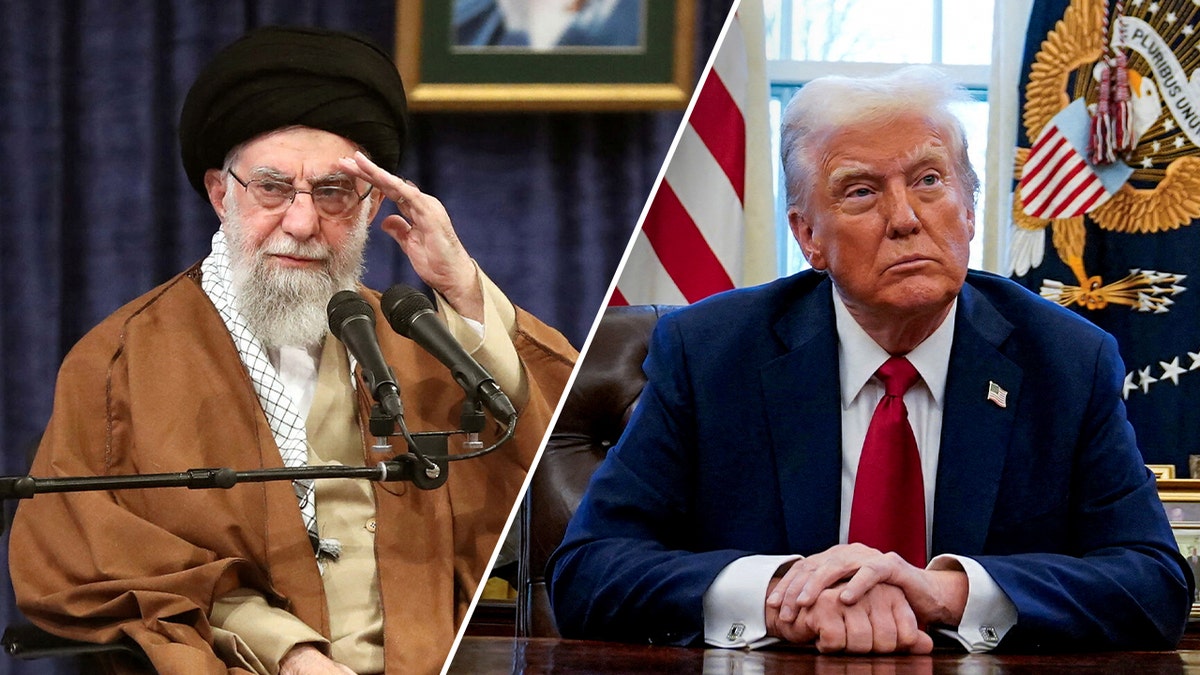
The overarching goal of the current military and economic pressure is to ensure that Iran is permanently blocked from developing nuclear weapons. By combining a naval blockade of Iranian ports with targeted military strikes, the U.S. Aims to dismantle the infrastructure that supports Tehran’s regional ambitions.
This “maximum pressure” approach is intended to prevent Iran from exerting control over the Middle East, a goal the president has repeatedly highlighted as a cornerstone of his national security strategy.
Key Takeaways of the U.S.-NATO Tension
- Financial Review: The U.S. Is reconsidering the “trillions of dollars” provided to NATO due to perceived lack of support in the Iran conflict.
- Military Realignment: Washington is considering withdrawing troops from uncooperative NATO states and moving them to supportive allies.
- Maritime Focus: The reopening of the Strait of Hormuz remains a primary military objective, with the U.S. Criticizing the slow response of allies in providing mine-clearing assets.
- Strategic Goal: The U.S. Continues to prioritize the destruction of Iranian missile capabilities and the prevention of nuclear weapon acquisition.
The next critical checkpoint for the alliance will be the ongoing discussions between the White House and NATO leadership regarding the financial and military contributions of member states. Further updates on the status of the Strait of Hormuz and the deployment of additional international mine-sweepers are expected as the operation continues.
We invite our readers to share their perspectives on the evolving relationship between the U.S. And NATO in the comments below. How should the alliance balance regional conflicts with collective security?
- NDTV’s AI Strategy: Why Publishers Must Build Beyond the Models
- Ukraine Launches Massive Drone Strike Deep Into Russia, Targeting Oil Refineries and Logistics Hubs
- Trump Adopts Wait-And-See Approach To Iran Amid Strait Of Hormuz Talks (archyworldys.com)
- Trump’s National Guard Deployment in DC Extended to 2029 Amid Autonomy Concerns (archynewsy.com)