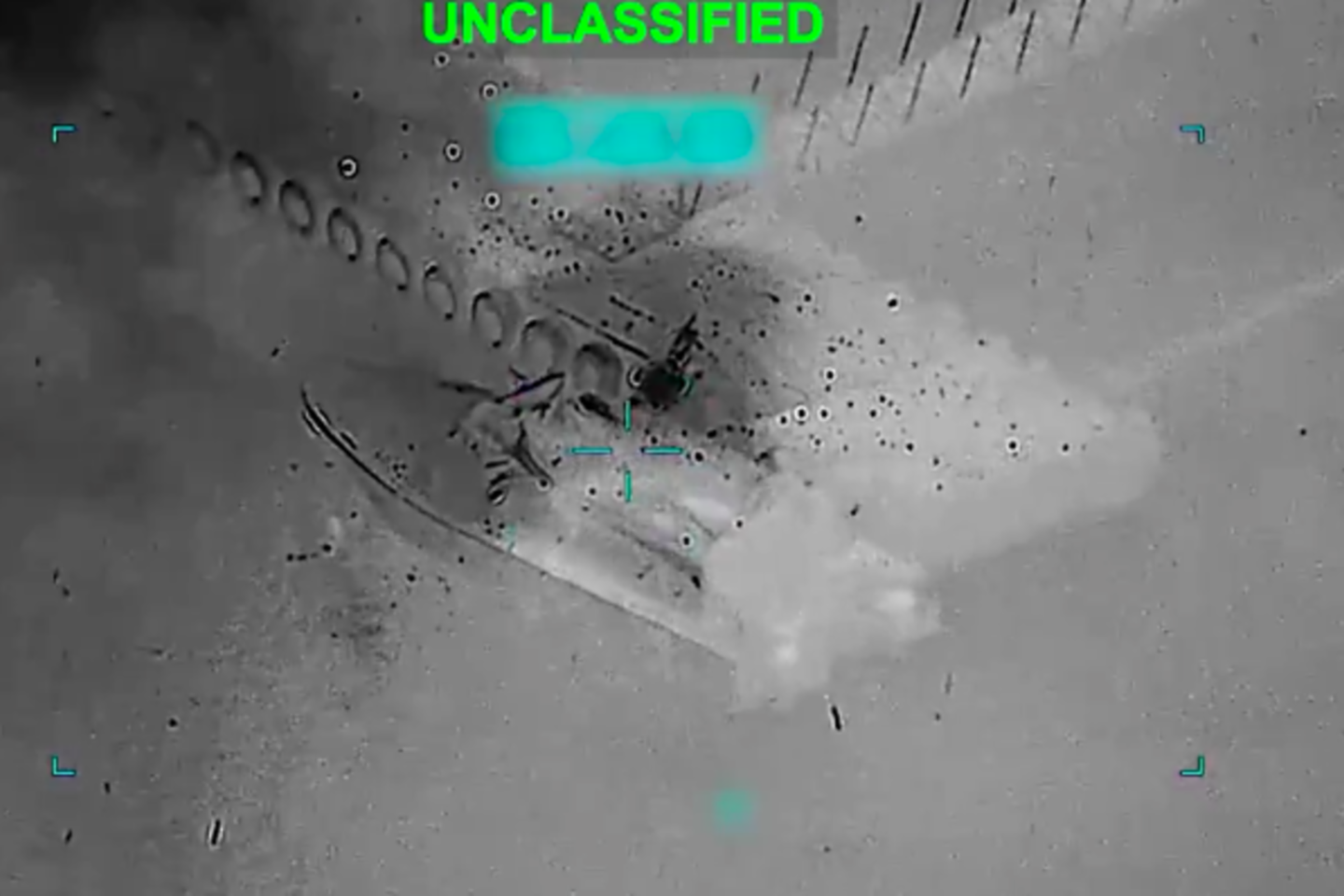
Sofia, Bulgaria – Escalating tensions in the Middle East have prompted a series of retaliatory strikes and heightened concerns about regional stability. Recent reports indicate a complex series of events involving the United States, Israel, Iran, and proxy groups, with claims of attacks and counter-attacks unfolding across multiple fronts. While the situation remains fluid and information is still developing, the exchange of fire has raised fears of a wider conflict. The core of the current crisis centers around alleged Iranian support for regional militant groups and concerns over Iran’s nuclear ambitions, a long-standing point of contention with the United States and its allies.
The United States, under President Donald Trump, has adopted a firm stance against Iran, signaling a willingness to confront what it perceives as destabilizing actions. Trump has repeatedly stated his commitment to preventing Iran from acquiring nuclear weapons and has accused the Islamic Republic of supporting terrorism and undermining regional security. This policy has led to increased sanctions and a heightened military presence in the region, contributing to the current volatile environment. The recent escalation appears to be a direct response to actions attributed to Iranian-backed forces, with both the U.S. And Israel asserting their right to self-defense. Understanding the nuances of these complex geopolitical dynamics is crucial to assessing the potential trajectory of the conflict and its implications for global security.
The situation is further complicated by the involvement of various non-state actors and the potential for miscalculation. Proxy groups, supported by Iran, have launched attacks against U.S. And allied interests in the region, prompting retaliatory strikes. This cycle of violence risks spiraling out of control, potentially drawing in other regional powers and escalating the conflict into a broader war. The Hormuz Strait, a vital waterway for global oil supplies, remains a key flashpoint, with concerns that Iran might attempt to disrupt shipping lanes. Any disruption to oil flows could have significant economic consequences worldwide. The international community is urging restraint and calling for a diplomatic solution to de-escalate tensions and prevent further bloodshed.
Recent Developments and Confirmed Actions
Reports from March 10, 2026, indicate that Iran was preparing to deploy naval mines in the Hormuz Strait, a strategically important waterway. According to sources cited by Lithuanian National Radio and Television (LRT), President Trump warned of “unprecedented” consequences should Iran proceed with such a deployment. However, the U.S. Government stated it had not yet received confirmation of the mine deployment. This warning underscores the sensitivity surrounding the Hormuz Strait and the potential for a rapid escalation of hostilities. The U.S. Navy maintains a significant presence in the region to ensure freedom of navigation and deter any attempts to disrupt maritime traffic.
Simultaneously, a military base in Al Azrak, Jordan, was reportedly attacked with ballistic missiles launched from Iran on the evening of March 10th. The strike specifically targeted the German contingent within the base, which also hosts U.S. Air Force personnel. LRT reported, citing German media outlet Der Spiegel, that the attack resulted in the destruction of a German barracks. This incident represents a direct attack on allied forces and further escalates tensions in the region. The response from the U.S. And its allies is expected to be significant, potentially leading to further retaliatory strikes.
Adding another layer of complexity, reports emerged regarding a change in Iran’s leadership. The Iranian Council of Experts reportedly selected Mojtaba Khamenei as the new Supreme Leader of the country. This development, reported by the Iranian news agency Fars, could have significant implications for Iran’s domestic and foreign policies. The succession of a new Supreme Leader often leads to a period of internal consolidation and potential shifts in strategic direction. The international community will be closely watching how the new leadership approaches the ongoing crisis and whether it signals a willingness to engage in diplomatic negotiations.
Trump’s Assessment and Iranian Response
President Trump has characterized the U.S. And Israeli operation against Iran as a “short-term” action, suggesting a limited scope and duration. He stated that “victory, in many ways, has already been achieved,” during a conference at the White House. As reported by TV3.lt, Trump expressed confidence in the U.S.’s current position, indicating a belief that the operation is nearing completion. However, this assessment contrasts sharply with the response from Iran’s Islamic Revolutionary Guard Corps (IRGC).
The IRGC issued a statement on Tuesday, asserting that it, not the U.S., would determine when the conflict ends. According to TV3.lt, the IRGC declared, “We will decide when the war ends.” The statement emphasized that the future of the region and the current situation are in the hands of Iran’s armed forces, dismissing any notion that U.S. Forces would bring the war to a conclusion. This defiant stance underscores Iran’s determination to resist external pressure and defend its interests. The IRGC’s statement signals a willingness to continue fighting and potentially escalate the conflict further.
The Broader Geopolitical Context
The current crisis unfolds against a backdrop of long-standing tensions between Iran and the United States, rooted in differing geopolitical interests and ideological clashes. The U.S. Has consistently opposed Iran’s nuclear program, fearing that it could lead to the development of nuclear weapons. Iran maintains that its nuclear program is for peaceful purposes, but the international community remains skeptical. The U.S. Withdrawal from the Joint Comprehensive Plan of Action (JCPOA), commonly known as the Iran nuclear deal, in 2018, further exacerbated tensions and led to the reimposition of sanctions on Iran. These sanctions have crippled Iran’s economy and fueled resentment towards the U.S.
The conflict also has implications for regional stability. Iran’s support for proxy groups in countries like Lebanon, Syria, Iraq, and Yemen has contributed to ongoing conflicts and instability in the region. The U.S. And its allies view Iran’s actions as destabilizing and accuse it of seeking to expand its influence at the expense of regional security. The potential for a wider conflict involving other regional powers, such as Saudi Arabia and Israel, remains a significant concern. The involvement of these actors could further complicate the situation and escalate the conflict into a full-scale war.
Key Takeaways
- Escalating Tensions: The Middle East is experiencing a significant escalation of tensions following a series of attacks and counter-attacks involving the U.S., Israel, and Iran.
- Hormuz Strait Risk: Concerns are rising over potential Iranian deployment of naval mines in the Hormuz Strait, a vital waterway for global oil supplies.
- Leadership Transition: Iran has reportedly appointed Mojtaba Khamenei as its new Supreme Leader, potentially impacting the country’s future policies.
- Conflicting Assessments: President Trump views the operation as “short-term,” while the IRGC asserts it will determine when the conflict ends.
The situation remains highly volatile and unpredictable. The next steps will likely involve further diplomatic efforts to de-escalate tensions and prevent a wider conflict. However, the deep-seated mistrust and conflicting interests between the U.S. And Iran develop a peaceful resolution challenging. The international community must work together to find a diplomatic solution that addresses the legitimate concerns of all parties involved and promotes regional stability. We will continue to monitor developments closely and provide updates as they become available.
Stay informed: For the latest updates on the situation in Iran, please refer to reputable news sources such as Reuters, the Associated Press, and the BBC.
- EU Holds Emergency Meeting After Mass Migration Crisis in Ceuta
- Malaria Mosquitoes Now Resistant to All Insecticides: Scientists Race for a Solution
- Trump’s Former Lawyer Clears Key Hurdle for Attorney General Role (world-today-news.com)
- US and Qatar Report Progress on Iran Ceasefire and Hormuz Strait Reopening (time.news)