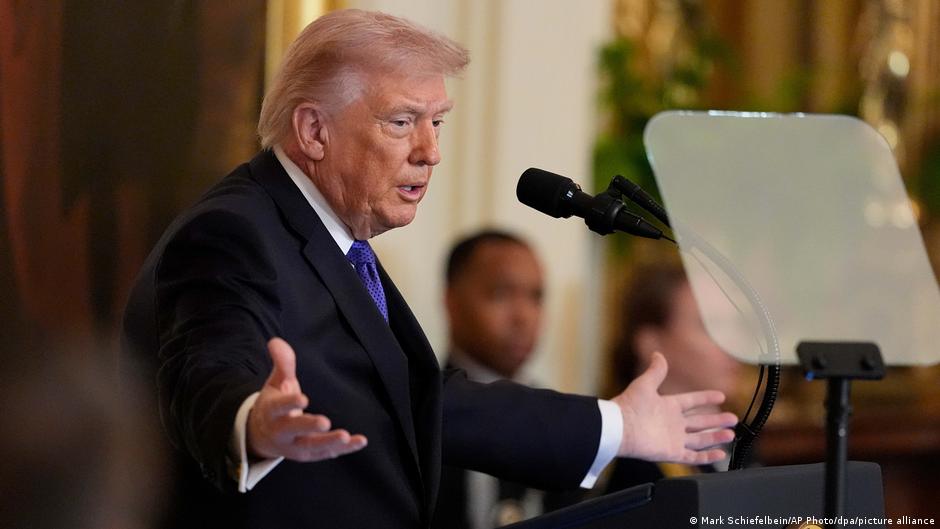
The death of Iran’s Supreme Leader Ali Khamenei has triggered a period of uncertainty as the Islamic Republic navigates a succession process amidst heightened regional tensions. While Iranian state media has reported that the clerical body responsible for selecting his replacement has already voted, the identity of the next Supreme Leader remains undisclosed. This transition occurs against a backdrop of escalating conflict and external pressures, including recent joint attacks by the United States and Israel, and pronouncements from former U.S. President Donald Trump regarding the need for American approval of any successor.
The passing of Ayatollah Ali Khamenei, who held the position of Supreme Leader for over three decades, marks a pivotal moment in Iranian history. He wielded immense power, overseeing all aspects of Iranian policy, both domestic and foreign. His death, following reported attacks by the U.S. And Israel, has sent shockwaves through the region and beyond, raising questions about the stability of the Iranian government and the future trajectory of its nuclear program and regional alliances. The succession process is closely watched internationally, with implications for global security and geopolitical dynamics.
Succession Process and Internal Dynamics
According to Iranian state media, the Assembly of Experts, a body of 88 clerics responsible for choosing the Supreme Leader, has completed its initial vote. The exact details of the deliberations and the potential candidates remain shrouded in secrecy, reflecting the highly sensitive nature of the process. The Assembly is expected to announce its decision in the coming days. The selection process is not simply a matter of popularity; it requires a deep understanding of Islamic jurisprudence, political acumen, and the ability to navigate the complex internal power struggles within the Iranian regime.
The Iranian constitution outlines the qualifications for the Supreme Leader, requiring the individual to be a Mujtahid – a high-ranking Islamic cleric – and possess qualities of piety, intelligence, and political leadership. The Assembly of Experts will likely consider several factors, including the candidate’s ideological alignment, their standing within the clerical establishment, and their ability to maintain the stability of the regime. Potential candidates are often speculated upon, but the process is deliberately opaque to prevent external interference and maintain control within the ruling elite. The current political climate, marked by economic hardship and social unrest, adds another layer of complexity to the selection process.
Trump’s Intervention and U.S. Policy
Former U.S. President Donald Trump has publicly stated that the next Supreme Leader of Iran “will not last long” without U.S. Approval. Speaking to ABC News, Trump asserted that any successor would “have to obtain our approval,” signaling a continued hardline stance towards Iran. This statement reflects Trump’s long-held skepticism of the Iranian regime and his commitment to exerting maximum pressure on Tehran. Revista Merca2.0 reported on Trump’s comments via Truth Social.
Trump’s remarks are particularly noteworthy given the recent escalation of tensions between the U.S. And Iran, including the reported joint attacks with Israel. During his presidency, Trump withdrew the United States from the Joint Comprehensive Plan of Action (JCPOA), commonly known as the Iran nuclear deal, and imposed crippling sanctions on the Iranian economy. His administration adopted a policy of “maximum pressure” aimed at forcing Iran to renegotiate a more comprehensive agreement that would address concerns about its nuclear program, ballistic missile development, and regional activities. The current Biden administration has sought to revive the JCPOA, but negotiations have stalled amid disagreements over sanctions relief and guarantees.
International Reactions and Regional Implications
The death of Ayatollah Khamenei and the ensuing succession process have drawn reactions from across the globe. Many countries have expressed concern about the potential for instability in the region and have called for a peaceful and orderly transition of power. Regional powers, including Saudi Arabia and Israel, are closely monitoring the situation, assessing the potential implications for their own security and interests. The relationship between Iran and these countries is already fraught with tension, and the change in leadership could further exacerbate these rivalries.
Israel has long viewed Iran as a major threat, citing its support for militant groups in the region and its pursuit of nuclear weapons. The reported joint attacks with the U.S. Suggest a heightened level of coordination between the two countries in confronting Iran’s perceived aggression. Saudi Arabia, a key U.S. Ally in the Middle East, has too been critical of Iran’s regional policies and has engaged in a proxy conflict with Iran in Yemen. The succession process in Iran could influence the dynamics of these regional conflicts and potentially open up modern avenues for dialogue or escalation.
Iran’s Response and Internal Challenges
Iranian officials have rejected any external interference in the succession process, asserting that the choice of the next Supreme Leader is an internal matter. Foreign Minister Abbas Aragchi stated that the Iranian people are the ones who should choose their new leader, emphasizing the principle of national sovereignty. Atalayar reported on the initial fallout and Iranian responses.
However, Iran faces significant internal challenges that could complicate the transition. The country’s economy has been struggling under the weight of U.S. Sanctions, leading to high inflation, unemployment, and social unrest. Widespread protests have erupted in recent years, fueled by economic grievances and demands for greater political freedoms. The new Supreme Leader will need to address these challenges and restore public trust in the government. The ability to navigate these internal pressures will be crucial for maintaining stability and preventing further unrest.
The Future of Iran’s Nuclear Program
The future of Iran’s nuclear program remains a major concern for the international community. Iran has maintained that its nuclear program is for peaceful purposes, but Western powers suspect that it is seeking to develop nuclear weapons. The JCPOA was designed to prevent Iran from acquiring a nuclear weapon by imposing restrictions on its uranium enrichment activities and allowing for international inspections. However, since the U.S. Withdrawal from the agreement, Iran has gradually rolled back its commitments and has resumed enriching uranium to higher levels.
The selection of a new Supreme Leader could have a significant impact on Iran’s nuclear policy. A hardline leader might be more inclined to pursue a nuclear weapon, while a more pragmatic leader might be willing to negotiate a new agreement with the West. The outcome of the succession process will be closely watched by the international community, as it could determine whether Iran continues down the path of nuclear proliferation or returns to the negotiating table. The potential for miscalculation and escalation remains high, making it imperative for all parties to exercise restraint and engage in constructive dialogue.
As Iran navigates this period of transition, the international community will be closely monitoring developments and assessing the implications for regional stability and global security. The coming weeks and months will be critical in shaping the future of Iran and its role in the world. The next confirmed checkpoint will be the announcement of the new Supreme Leader by the Assembly of Experts, a decision that will undoubtedly reverberate throughout the Middle East and beyond. We encourage readers to share their thoughts and perspectives on this evolving situation in the comments below.
Keep reading