
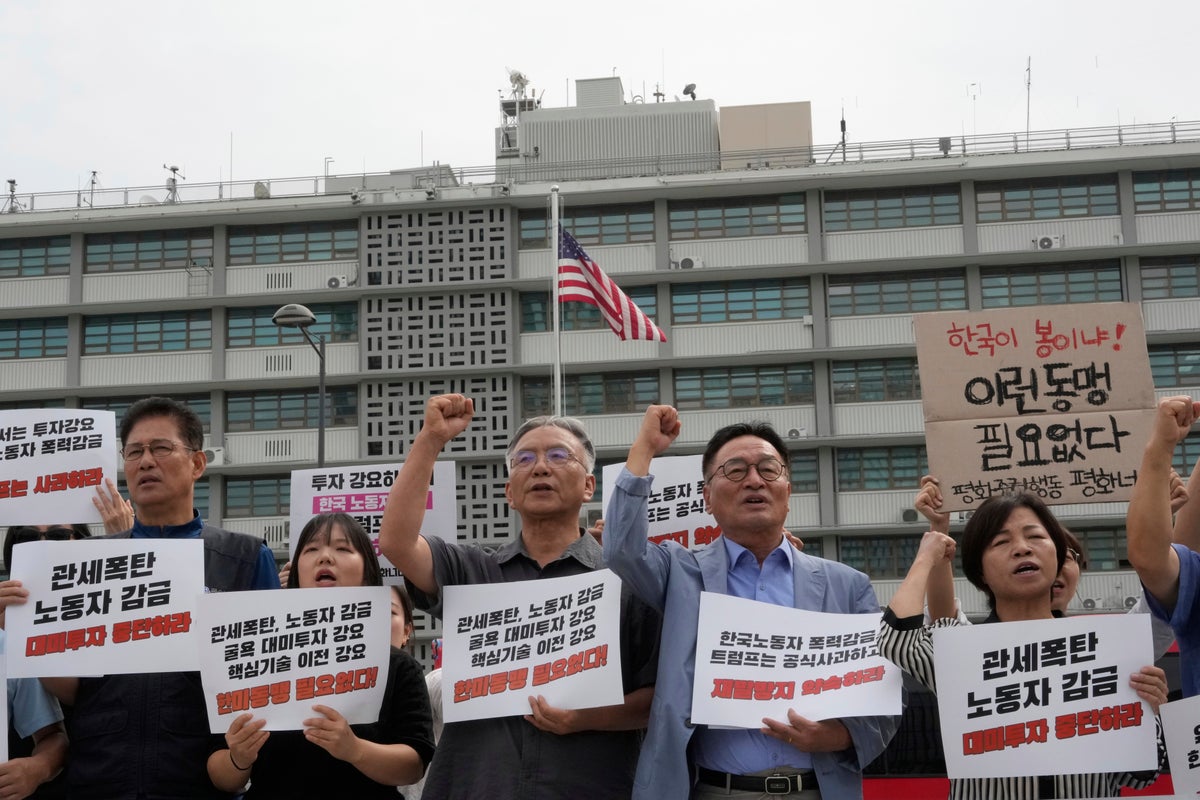
U.S.-South Korea Investment Strained by Georgia Factory Worker Arrests: A Complex Challenge for the Trump Administration
Recent arrests of South Korean workers at a Hyundai Motor Group facility in Georgia have sparked diplomatic tensions and raised concerns about the future of foreign investment in the United States.The incident, involving allegations of unauthorized overtime and potential labor violations, has quickly escalated into a significant issue for the trump administration, threatening to derail billions of dollars in planned economic development. Let’s break down what happened, why it matters, and what solutions are being proposed.
What Happened in Georgia?
In early September 2025, U.S. authorities detained over 50 South Korean technicians and engineers working at the Hyundai electric vehicle battery cell plant under construction in Bryan County, Georgia. the arrests centered around accusations that the workers were performing tasks outside the scope of thier visas and perhaps violating labor laws related to overtime pay. While the exact details remain under inquiry, the incident instantly drew criticism from Seoul and prompted a swift response from Washington.
why This Matters: The Stakes are High
This isn’t simply a labor dispute. It’s a potential roadblock to a cornerstone of the Trump administration‘s economic strategy: attracting significant foreign investment, notably in key manufacturing sectors.
* Billions at Risk: The Georgia factory represents a multi-billion dollar investment from South Korean firms, crucial for bolstering U.S. manufacturing capacity in a strategically critically importent industry - electric vehicle batteries.
* Ripple Effect: The incident could discourage other foreign companies from investing in the U.S., fearing similar complications with visa regulations and labor enforcement. This is especially concerning given the administration’s push to onshore production of semiconductors, ships, and other critical goods.
* Geopolitical Implications: Strong economic ties with South Korea are vital for U.S. foreign policy in the Indo-Pacific region. A strained relationship could have broader geopolitical consequences.
Trump’s Response: Balancing Enforcement and Investment
President Trump addressed the situation directly on his Truth Social platform, offering a nuanced viewpoint. He emphasized the importance of foreign companies bringing in skilled workers temporarily to train the American workforce.
Essentially, his argument is this: foreign investment is welcome, but it must include a commitment to transferring knowledge and skills to U.S. workers.He pointed to ancient declines in U.S. manufacturing prowess – like shipbuilding – as evidence of the need to learn from international expertise.
“If we didn’t do this,” Trump stated, “all of that massive investment will never come in the first place.” He reiterated his desire to “learn from them, and do even better than them at their own ‘game.'”
Diplomatic Efforts to De-escalate
Recognizing the severity of the situation, the U.S. State Department has actively engaged with South Korean officials. Deputy Secretary of State Christopher Landau expressed “deep regret” over the arrests and proposed using the incident as an prospect to improve the visa process and strengthen bilateral relations.
Specifically, South Korean officials have requested the creation of a new visa category tailored to the needs of skilled technicians and engineers involved in large-scale foreign investment projects.Landau, via X (formerly Twitter), affirmed the U.S. commitment to facilitating legitimate foreign investment and ensuring appropriate visa access for personnel crucial to these projects. He emphasized that these workers are “CREATING American jobs and prosperity.”
Looking Ahead: potential Solutions and Systemic Improvements
the current situation highlights a critical need for clearer guidelines and more efficient processes regarding visas for skilled foreign workers involved in major investment projects. Here’s what needs to happen:
* Visa Streamlining: The U.S. government should explore creating a specialized visa category designed for technicians and engineers supporting large-scale foreign investments. This would provide a clear pathway for legal entry and work authorization.
* Enhanced Interaction: Improved communication between U.S.agencies (State Department, Department of Labor, Customs and Border Protection) and foreign companies is essential to ensure compliance with visa regulations and labor laws.
* Proactive Training Programs: Investing in robust training programs for American workers will be crucial to facilitate the knowledge transfer President Trump emphasized. This will ensure that the U.S.workforce can eventually take over these advanced manufacturing roles.
* Clear Labor Law Enforcement: While protecting worker rights is paramount, enforcement of labor laws should be conducted in a manner that doesn’t


