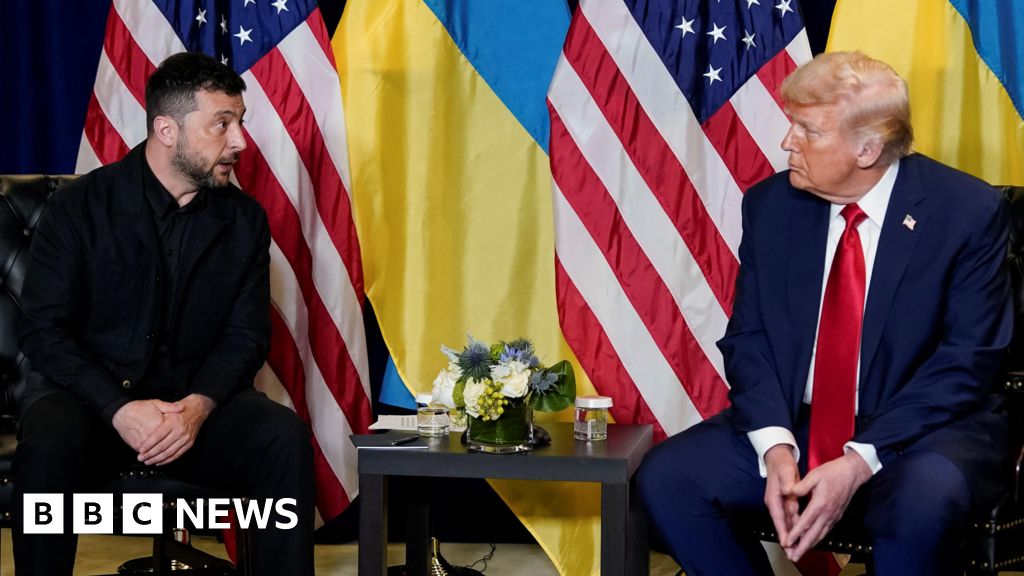
Trump Shifts Stance on Ukraine Conflict,Signaling Potential shift in Approach
Donald Trump recently posted on his social media platform,indicating a change in his previously expressed views on the conflict in Ukraine.This development marks a departure from months of commentary where he characterized the situation as overwhelmingly unfavorable for Ukraine.
Previously, Trump conveyed a pessimistic outlook on Ukraine’s prospects. He suggested limitations in his ability to assist, given the disparity in size and population between the warring nations. This shift raises questions about his evolving strategy and potential implications for future U.S. involvement.
A history of Shifting Positions
Throughout the year, Trump’s statements regarding Ukraine have demonstrated a degree of fluctuation. Here’s a look at key moments:
* February: During a conversation with the Ukrainian President, Trump stated he lacked the necessary resources to secure a victory for Ukraine in a prolonged conflict.
* August: Before engaging with the Russian President, Trump indicated a willingness to negotiate territorial concessions for Ukraine.He alluded to potential “swapping” of land as part of any agreement.
* Proposed Concessions: Reports surfaced suggesting Trump considered urging Ukraine to cede control of the Donetsk and Luhansk regions to Russia. This proposal mirrored suggestions made by the Russian President.
* Unfulfilled Threats: Trump repeatedly threatened harsher measures against Russia, but failed to implement any sanctions despite unmet deadlines.
This pattern of shifting positions underscores a hallmark of Trump’s foreign policy: unpredictability. You might see this as an attempt to reinvigorate stalled peace negotiations, which have remained largely stagnant for over a month following a summit with the Russian President.
A Nuance in Continued Arms Sales
Perhaps the most noteworthy aspect of Trump’s recent post is his assurance of continued arms sales to NATO allies. These allies, in turn, could possibly transfer those weapons to ukraine.
While not mirroring the open-ended commitment to the war effort provided by the current governance, this stance represents a departure from earlier signals. It suggests a willingness to support Ukraine’s defense, albeit indirectly, through established alliances.
What This Means for You
This evolving stance from Trump has meaningful implications for the future of the conflict. It signals a potential willingness to engage in a more nuanced approach, balancing support for Ukraine with a desire to avoid direct confrontation.
As the situation continues to unfold, it’s crucial to stay informed and understand the complexities of the geopolitical landscape. You can expect further developments as negotiations progress and the international community seeks a path toward a lasting resolution.
Image Analysis: A map illustrates the current territorial control in Ukraine as of September 23rd. Regions under Russian military control are shaded red, areas with limited control are marked with red stripes, and claimed control is indicated by yellow shading. The regions of luhansk, Donetsk, Zaporizhzhia, and Kherson are prominently featured, with Crimea also identified as being under Russian control. Major cities like Kyiv, Kharkiv, and Odesa are labeled for reference. The source of this data is the Institute for the Study of War (ISW).
Worth a look