
Decoding Trump’s Claim: Does Russia truly Want Ukraine too succeed?
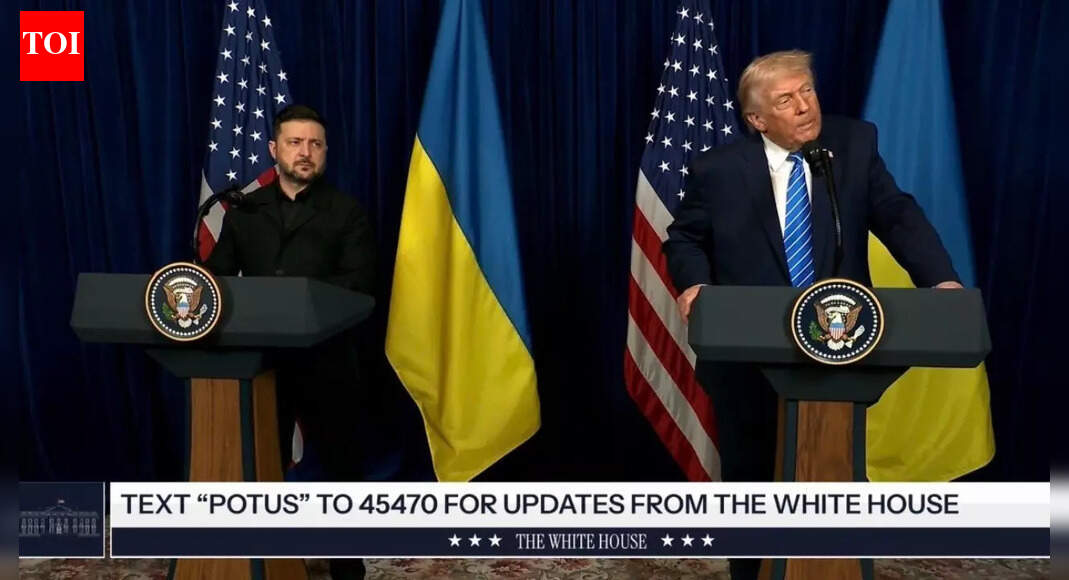
The geopolitical landscape shifted subtly this past weekend when former U.S. President Donald Trump asserted that Russia desires Ukraine’s success.This statement, made following a meeting with Ukrainian President Volodymyr Zelenskyy at Mar-a-Lago, sparked visible surprise – even laughter – from Zelenskyy himself. But what’s behind this claim? And what does it signify for the ongoing conflict and potential peace negotiations?
This article dives deep into the complexities of this assertion, examining the past context, current realities, and potential motivations behind Trump’s statement. We’ll explore the nuances of Russia’s relationship with Ukraine, dissect the implications for peace talks, and provide a clear understanding of this surprising progress.
The Unexpected Statement & Initial Reactions
During a press conference following the meeting, Trump stated that Russian President Vladimir Putin expressed “very generous” feelings toward Ukraine’s success. He specifically mentioned potential Russian support in providing Ukraine with energy resources at discounted prices. this claim immediately drew attention, particularly given the ongoing war and Russia’s widely perceived aims in Ukraine.
Videos circulating on social media captured Zelenskyy’s reaction: a moment of stunned silence followed by a noticeable laugh. This reaction underscores the inherent skepticism surrounding Trump’s assertion, given the history of conflict and aggression.
Understanding Russia’s Interests in Ukraine: A Complex History
To understand the potential validity of Trump’s claim, it’s crucial to acknowledge the intricate and often contradictory nature of Russia’s interests in Ukraine. While Russia’s military actions clearly demonstrate a desire to control Ukrainian territory and influence its political alignment, a completely destabilized Ukraine doesn’t necessarily serve Russia’s long-term interests. Here’s a breakdown of key factors:
* Economic Ties: Historically, ukraine has been a vital transit route for Russian energy exports to Europe. A functioning, albeit independent, Ukraine is essential for maintaining these crucial economic links.
* Geopolitical Buffer: Ukraine serves as a buffer zone between Russia and NATO. A neutral Ukraine, even if aligned with Western values, is preferable to a Ukraine firmly within the NATO alliance.
* Russian-Speaking Population: A meaningful Russian-speaking population resides in Ukraine, particularly in the eastern regions. Russia has consistently framed its actions as protecting these communities.
* Regional Influence: Russia aims to maintain its influence in its near abroad - the countries bordering Russia. A prosperous, independent Ukraine that actively resists Russian influence challenges this goal.
Thus, while Russia’s actions suggest a desire for control, a completely collapsed Ukraine would create significant economic and security challenges for Russia itself.
Could Russia Benefit from a “Successful” ukraine?
Trump’s suggestion that Russia wants Ukraine to succeed, while surprising, isn’t entirely without logic. A stable, functioning Ukraine – even one leaning towards the West – could offer several benefits to Russia:
* Reduced Instability: A peaceful Ukraine reduces the risk of spillover effects, such as refugee flows and cross-border conflicts.
* Continued Economic Links: A functioning Ukrainian economy allows for continued trade and energy transit, benefiting both countries.
* Reduced Western Pressure: A resolution to the conflict could ease international sanctions and reduce geopolitical tensions.
* Demonstration of Influence: Facilitating a peaceful outcome could portray Russia as a responsible international actor.
However, the definition of “success” is critical. Russia’s vision of a successful Ukraine likely differs substantially from Ukraine’s own aspirations. It likely involves guarantees of neutrality, protection of Russian-speaking populations, and continued economic ties favorable to Russia.
The Peace Talk Context: what’s Really Happening?
Trump’s meeting with Zelenskyy focused on potential peace negotiations. While details remain scarce, it’s clear that both sides are exploring avenues for de-escalation. Trump’s statement could be interpreted as an attempt to:
* Signal Potential Compromise: suggesting Russia’s willingness to support Ukraine’s success could create a more positive atmosphere for negotiations.
* Highlight His Role as Mediator: Positioning himself as a facilitator of peace talks enhances Trump’s political standing.
* Reflect Facts Shared During the Meeting: It’s possible Trump relayed information shared by Putin during previous conversations.
Though, it’s vital to remain cautious. The reality on the ground remains grim, and significant obstacles to a lasting peace agreement persist. The core issues of territorial integrity,


