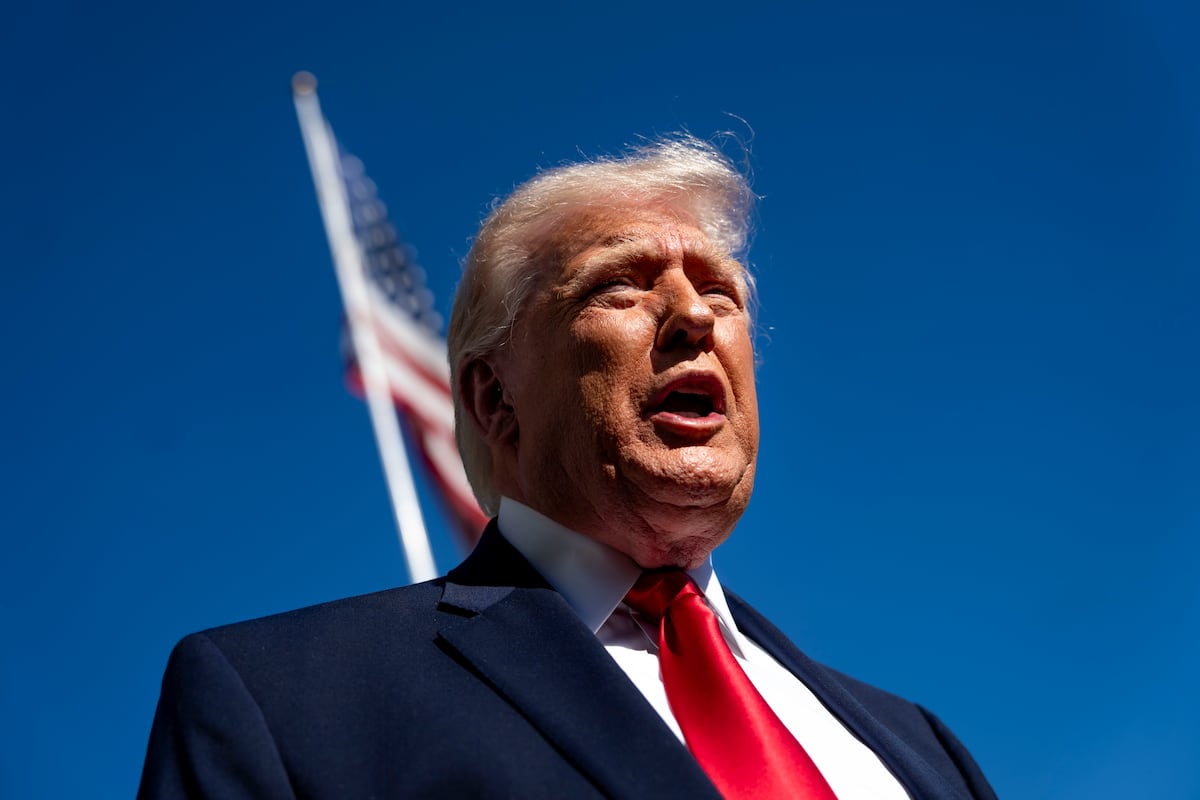
The geopolitical landscape of the Middle East has reached a critical juncture as the United States maintains a posture of total victory following a devastating military campaign against Iran. President Donald Trump has asserted that the Iranian military is effectively dismantled, claiming that the nation’s naval and air forces “already do not exist” and that its leadership has been eliminated.
Central to the current tension is the status of the Strait of Hormuz, a vital maritime artery. While the U.S. Administration has expressed a desire to reopen the strait “exceptionally quickly,” the path to normalization remains fraught. President Trump has categorically rejected any attempt by Tehran to impose transit fees on the waterway, designating it as international waters and insisting that the U.S. Will not allow such tolls to be collected.
These developments follow the initiation of high-level peace negotiations in Islamabad, Pakistan, on Saturday, April 11, 2026. This diplomatic effort represents the first face-to-face contact of such seniority between the two nations since the 1979 Islamic Revolution, featuring U.S. Vice President J.D. Vance and the Speaker of the Iranian Parliament, Mohamad Baqer Qalibaf verified via El Diario.
Despite the diplomatic talks, the White House remains uncompromising on its primary strategic objective: ensuring that Iran never acquires a nuclear weapon. President Trump has described this goal as “the 99% of what we are looking for” in any potential agreement, emphasizing that a nuclear-armed Iran is a non-negotiable red line verified via Infobae.
The Military State of Iran and the ‘Victory’ Claim
President Trump has repeatedly messaged that the United States has already won the conflict, regardless of whether the current negotiations in Pakistan result in a formal peace treaty. Speaking from the White House, the president claimed that the U.S. Successfully defeated Iran’s navy, air force, anti-aircraft defenses, and radar systems verified via El Diario.
The administration’s narrative suggests a total collapse of the Iranian military infrastructure. Trump stated that “all their leaders are dead,” asserting that the regime change he sought—though not an initial objective—has effectively already occurred verified via Infobae. This assessment of “military defeat” serves as the foundation for the U.S. Position in the ongoing peace talks.
The conflict, which began on February 28, has seen the U.S. Move from a strategy of containment to one of active regime disruption. The president has signaled that if negotiations do not yield the desired results, the U.S. Is prepared to escalate further, noting that “we are loading the ships with the best weapons” for potential new attacks verified via El Diario.
The Battle for the Strait of Hormuz
The Strait of Hormuz has develop into the primary flashpoint in the aftermath of the military strikes. Iran had previously blocked the strait in retaliation for U.S. And Iranian attacks. The U.S. Now seeks to reopen this corridor, not necessarily for its own immediate transit needs—as Trump noted that “other countries use the strait”—but to ensure global maritime stability and prevent Iranian control over the passage verified via El Diario.
A major point of contention is the issue of maritime tolls. The Trump administration has explicitly stated that it will not permit Iran to charge a fee for vessels crossing the strait. Trump’s position is that the strait consists of international waters and that any attempt to impose a “tax” or “toll” will be blocked by the United States verified via Infobae.
The president has expressed confidence that the opening of the strait will occur “very soon,” regardless of whether Iran cooperates. This suggests a willingness to use naval force to guarantee the freedom of navigation in the region.
Diplomatic Stakes in Islamabad
The negotiations in Pakistan mark a historic shift in diplomatic engagement, as it is the highest level of direct contact between Washington and Tehran since 1979. The presence of Vice President J.D. Vance indicates the administration’s commitment to finalizing the terms of the conflict’s end, provided those terms align with U.S. Security requirements.
The core of the U.S. Demand is the permanent prevention of an Iranian nuclear weapon. Trump has emphasized that a “good deal” is one where Iran is stripped of any nuclear weapons capability, stating this is “the first objective” and represents the vast majority of the U.S. Negotiating position verified via Infobae.
Yet, the president has also displayed a level of indifference toward the actual signing of a treaty. He stated that he “does not care” if an agreement is reached, because from the American perspective, the victory is already secured. This posture places immense pressure on the Iranian delegation, as the U.S. Perceives itself as negotiating from a position of absolute strength.
Key Takeaways of the Current Crisis
- Primary U.S. Goal: Total prevention of Iranian nuclear weapons capability.
- Military Status: President Trump claims Iran’s air and naval forces are destroyed and its leaders are dead.
- Maritime Conflict: The U.S. Refuses to allow Iran to charge tolls in the Strait of Hormuz, citing international water status.
- Diplomatic Effort: High-level talks are occurring in Islamabad between J.D. Vance and Mohamad Baqer Qalibaf.
- Conflict Timeline: The war began on February 28, 2026.
Regional Implications and Future Outlook
The conflict has extended beyond the immediate bilateral struggle. President Trump has issued warnings to other global powers, specifically China, stating that Beijing will face “big problems” if it attempts to send weapons to Iran verified via El Diario. This indicates that the U.S. Is treating the Iranian situation as a broader test of geopolitical influence and deterrence.
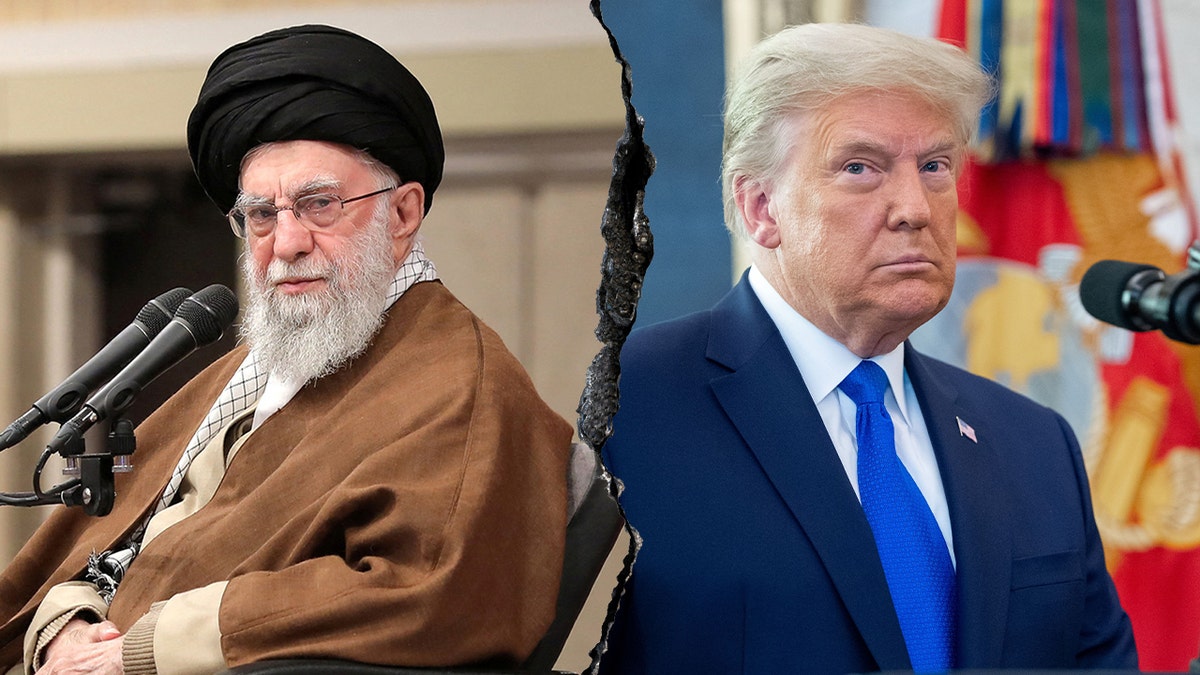
The internal dynamics of the U.S. Approach are also being scrutinized. Reports indicate that the path to war was part of a broader strategy of regime change, though the administration maintains that such a change was an outcome rather than an initial goal verified via Infobae.
As the talks in Islamabad continue, the world watches to see if a formal agreement can be reached or if the U.S. Will proceed with its plan to unilaterally reopen the Strait of Hormuz and potentially launch further strikes to cement its victory. The administration has stated it does not require a “backup plan” because it believes the objective has already been achieved.
The next confirmed checkpoint is the conclusion of the current round of negotiations in Islamabad. Official updates from the White House and the Iranian delegation are expected as the talks progress.
World Today Journal encourages readers to share this report and leave their comments below regarding the implications of these developments on global energy markets and regional stability.