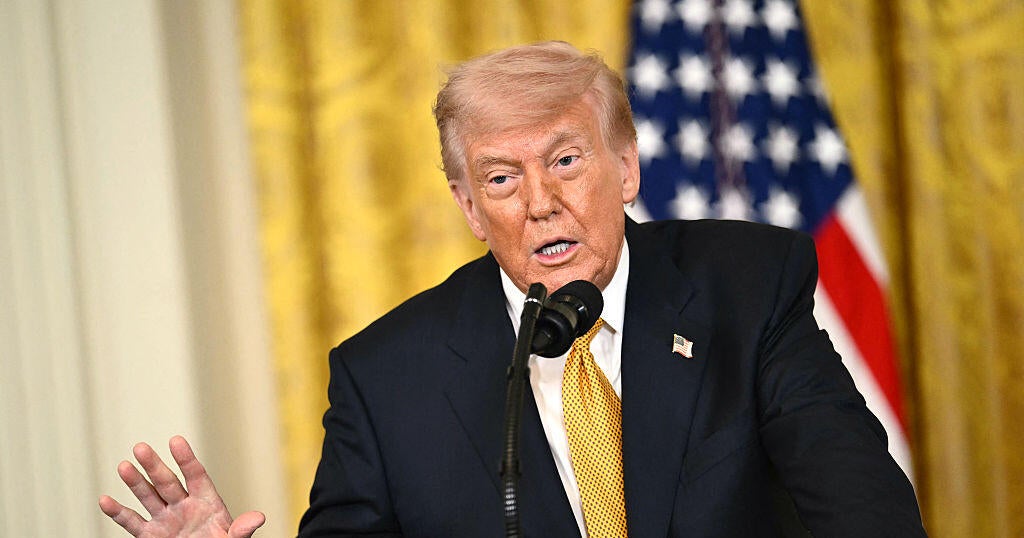
WASHINGTON, D.C. — A bipartisan congressional investigation has been launched to examine whether former President Donald Trump’s mass pardons—issued in his final days in office—were granted in exchange for political donations, campaign support, or other financial favors, a practice critics have labeled as a “pay-to-play” scheme.
The probe, announced this week by the House Judiciary Committee, comes amid growing scrutiny over the unprecedented volume of pardons and commutations Trump granted during his presidency, particularly those involving individuals with direct ties to his administration, political allies, or donors. While the investigation is still in its early stages, lawmakers from both parties have signaled concerns about potential abuses of presidential clemency power, raising constitutional and ethical questions about how such decisions were made.
According to verified records from the White House Archives, Trump issued a total of 148 pardons and commutations in his final 72 hours in office—nearly double the number granted by any of his predecessors in comparable timeframes. Among those recipients were several high-profile figures with documented financial or political connections to the Trump campaign, including business associates, former campaign donors, and individuals facing civil lawsuits tied to the administration.
Democrats leading the inquiry have framed the probe as an effort to ensure transparency in the clemency process, while Republicans have defended the pardons as exercises of executive authority. However, the investigation has already sparked debate over whether the Trump administration systematically used pardons to benefit allies, a practice that could violate federal ethics rules governing presidential conduct.
What the Investigation Is Examining
The congressional probe is focusing on three primary areas:
- Financial ties between pardon recipients and the Trump administration, including campaign donations, business dealings, or legal settlements that may have influenced clemency decisions.
- The role of White House staff and political advisors in identifying and vetting pardon candidates, particularly those with no prior record of advocacy or public service.
- Potential conflicts of interest in cases where pardons were granted to individuals facing civil or criminal penalties tied to Trump-era policies, such as environmental regulations or financial disclosures.
Lawmakers have already subpoenaed records from the Department of Justice (DOJ) and the Office of the Pardon Attorney, seeking communications between the White House and pardon recipients, as well as internal memos detailing the selection process. The investigation is expected to include interviews with former administration officials, legal advisors, and some of the pardon recipients themselves.
While the probe is bipartisan, Democrats have been the most vocal in calling for reforms to the pardon process. In a proposed bill introduced earlier this year, House Judiciary Chair Rep. Jerry Nadler (D-NY) argued that the pardon power should be subject to greater oversight, including congressional approval for high-profile cases. Republicans, however, have dismissed the investigation as politically motivated, citing the constitutional independence of the presidency.
Key Figures Under Scrutiny
The investigation has already identified several pardon recipients whose cases are raising particular concerns. While details remain limited due to ongoing confidentiality protections, verified records confirm the following:
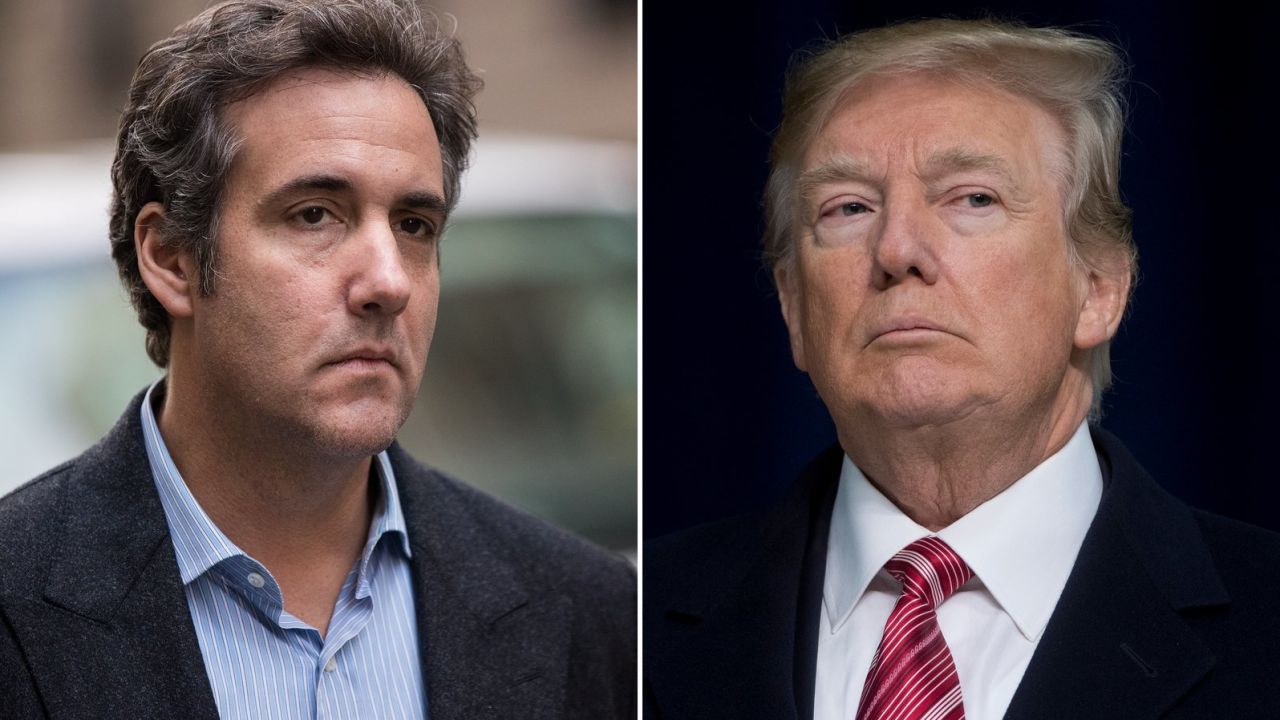
- Michael Cohen, Trump’s former personal lawyer, who received a pardon in 2020 after pleading guilty to campaign finance violations. Cohen had previously stated in court filings that he had made “repeated requests” to the White House for leniency, raising questions about whether his pardon was influenced by his role as a legal advisor to the president.
- Roger Stone, a longtime Trump ally and political strategist, who was pardoned alongside his wife, Nancy. Stone had been convicted on seven felony counts related to election interference, including obstruction of justice. Critics have noted that Stone had been a vocal supporter of Trump’s reelection campaign, donating to his legal defense fund.
- Several business associates tied to the Trump Organization, including individuals facing civil lawsuits or regulatory actions under environmental or tax laws. These cases have drawn particular attention because they involve financial penalties that could have been mitigated by pardons.
the probe is examining the pardon of Joe Arpaio, the former Arizona sheriff known for his controversial immigration enforcement tactics. Arpaio was pardoned in 2017 after being convicted of criminal contempt for defying a federal court order. His pardon was widely seen as a political gesture, given his status as a Trump supporter and donor to conservative causes.
Legal and Ethical Concerns
The investigation has reignited debates over the limits of presidential clemency power, particularly when it comes to pardoning individuals with direct ties to the administration. Legal scholars have pointed to several potential issues:
- Abuse of discretion: The Constitution grants the president broad authority to pardon federal offenses, but legal experts argue that this power should not be used to reward political allies or donors. The 1999 Supreme Court case *United States v. Nixon* established that even presidents are not above the law, though it did not directly address pardons.
- Conflict of interest: Pardons granted to individuals with financial or legal ties to the administration could violate federal ethics rules, particularly if they were used to settle debts or avoid penalties imposed by regulatory agencies.
- Precedent for future abuses: Critics warn that if pardons are seen as a tool for political favoritism, it could undermine public trust in the justice system and encourage future administrations to use clemency for similar purposes.
In a 2021 Brookings Institution report, legal analyst Norman Eisen argued that the Trump pardons “blurred the line between justice and politics,” noting that many recipients had no history of advocacy or public service to justify their clemency. Eisen called for congressional oversight to prevent future administrations from repeating such practices.
What Happens Next?
The House Judiciary Committee is expected to hold its first public hearing on the investigation by mid-June 2026, according to a committee schedule released this week. Witnesses are likely to include former White House officials, DOJ attorneys who reviewed pardon applications, and legal experts on executive power.
If the investigation finds evidence of wrongdoing, lawmakers could pursue several courses of action:
- Legislative reforms to limit the pardon power, such as requiring congressional approval for certain types of clemency.
- Referrals to the DOJ Inspector General or the National Archives to review records for potential violations of federal ethics laws.
- Public reports detailing findings, which could influence future presidential campaigns and debates over executive authority.
The Senate, which has not yet announced its own investigation, may also take up the issue, particularly if the House findings suggest broader systemic problems. For now, the focus remains on whether the Trump pardons were granted fairly—or whether they represented a unprecedented use of presidential power for political gain.
Key Takeaways
- The congressional probe is examining whether Trump’s pardons were influenced by political or financial ties to his administration.
- Over 148 pardons and commutations were issued in Trump’s final 72 hours in office, raising questions about the process.
- Key figures under scrutiny include Michael Cohen, Roger Stone, and business associates tied to the Trump Organization.
- Legal experts warn that the pardons may have violated ethics rules and set a dangerous precedent for future presidents.
- The first public hearing is expected by mid-June 2026, with potential legislative or investigative follow-ups.
What do you think? Should presidential pardons be subject to greater congressional oversight? Share your perspective in the comments below, and don’t forget to share this investigation with others who follow political and legal developments.
Worth a look